Contax is a historic camera name associated with several different systems, not one particular camera or lens mount. If you are looking for a film camera today, start with the kind of photography you want to do and the condition of the individual body. The name can point you toward lovely equipment, but it cannot guarantee a good purchase.
For a compact 35mm system with autofocus, look at the Contax G1 or G2. For a manual-focus single-lens reflex camera, or SLR, consider the Contax 139 Quartz or RTS line. For larger medium-format negatives and portrait work, the Contax 645 is a different proposition altogether: bigger, more specialized, and worth investigating carefully before you commit. None is automatically the right choice for a beginner.
What makes the systems different?
The Contax name dates to the 1930s, when it appeared on German rangefinder cameras. Later, the name was used on cameras made in Japan, including models associated with Kyocera and lenses carrying the Carl Zeiss name. That history is interesting, but the practical point is simpler: cameras from different eras and families are not necessarily compatible.
A 35mm camera uses widely available 35mm film cartridges and produces relatively small negatives. Medium-format film uses larger frames, which can hold more detail when everything else is done well. The trade-off is a larger camera, fewer exposures per roll, and usually greater film and processing costs.
An SLR lets you view the scene through the taking lens using a mirror. A rangefinder-style camera has a separate viewing window, so the view is not exactly what the lens sees. That distinction matters most when composing close subjects or using different focal lengths: check how a particular viewfinder handles framing before buying.
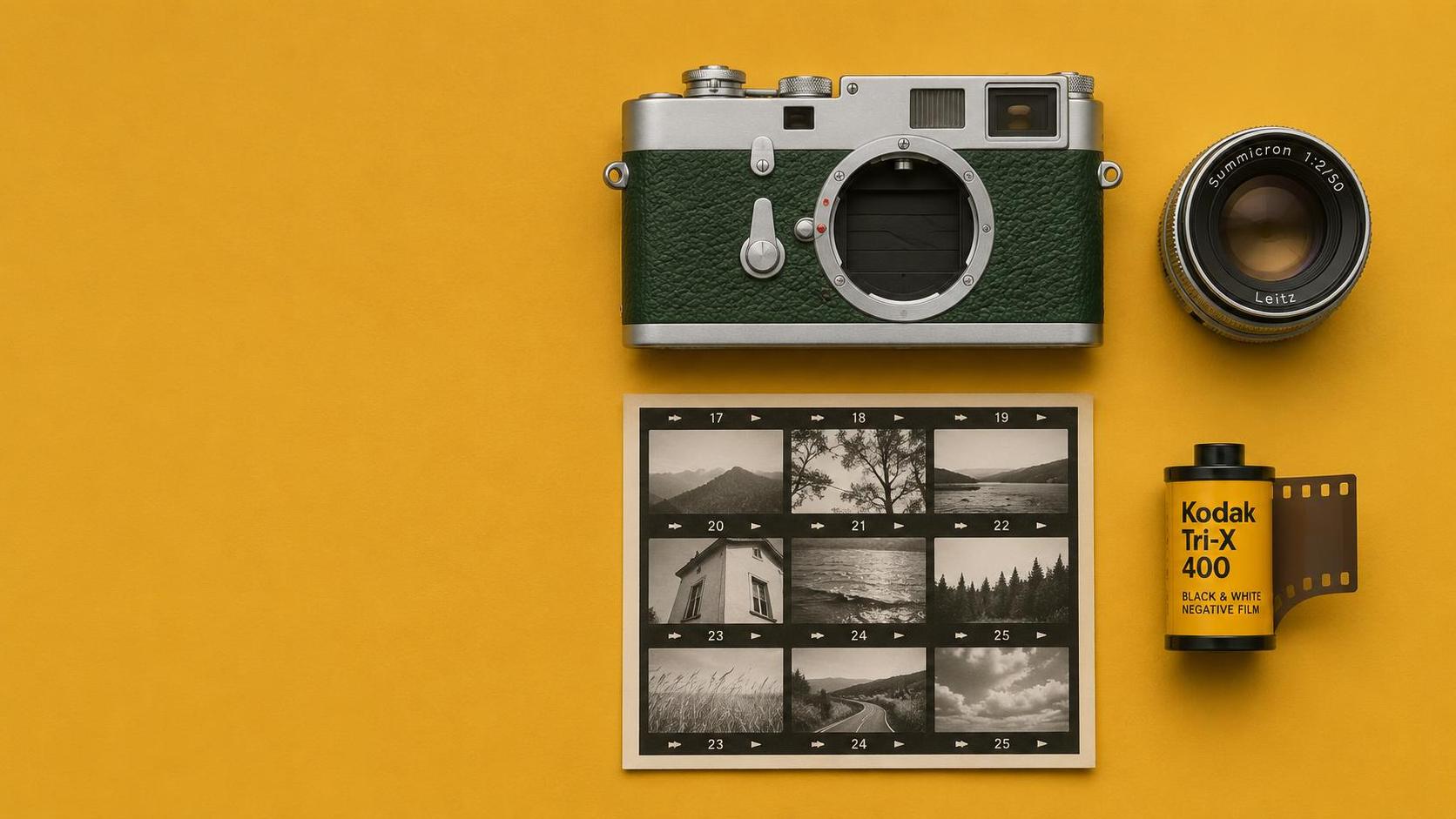
Choosing a Contax camera for your photography
The G1 and G2 are 35mm autofocus cameras with interchangeable lenses and separate viewfinders. They suit someone who wants a relatively compact film system and is comfortable letting the camera handle focusing. They are not manual-focus SLRs, though, and their G-mount lenses are not directly interchangeable with the lenses for the SLR line. If precise focus placement is important to you, read the manual and make sure the focusing controls make sense for how you shoot.
The Contax 139 Quartz and RTS family use the Contax/Yashica, or C/Y, lens mount. They are better starting points for a photographer who wants to focus manually and see through the lens. Models within the family differ in controls and operation, so compare the specific body rather than assuming every SLR handles the same way. Check which lenses and accessories are included; a body alone is not a complete kit.
The Contax 645 is a medium-format SLR with interchangeable lenses. Its larger negatives can be appealing for portraits and deliberate studio work, but the system is less convenient for a casual walk than a small 35mm camera. Before choosing one, price a complete working kit, including a lens, film back, batteries, and any repair assessment. The camera's reputation is not a substitute for a service plan.
There are fixed-lens compact models, too, including the T series. These are appealing if you want a small camera without building a lens collection. The compromise is that you cannot change the lens, and an electronic or lens mechanism failure can be a serious ownership problem. Ask about repair options before paying a premium for pocketability.
Inspecting a used body and lens
With older Contax equipment, condition matters more than a glamorous listing. Ask for clear photographs of the actual item, including the battery compartment, film chamber, lens surfaces, and any damage. Confirm that the battery contacts are clean and that the camera powers on with the correct battery. A seller saying it powered on years ago is not the same as a present-day check.
Ask whether the shutter fires, the film advances, and the frame counter changes. On a camera with a built-in meter, the meter should respond when you point it from a dark area toward a bright one. That is a useful basic check, not proof that shutter speeds or exposure readings are accurate. A film-tested camera offers more evidence, especially if the seller can explain when and how it was tested.
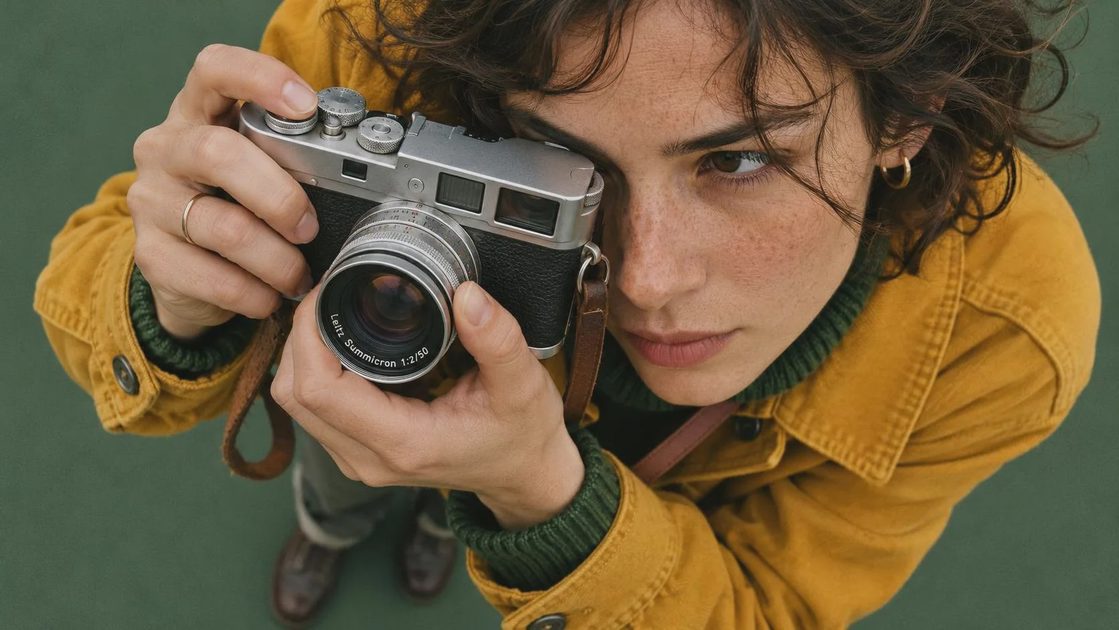
Inspect lenses for haze, fungus, deep scratches, and oil on aperture blades. Fungus can look like fine branching threads; haze can reduce contrast, particularly when light strikes the lens directly. A little internal dust is common in older lenses and is not automatically a reason to walk away. Ask for photos taken with light passing through the lens, not just reflections on the front glass.
If you cannot inspect in person, buy with a return window long enough to examine the camera and, ideally, run a roll through it. Confirm who pays return shipping and whether an untested item is sold as-is. Build a possible professional inspection into your budget rather than spending every dollar on the listing.
Lenses, adapters, and the real cost of ownership
A lens mount is the physical connection between lens and camera, and its dimensions determine whether the two can work together. Contax G, C/Y, and 645 lenses belong to different systems. Check the exact mount on both pieces before buying; a familiar brand name on the lens does not establish compatibility.
Some older lenses can be adapted to digital camera bodies, but the adapter has to match both the lens mount and the digital camera mount. Depending on the combination, focusing and aperture control may be manual, and electronic features may not work. G lenses need particular attention because their focusing mechanism differs from that of a conventional manual-focus lens. Check the adapter maker's compatibility information for your exact lens and camera.
Finally, consider film, processing, scanning, batteries, and repairs alongside the purchase price. A well-kept, less celebrated camera can be a better teacher than a sought-after body with uncertain electronics. If a Contax fits your budget and the way you like to work, enjoy it. If it does not, there is no photographic rule saying you need one. The best camera is the one you understand.