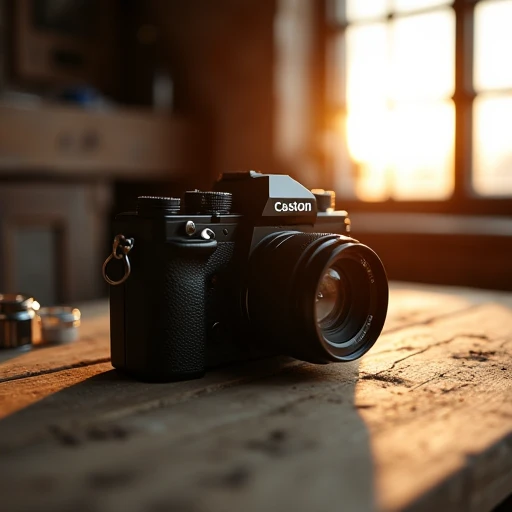
Last month I shot three weddings in a single day with one camera body. Not three separate events spread across a weekend—three ceremonies and receptions stacked into roughly ten hours of continuous work. Same body the entire time. No second shooter. No camera swap at lunch.
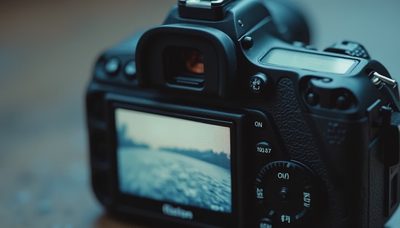
The body was Gertie, my primary. A full-frame mirrorless I’ve been using for paid work for a little over two years. I want to walk through what that day actually felt like, hour by hour, because the specification sheet never tells you how a camera behaves after the sixth hour when your hands are tired and the light is falling apart.
The setup
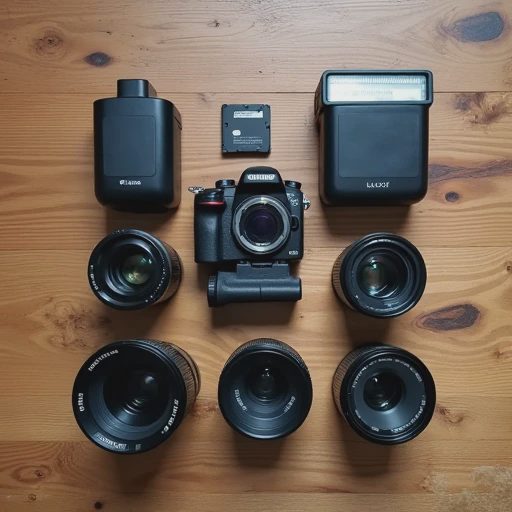
I packed light on purpose. One body, three lenses, two batteries, one spare card, and a small flash I almost never used. The goal was to see how the camera held up when there was no backup plan and no time to fuss.
The schedule looked like this:
11:00 a.m. – First ceremony, outdoor, bright and contrasty
2:00 p.m. – Second ceremony, indoor chapel with mixed window light and practicals
5:30 p.m. – Third ceremony into reception, golden hour into dim reception hall
By the time the last dance ended it was past 9 p.m. Ten hours of nearly continuous shooting, walking, kneeling, and waiting.
What held up
Autofocus stayed consistent longer than I expected. Subject detection on faces and eyes worked cleanly in the outdoor light and still held reasonably well once we moved indoors. I did not have to drop into manual focus or constantly poke the screen to select a point. That reliability mattered more than any single frame rate number.
Battery life was adequate but not generous. I started the day with a full battery and swapped to the second one around the six-hour mark. The camera never died on me, but it also never made me feel like I had a large reserve. If you plan to shoot this kind of day, two batteries is the minimum; three is more comfortable.
The body itself stayed manageable in the hand. After years of testing cameras that looked elegant on a desk and felt sharp-edged after four hours, I notice weight distribution and button placement more than most people. Gertie is not the lightest camera I own, but the balance with the lenses I used kept my right hand from cramping. That small detail compounds over a long day.
What started to fray
Heat. By late afternoon the body was warm enough that I noticed it against my face when I brought it up to shoot. Not hot enough to shut down, but warm enough to remind me it was working hard. Continuous AF and high-resolution files generate heat. On a shorter job you never feel it. On a ten-hour day you do.
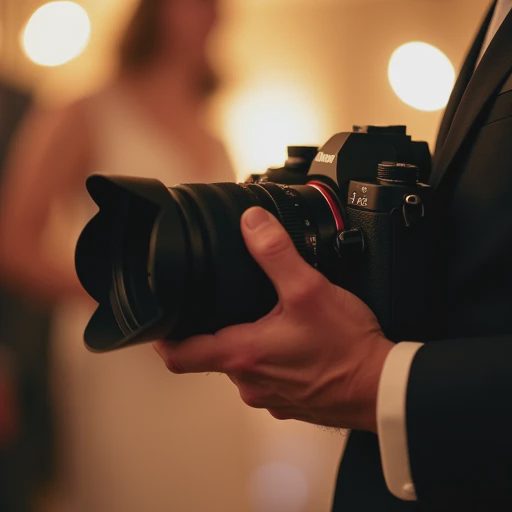
The grip texture, which feels secure when you first pick the camera up, became less pleasant once my hands were slightly damp from moving between air-conditioned rooms and outdoor heat. Minor, but noticeable.
And the files. I shot mostly compressed raw. By the end of the night I had filled most of a 128 GB card. Card write speeds never became a bottleneck, but the sheer volume of data meant a longer backup process once I got home. That is not the camera’s fault—it is simply the cost of high-resolution files over a long day.
The physical reality no one puts in the review
After ten hours my shoulders were tired, my lower back was tight, and the camera felt heavier than it had at 11 a.m. This is normal. What mattered is that the camera did not add extra friction. The buttons I needed stayed where my fingers expected them. The menu did not require me to dig. The viewfinder remained clear. Those quiet ergonomics are the difference between finishing a day still able to make clean frames and finishing a day just trying to get through it.
I turned off several features before the first ceremony: the rear screen auto-rotation, the constant histogram overlay, and the more aggressive subject-detection modes that tend to hunt in mixed lighting. I left the camera in a simple configuration I already understood. That decision saved more mental energy than any single performance specification.
What I took away
A camera can look excellent in a controlled test and still become a burden after the sixth hour. The opposite is also true: a body that is merely very good on paper can feel outstanding when it stays predictable and comfortable under real pressure.
If you shoot events, long commercial days, or anything that keeps you on your feet for most of a day, test the camera the way the work actually happens. Carry it for several hours. Shoot until the battery is low. Notice what your hands and shoulders feel like at the end. The numbers on the specification sheet will not tell you those things.
Gertie did the job. She did not make the day easy—that is not what cameras do—but she stayed out of the way. On a ten-hour day, that is one of the highest compliments I can give a piece of gear.
The best camera is still the one you understand. Understanding includes knowing how it feels when you are tired.