The camera canon rebel t3i is an older DSLR that still makes a surprisingly sensible first camera. It has enough control to teach exposure properly, a large optical viewfinder, and access to Canon's enormous EF and EF-S lens system. It is not a modern autofocus wonder, but it does not need to be one to make good photographs. If you are considering a used body, the important question is not whether newer cameras have better specifications. They do. The useful question is whether this camera gives you the controls and image quality you actually need.
What the Rebel T3i is
Canon introduced the Rebel T3i, also known as the EOS 600D, in 2011. Its 18-megapixel APS-C sensor produces files with enough resolution for prints, albums, online portfolios, and moderate cropping. APS-C describes a sensor smaller than full frame; in practical terms, it gives you a narrower view than a full-frame camera using the same lens, while keeping the body and lenses relatively affordable.
The camera canon rebel t3i includes a 3-inch vari-angle LCD. That screen flips and rotates, which is useful for low-angle landscapes, overhead details, tripod work, and video. Its optical viewfinder lets you see through the lens without the slight delay or electronic display involved with many mirrorless cameras. For learning composition, that direct view remains pleasant and informative.
The body offers manual exposure, aperture priority, shutter priority, program mode, and automatic settings. Manual exposure means you choose shutter speed and aperture yourself. Aperture priority lets you choose the lens opening while the camera selects a shutter speed. These modes are not professional badges; they are simply ways to make the camera behave predictably.
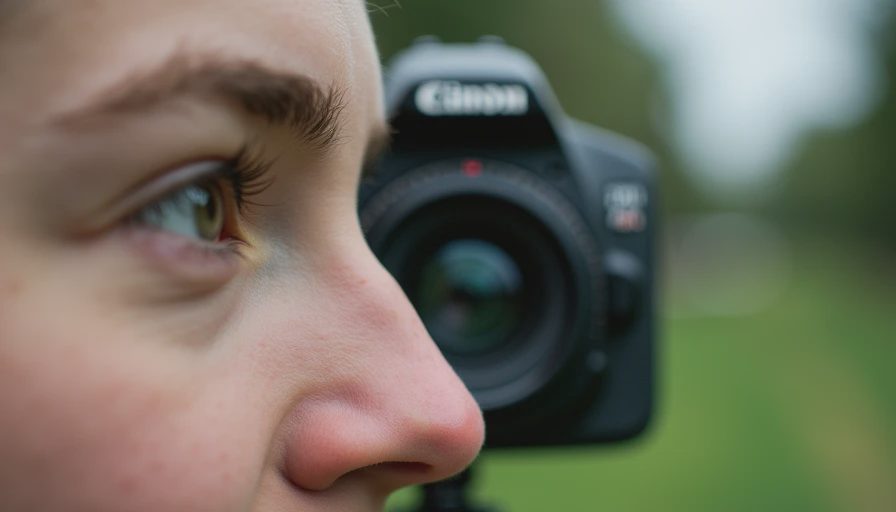
Image quality in real photographs
In good light, the camera canon rebel t3i can produce clean, detailed images that remain entirely usable today. Its sensor handles daylight, window light, travel scenes, portraits, and casual events well. The 18-megapixel files are forgiving enough for a beginner learning to crop and straighten images without immediately running out of detail.
Low-light performance is where its age becomes easier to see. The native ISO range runs from 100 to 6400, with an expanded setting available, but high ISO images become noisy sooner than those from current cameras. Noise is the fine, grain-like texture that appears when the sensor signal is amplified. A bright lens, such as Canon's inexpensive EF 50mm f/1.8 STM, can help more than simply increasing ISO. A wider aperture admits more light and can also soften a distracting background.
Dynamic range is adequate but not unlimited. Dynamic range means how much detail a sensor can retain between bright highlights and deep shadows. If you photograph a person standing in front of a bright window, the sky may wash out while the face becomes dark. Exposing carefully, using fill flash, or moving the subject away from the window will usually improve the result more effectively than buying an expensive accessory.
Autofocus, speed, and handling
The camera canon rebel t3i uses a nine-point autofocus system, with a cross-type center point that is generally the most dependable. For a stationary portrait, still life, architecture, or a casually moving subject, it works well when you place the center point over the important detail. It is less confident than a current mirrorless camera when tracking fast sports, birds, or children running directly toward you.
Continuous shooting is about 3.7 frames per second. That is enough for a short sequence of a hand gesture or a jump, but it is not a high-speed action setup. The camera also uses an older processor and a smaller buffer than modern bodies. You can still photograph movement; you simply need to anticipate the moment rather than hold the shutter button and hope.
Handling is one of this model's strengths. The grip is comfortable, physical dials are easy to understand, and the mode dial gives you a clear starting point. The camera canon rebel t3i also accepts Canon EF and EF-S lenses, so you can begin with the 18-55mm kit lens and later add a 55-250mm zoom, a 50mm prime, or a wide-angle option.

Video and the movable screen
The camera canon rebel t3i records full HD video, including 1080p options, and the movable screen makes unusual shooting angles easier. For a first camera used for family clips, tabletop demonstrations, or simple YouTube work, that flexibility is valuable. You can monitor a low camera position without lying on the ground.
Video operation is dated, however. Autofocus during recording is not comparable with modern subject-detection systems, and the built-in microphone records basic sound rather than polished production audio. Manual focus, a tripod, and an inexpensive external recorder can produce better results. Treat this DSLR as a camera that can record video, not as a current hybrid designed around video autofocus.
Battery life is generally reasonable, though used batteries can be tired after years of charging. Buy a second compatible battery from a reputable seller if you plan to travel. The camera uses SD cards, and a modestly sized, reliable card is preferable to an ancient card of unknown condition.
What to check when buying used
A camera canon rebel t3i is old enough that condition matters more than a small difference in listing price. Inspect the sensor area and mirror box without touching the mirror. Look for a clean lens mount, intact battery door, responsive buttons, and an LCD hinge that holds its position. Take a test photograph at a low ISO and another at a higher ISO. Check that the files save correctly and that the flash pops up if the seller claims it works.
Ask whether the body includes a charger, battery, body cap, and strap. Missing accessories can turn a seemingly cheap purchase into an extra $40 to $80. Used body prices often land in the rough range of $150 to $250 depending on condition, accessories, shutter use, and the seller. A complete kit with the 18-55mm lens can cost more, but it may be the easiest way to start shooting immediately.
Avoid paying a premium simply because a listing says “professional.” This model was aimed at beginners, and that is not an insult. A clean, functioning beginner body is more valuable than a supposedly lightly used camera with a damaged screen or unreliable battery compartment.
Lenses that make sense
The kit 18-55mm zoom is a practical first lens. It covers everyday scenes, portraits, food, travel, and small interiors. Learn what it can do before replacing it. If you want softer backgrounds, the EF 50mm f/1.8 STM is an affordable step forward, although its effective field of view on the APS-C sensor feels closer to a short telephoto lens than a traditional wide normal lens.
For outdoor portraits and distant subjects, the EF-S 55-250mm IS STM is a strong used-market choice. Image stabilization helps reduce blur from your own hand movement, but it cannot freeze a moving subject. That distinction is worth learning early. For landscapes and cramped rooms, look at a wider EF-S zoom instead of assuming one lens can cover every situation.
Is it still worth buying?
The camera canon rebel t3i is worth considering when the price is low, the body is clean, and your goals are still photography, basic video, and learning interchangeable-lens technique. It is less suitable for demanding sports, dependable face tracking, serious handheld video, or frequent low-light assignments.
If you already own one, do not let its age bully you into an upgrade. Spend time learning exposure compensation, autofocus-point selection, and how shutter speed affects motion. Those lessons transfer directly to a newer Canon, Sony, Nikon, or Fujifilm body later.
The best camera is the one you understand. The camera canon rebel t3i is old, but it remains understandable, capable, and inexpensive enough to make that lesson accessible.