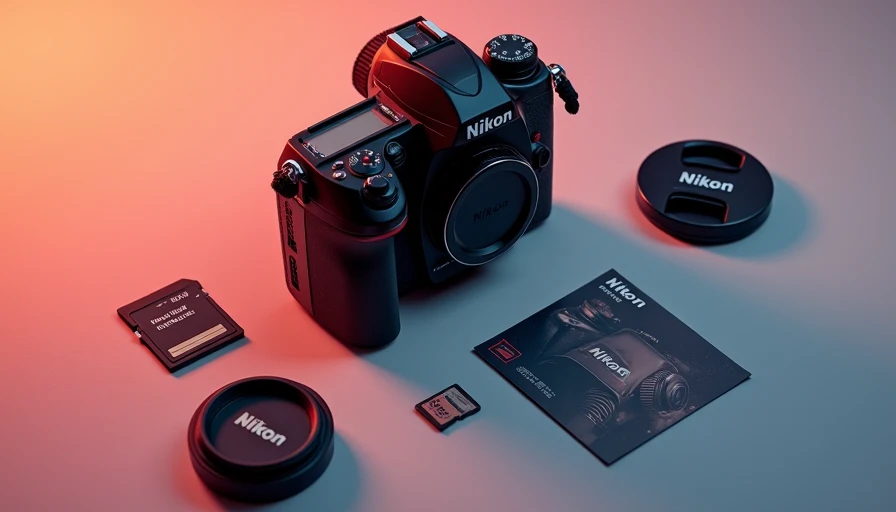
The Nikon D4S Nikon search usually comes from someone who wants to know whether an older professional DSLR can still deliver serious photographs. The short answer is yes, with important qualifications. The D4S is fast, rugged, and exceptionally comfortable for long assignments, but it is also large, heavy, and firmly tied to Nikon's older DSLR system. I have used enough pro bodies to know that specifications alone do not settle this question. The better question is whether this camera's strengths match the way you actually shoot.
What the Nikon D4S Actually Is
Released in 2014, the D4S was Nikon's flagship full-frame DSLR before the company moved more aggressively toward mirrorless cameras. It uses a 16.2-megapixel FX-format sensor, an Expeed 4 processor, and a Nikon F mount. That resolution sounds modest beside current 24- or 45-megapixel bodies, but it is plenty for editorial work, weddings, sports coverage, and prints that are not intended to cover a gallery wall.
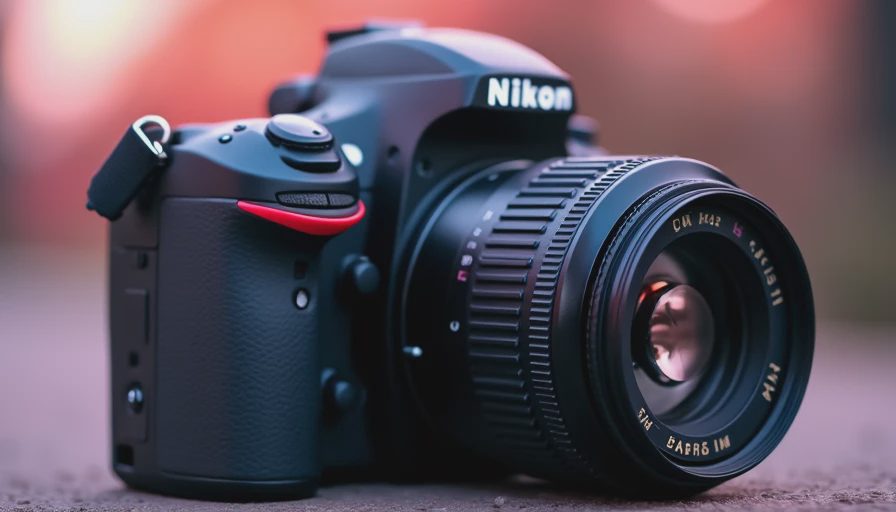
The body is built around a professional vertical grip, with a large EN-EL18a battery and duplicated controls for portrait orientation. It weighs roughly three pounds before a lens or card is added. That is not a camera I would casually carry on a day of sightseeing, but the weight gives it a planted, deliberate feel. The grip is deep, the buttons are easy to find with gloves, and the shutter response feels immediate.
If you are comparing the Nikon D4S Nikon against a newer enthusiast DSLR, remember that the D4S was designed for reliability under pressure rather than compactness. It has weather sealing, a shutter rated for a very high professional duty cycle, and two card slots: one CompactFlash slot and one XQD slot. Older storage standards are not a flaw, but they do affect your buying checklist.
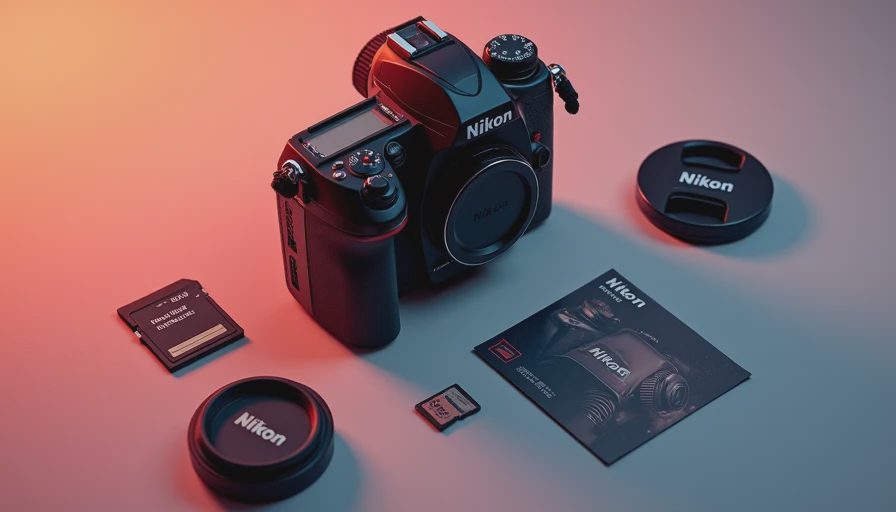
Image Quality and High-ISO Performance
The D4S produces clean, useful files in difficult light. Its 16.2-megapixel sensor gives photographs a natural rendering with good color and attractive tonal transitions. At low ISO, newer cameras can resolve more fine detail, especially when you crop heavily. At high ISO, however, the D4S remains convincing. Indoor sports, dim receptions, and backstage work are areas where its larger photosites and strong processing still make practical sense.
The native ISO range runs from 100 to 25,600, with expanded settings available above and below that range. I would not treat the highest expanded settings as normal working modes; they are emergency tools with compromised detail and color. Still, ISO 6400 and beyond can produce publishable files when exposure and subject matter cooperate.
A useful detail is the option to record 14-bit lossless compressed RAW files. RAW is the unprocessed sensor data that gives you more flexibility when adjusting exposure, highlights, and white balance. The files are not small, but the editing latitude is valuable when a fast-moving assignment gives you no time to perfect every setting.
Autofocus, Speed, and Real-World Handling
The autofocus system is one of the strongest reasons to consider a Nikon D4S Nikon body today. Nikon's Multi-CAM 3500FX system offers 51 focus points, including 15 cross-type points that are sensitive to detail in both horizontal and vertical directions. The camera can shoot at up to 11 frames per second with autofocus and exposure tracking in the right configuration.
That speed is not just a headline number. At a soccer match, it gives you a better chance of catching the instant a foot meets the ball. At a wedding, it helps with a quick embrace or a child running down an aisle. The camera also has a useful group-area AF mode, which can help when a subject is moving against a distracting background.
The D4S does not offer the sophisticated subject-recognition systems found in current mirrorless bodies. You need to place the focus area thoughtfully and understand how continuous autofocus behaves. Once set up, it is remarkably dependable, but it rewards practice rather than guesswork. The best camera is the one you understand.
Video and Everyday Limitations
The D4S records Full HD video rather than 4K. It can be useful for interviews, short clips, and controlled productions, but it is not the sensible choice if video is central to your work. There is no modern electronic viewfinder, no in-body image stabilization, and no silent live-view shooting experience comparable to a mirrorless camera.
The optical viewfinder is bright and pleasant for still photography, while the rear screen is adequate for menu work and basic composition. Live view autofocus is slow by current standards. That distinction matters if you photograph children, products, or video subjects from the rear screen instead of the viewfinder.
Size is another honest limitation. A D4S with a 24-70mm lens can become tiring during travel or a full wedding day. The large battery and integrated grip are advantages for professional handling, but they make the camera less inviting for casual use. If you already find a full-size DSLR uncomfortable, a smaller D750, D780, Z6, or Z8 may be a better physical fit.
Buying a Used Nikon D4S Nikon Body
A used Nikon D4S Nikon body can be attractive because professional cameras often become affordable after a decade of service. Prices commonly vary from several hundred dollars to around a thousand dollars depending on shutter count, condition, accessories, and seller reputation. A clean body from a camera dealer is worth paying more for than an anonymous bargain with no return period.
Inspect the rubber grips, card doors, battery compartment, hot shoe, and lens mount. Look through the viewfinder for dust or damage, then test every button and command dial. Take photographs at several shutter speeds and inspect the files for consistent exposure. Ask for the shutter count, but do not treat that number as the entire story. A carefully maintained body with substantial use can be safer than a neglected camera with a low count.
Confirm that the camera includes a genuine battery and charger. Replacement batteries can be inexpensive, but unreliable power is a poor companion on a paid assignment. Also budget for XQD cards if you want the fastest workflow, although the CompactFlash slot can be useful if you already own compatible media.
Who Should Buy It?
The Nikon D4S Nikon makes sense for a photographer who values fast autofocus, excellent high-ISO files, durable handling, and Nikon F-mount lenses. It is especially appealing for sports, events, documentary work, and any assignment where a large battery and physical controls matter more than compact travel.
It is less suitable for a beginner who wants a light everyday camera, a creator who needs modern 4K video, or someone building a new system from scratch. Mirrorless bodies offer newer autofocus behavior, quieter operation, better video tools, and often lower weight. If you already own several excellent F-mount lenses, though, adapting everything at once is not always necessary.
My practical advice is to rent or borrow one for a weekend before buying. Photograph a moving subject, carry it for several hours, transfer files, and check whether the controls feel natural. If those tests leave you comfortable, the D4S can still be a wonderfully capable workhorse. If they expose its bulk or dated live-view behavior, listen to that evidence rather than chasing its professional reputation.
For the right photographer, the Nikon D4S Nikon is not an obsolete trophy. It is a focused tool with a clear purpose: making dependable still photographs in demanding conditions. Buy it for those strengths, not because a flagship badge feels impressive. Understand the compromises, pair it with a good lens, and it can still earn its place in a working camera bag.