The Sony a6500 is an older mirrorless camera, but age alone does not decide whether a camera belongs in your bag. I have used it as a compact second body and spent enough time testing its sensor and autofocus behavior to know where the engineering still holds up. For travel, family photography, street work, and many paid assignments, it remains a capable tool. The more useful question is not whether it can match a new flagship. It is whether its strengths match the way you actually shoot.
What the Sony a6500 does well
The heart of this camera is a 24.2-megapixel APS-C sensor. APS-C is smaller than a full-frame sensor, but it is not a compromise that automatically ruins image quality. In good light, the files are detailed, easy to edit, and large enough for prints, portfolios, and commercial web work. The smaller sensor also gives Sony a6500 owners access to compact lenses that are often easier to carry than equivalent full-frame combinations.
Sony included five-axis in-body image stabilization, commonly called IBIS. It moves the sensor to counter small movements from your hands, which can let you use slower shutter speeds for still subjects. IBIS does not freeze a moving child or athlete, but it can make a museum interior, evening street scene, or handheld landscape sharper. That distinction matters more than simply seeing “stabilization” on a specification sheet.
Autofocus is another strong point. The camera uses phase-detection points across much of the frame, and its tracking is noticeably more confident than older Sony bodies. For a walking subject, a dog running across a yard, or a couple moving through changing light, the Sony a6500 can maintain focus well when you give it a sensible focus area and shutter speed. It is not magic, but it reduces the number of missed moments.
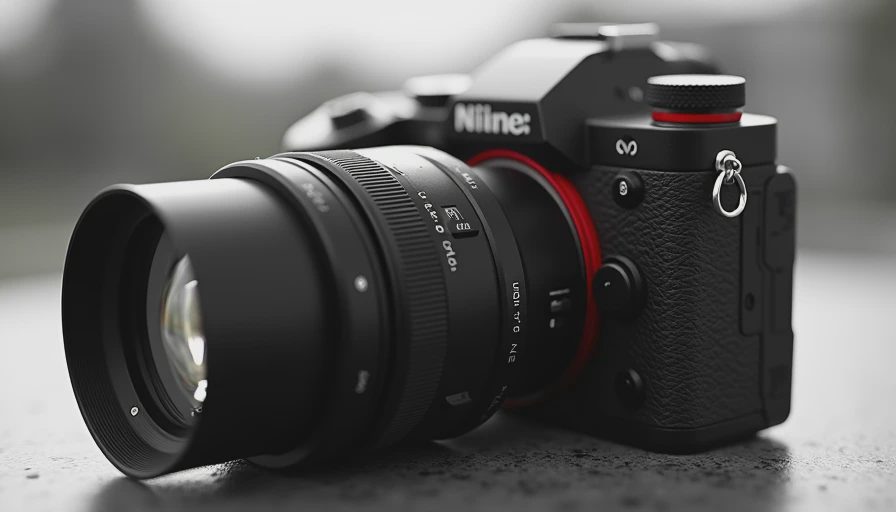
Handling, controls, and the real shooting experience
The body is small, weather resistant in design, and easy to carry with a modest prime lens. That compactness is a genuine advantage on trips. A Sony a6500 with a 20mm or 24mm lens can fit into a small shoulder bag without making photography feel like an expedition. The electronic viewfinder is useful in bright sun, while the tilting rear screen helps with low and high angles.
The controls are less satisfying. Sony menus from this generation are dense, and the camera has fewer custom controls than larger models. I recommend setting one button for focus-area selection, another for ISO, and a custom menu containing silent shooting, drive mode, and stabilization options. This takes fifteen minutes and saves repeated menu diving later.
Battery life is merely adequate, especially when using the rear screen or recording video. Carrying two or three genuine Sony batteries is more practical than trying to stretch one battery through a full day. The grip is also small. People with larger hands may prefer a thumb grip or a small extension, while photographers who value minimal weight may enjoy the body exactly as it is.
Image quality and lens choices
At low and moderate ISO settings, the Sony a6500 produces clean files with natural detail and enough dynamic range for thoughtful editing. You can recover some shadow information, but aggressive underexposure still creates noise. Exposing carefully is better than assuming every dark area can be rescued in software. At higher ISO settings, the camera remains useful for events and indoor work, though a fast lens often improves results more than a newer body would.
The lens system is where this camera becomes more interesting. Sony's 16-50mm power zoom is tiny and convenient, but its optical compromises are visible at the edges and in low light. The 18-105mm f/4 G is a practical all-purpose option for video and travel. For a lightweight portrait kit, consider the Sigma 30mm f/1.4 DC DN or Sigma 56mm f/1.4 DC DN. The Sony 35mm f/1.8 OSS adds stabilization and a natural field of view, while the 70-350mm G gives you useful reach without the size of many full-frame telephoto lenses.
A newer lens can transform the experience more than a body upgrade. A bright prime lets you use lower ISO settings, creates softer backgrounds, and makes the camera easier to handle in dim rooms. This is why I would rather see a beginner pair the Sony a6500 with one good lens than buy a body and three inexpensive zooms that rarely leave the closet.
Video features and limitations
The camera records 4K video and offers useful tools for independent creators, including a microphone input and a relatively compact form. Its 4K footage can look detailed when the exposure and focus are controlled. The in-body stabilization helps with small handheld movements, although it does not replace a gimbal for walking shots. A small tripod, monopod, or stabilized lens can still make a larger difference for serious video work.
There are drawbacks. The screen does not fully articulate for self-facing recording, and extended 4K use can lead to heat concerns depending on the environment and settings. Autofocus is helpful, but dedicated video shooters may prefer a newer body with better subject recognition, a more flexible screen, and improved thermal behavior. For short clips, interviews, product demonstrations, and travel footage, the Sony a6500 remains serviceable. For long continuous recordings, inspect newer alternatives before buying.
Buying a used Sony a6500
Because this model is discontinued, used condition matters more than the box or accessory bundle. Check the sensor for scratches, examine the lens mount for excessive play, and test every dial and button. Capture several photographs at different shutter speeds, then record video long enough to confirm that the card slot and microphone input work. Ask whether the camera has been stored in damp conditions or used heavily for video.
A used Sony a6500 body is often priced in the mid-hundreds, with condition, shutter count, and included batteries affecting the final number. Compare listings from established used-camera dealers with return windows against private listings that offer little protection. A clean body with a genuine battery can be a better purchase than a cheaper kit containing a tired battery and a heavily worn zoom.
Also budget for a fast memory card, a spare battery, and a comfortable strap. Those small purchases can add $60 to $150, but they make the camera more dependable immediately. If the price approaches a newer Sony APS-C body, compare autofocus, battery design, screen movement, and video needs before committing.
Who should buy it today?
The Sony a6500 makes sense for a photographer who wants a compact interchangeable-lens camera, strong still-image autofocus, built-in stabilization, and a mature lens selection without paying current flagship prices. It is especially appealing as a travel body, backup camera, or first serious mirrorless system. Its weaknesses are real but manageable: the menus require setup, the battery is small, and the screen feels dated.
I would look elsewhere if you need reliable long-form 4K recording, a front-facing screen, exceptional battery life, or the newest subject-detection features. Otherwise, spend time learning focus modes, exposure compensation, and one or two lenses before assuming the camera is holding you back. The best camera is the one you understand, and the Sony a6500 still gives a careful photographer plenty to understand and plenty to make.
Before purchasing, handle the body if possible, inspect a used example closely, and price the lens you actually want rather than choosing a bundle by habit. A thoughtfully assembled Sony a6500 kit can produce excellent photographs for years, particularly when your attention stays on light, timing, and composition instead of constant upgrades.