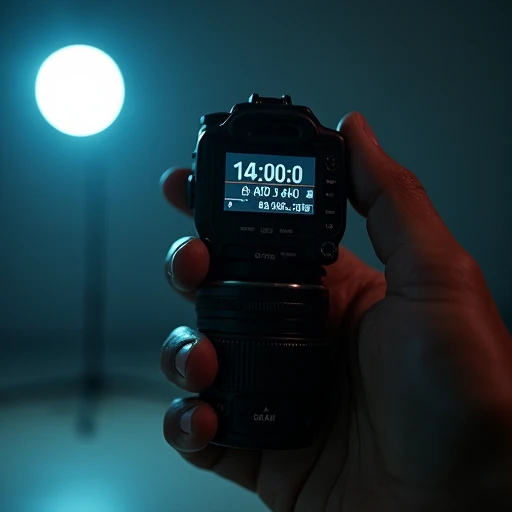
The call time was 6:45 a.m.
The last frame was made a little after 9:00 p.m. Fourteen hours, two camera bodies, one assistant, and—miraculously—no coffee spilled on any of the rented clothes, the client’s notes, or the equipment.
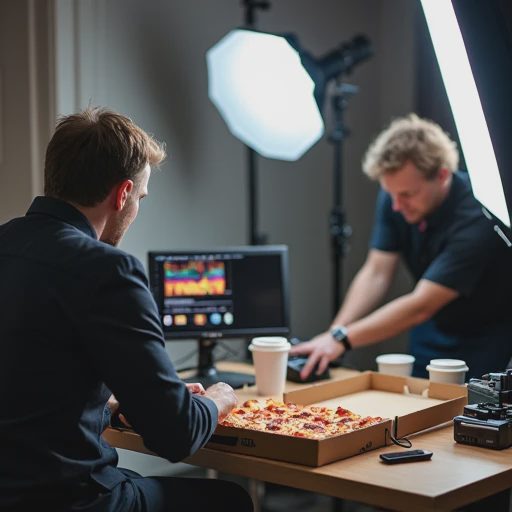
This is what the day actually looked like, not the polished version that appears in gear reviews.
Morning: setup and the first quiet hour
We were shooting a multi-look editorial in a large, mostly empty commercial space with good windows and indifferent overhead lights. The client wanted clean, consistent files across eight outfits, three locations inside the building, and a short outdoor sequence if the weather held.
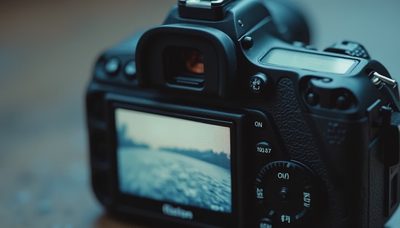
I arrived with two bodies: Gertie, the primary, and Baby, the backup that almost never gets used but still travels. One assistant, two stands, one soft source, a small kit of modifiers, and the usual cards and batteries. The model and stylist were already there. Coffee was poured carefully and kept far from the rolling rack.
The first hour is always slower than the schedule claims. We walked the space, noted how the light would change, decided which corners would go soft by afternoon, and made a simple shot list that everyone could follow. I set both cameras to the same color profile, the same button layout, and the same card format. Matching the bodies in advance removes one source of small mistakes later when the day gets loud.
Midday: the work settles into rhythm
Once the first looks began, the job became a loop of familiar tasks: adjust light, confirm framing, watch the model’s posture and expression, check the tethered monitor with the client, move on. My assistant handled stands, swapped cards when I nodded, and kept the second body ready with the lens I was most likely to need next.
I stayed on Gertie for the majority of the day. Baby sat on a second stand with a longer lens mounted, ready for the few frames that needed tighter compression. Having the second body already set meant I never had to change lenses in the middle of a short window of good expression. That small convenience compounds over fourteen hours.
Autofocus stayed predictable. I kept subject detection on but limited the more aggressive tracking modes so the camera would not jump to the stylist when she stepped in to fix a cuff. Batteries were swapped twice. Cards were rotated before they filled. None of these actions were dramatic. They were simply the maintenance that keeps a long day from developing sudden problems.
Late afternoon: the light changes and the schedule tightens
By 4:00 p.m. the window light had shifted and softened. We moved two setups to follow it and turned off the overheads that had started to fight us. The client added one extra look. The model stayed patient. The stylist worked faster. My assistant and I spoke less and moved more.
This is the part of the day when fatigue shows up in small ways—slower decisions, a tendency to accept a frame that is only almost right, a slight lag in noticing that a stand has drifted. The second body earned its keep here. When I needed a different focal length quickly, it was already waiting. No fumbling, no missed moments while a lens was swapped.
We stepped outside for twenty minutes of natural light while it still had direction. Then back inside for the final indoor sequence under controlled sources.
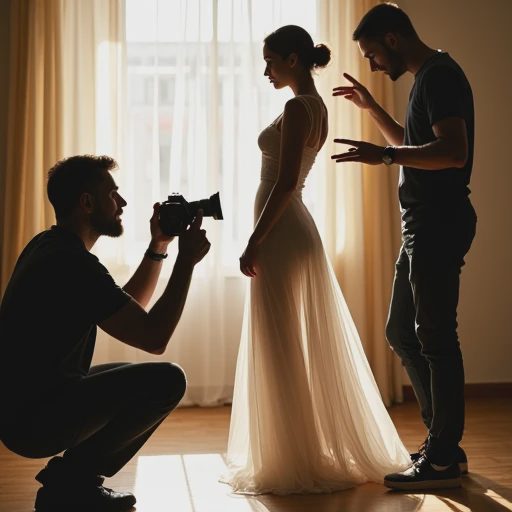
Evening: wrap and the quiet accounting
The last outfit cleared at 8:40 p.m. We checked the monitor one final time, confirmed the client had what they needed, and began packing. Cards were labeled and duplicated on a small drive before anything left the space. Batteries went onto chargers. Stands collapsed. The coffee cups, still unspilled, went into the trash.
Fourteen hours after call time I was in the car with two bodies that had both worked without complaint, an assistant who had anticipated the next need more often than I had to ask, and a set of files that did not require heroic rescue in processing.
What actually carried the day
Not the specification sheet.
Not the newest feature.
The things that mattered were ordinary: cameras whose controls I already knew by feel, a simple lighting approach that could be adjusted quickly, an assistant who understood the rhythm, and the discipline to keep the process identical from the first frame to the last.
Long days do not reward complexity. They reward systems that stay predictable when everyone is tired. The two bodies, the limited lighting kit, and the clear division of tasks between me and the assistant formed one of those systems. Nothing spilled—not coffee, not focus, not the schedule.
The best camera remains the one you understand. On a fourteen-hour day, understanding also means knowing exactly how little extra you need in order to finish cleanly.