Most camera advice treats raw versus JPEG as a moral choice.
Raw is what serious photographers use. JPEG is what beginners settle for. That framing is unhelpful and mostly wrong.
Both formats are tools. They make different trade-offs. Understanding those trade-offs lets you choose deliberately instead of following a rule you only half understand.
What each format actually is
JPEG is a finished image created by the camera. The camera applies white balance, contrast, color, sharpening, and noise reduction, then discards a large amount of the original data to make a smaller file. What you get is ready to view, share, or print with little or no further work.
Raw is the lightly processed data straight from the sensor. It is not a picture yet. It contains far more information about brightness and color. You (or your software) decide later how to interpret that data—white balance, exposure adjustments, contrast, color, and sharpening. The file is larger and requires processing before it is ready for most uses.
Neither is automatically “better.” They are different stages of the same process.
What raw gives you
More latitude.
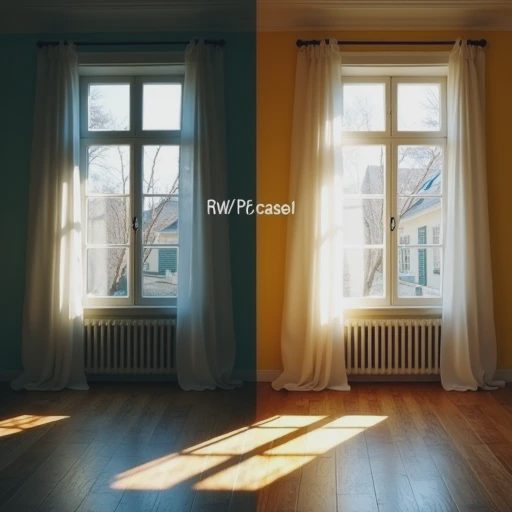
If the exposure is a little too dark or a little too bright, you can often recover detail that would be lost in a JPEG. White balance can be changed after the fact with almost no penalty. Highlights and shadows can be adjusted more aggressively. In mixed or difficult light this flexibility is genuine and useful.
Raw also keeps more of the sensor’s original information, which can matter when you make large prints or do heavy editing.
What JPEG gives you
Speed and simplicity.
The files are smaller, so cards fill more slowly and backups are quicker. The images are immediately usable—no processing step required. For many kinds of everyday work (family snapshots, quick documentation, social sharing, situations where you will not edit), JPEG is not a compromise. It is the efficient choice.
Modern camera JPEG engines are also very good. The gap in everyday image quality between a well-exposed JPEG and a lightly processed raw file is smaller than most forum arguments suggest.
The practical trade-offs
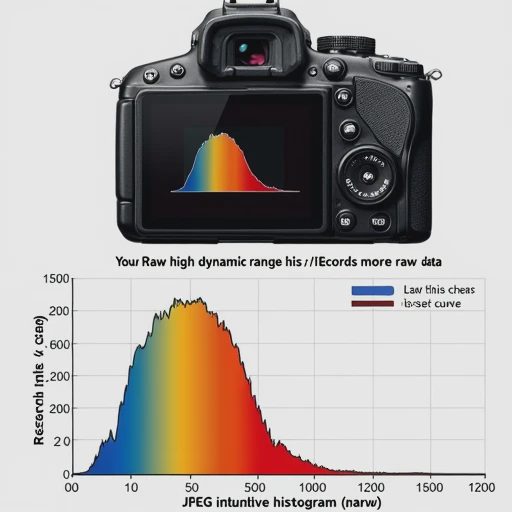
Dynamic range and recovery: Raw wins. If you regularly underexpose or face high-contrast scenes, raw gives you more room to fix mistakes.
Workflow time: JPEG wins. If you need to deliver or share images quickly and do not enjoy editing, JPEG removes a step.
File size and storage: JPEG wins. Raw files are significantly larger.
Color and white balance flexibility: Raw wins when the light is mixed or changing.
Consistency across a job: Either can work. Raw requires more disciplined processing to keep a set looking coherent. JPEG gives you the camera’s consistent interpretation from the start.
A simple way to decide
Ask two questions before a shoot:
Will I have the time and willingness to process these files later?
Is the light difficult enough, or the final use demanding enough, that the extra latitude will matter?
If the answer to both is no, JPEG is often the smarter default.
If you expect to edit carefully, print large, or work in uncontrolled light, raw is usually worth the extra step.
Many working photographers, myself included, shoot raw for client work and switch to JPEG for casual or high-volume situations where speed matters more than maximum flexibility. Some cameras let you record both at once; that option is useful when you want the safety of raw without giving up immediate JPEGs.
Common beginner mistakes
Shooting raw and then applying heavy default processing that makes every file look the same as a JPEG, while still carrying the larger files and longer workflow.
Shooting JPEG and later wishing for white-balance or exposure recovery that is no longer available.
Treating the choice as permanent instead of matching it to the day’s needs.
You can change the setting. The camera does not lock you into one identity.
The quiet bottom line
Raw does not make you a better photographer. JPEG does not make you a lesser one. The format only records the light and the decisions you already made. If the light is poor and the decisions are rushed, neither format will save the picture. If the light is considered and the timing is right, both formats can deliver a strong result.
Learn what each one keeps and what each one discards. Then choose the one that matches the work in front of you.
The best camera remains the one you understand. Understanding includes knowing what your files actually contain—and what they no longer can.