I have bought two cameras that taught me more about decision-making than about photography.
One I regret. One I would buy again without hesitation. The difference between them had almost nothing to do with megapixels, dynamic range, or autofocus specifications. It had to do with whether I was solving a real problem or trying to purchase confidence.
The one I regret
A few years ago I bought a high-resolution full-frame body that had just come out. On paper it was the obvious upgrade: more megapixels, better viewfinder, improved subject detection, cleaner files at high ISO. I could afford it. The reviews were strong. I already owned lenses that would work on it.
I used it for several months on real jobs. The files were excellent when the light was good. The autofocus was capable. The resolution gave me flexibility in cropping. And yet I never fully settled into it.
The camera was larger and heavier than what I had been using. After eight or nine hours on a lookbook or an event, the extra weight showed up in my shoulders and in how often I wanted to put it down. The menus and button logic were just different enough that muscle memory kept reaching for controls that were no longer there. The higher resolution punished small focusing errors and minor camera movement more visibly than my previous body had. I found myself second-guessing exposures and technique that had previously felt automatic.

None of these were fatal flaws. They were friction. And friction, on long days, compounds. I kept using the camera because I had spent the money and because it was “better” by most published measures. Eventually I sold it. The photographs I made with it were fine. The experience of making them was quietly harder than it needed to be.
What I regret is not the camera itself. It is the reason I bought it. I was not replacing a tool that had failed. I was responding to the feeling that I should be using something newer and more impressive. The camera solved a problem I did not actually have.
The one I would buy again
The body I reach for most often now is a slightly older, lower-resolution camera I bought used. It is lighter. The controls sit where my hands expect them. The files are clean enough for the work I deliver. The autofocus does the job without constant supervision. When the day runs long, the camera does not become an additional source of fatigue.
I have taken it on lookbooks, editorial jobs, travel, and the occasional wedding. Clients have never asked what it is. The files have never been the reason a photograph failed. When something goes wrong, the cause is almost always light, timing, or a decision I made—not the sensor or the processor.
I would buy this camera again, in the same condition, at the same price, without hesitation. Not because it is the best camera available, but because it is the one that disappears most completely while I work. That is the quality I now value highest.
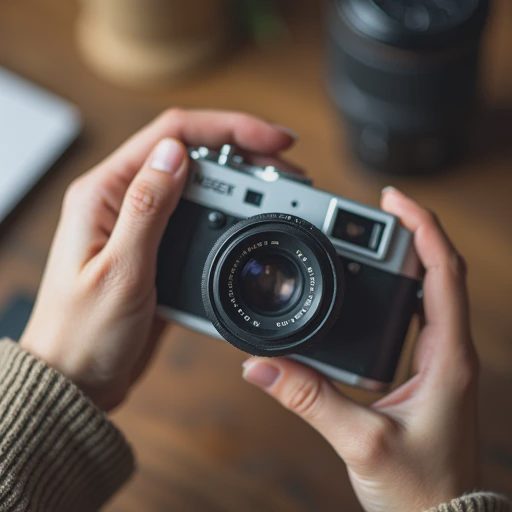
What the two purchases taught me
Specifications are easy to compare. Friction is not. You only discover friction by using a camera under the same conditions you actually work in—long hours, mixed light, real pressure, tired hands.
I still read the technical information when a new body appears. I simply no longer treat a higher number as an automatic reason to replace something that is already working. The question I ask now is narrower: does this camera remove a limitation I can already name, or does it mostly offer me the feeling that I have upgraded?
If I cannot name the limitation clearly, I keep the money and keep working with what I have.
A practical way to apply this
Before you buy the next body, write down the specific failures of your current one. Not vague dissatisfaction—actual, repeated problems that show up in the files or in the experience of shooting. If the list is empty or contains only things that better light and technique would solve, you are probably looking at an optional purchase rather than a necessary one.
If the list is real, then compare candidate cameras against those specific failures and against the way the camera will feel after six hours in your hands. The rest of the specification sheet is secondary.
I still own cameras I do not use every day. Some are kept for particular tasks. The one I would buy again is kept because it continues to do ordinary work without argument. That quieter standard has proven more useful than any ranking of sensors.
The best camera remains the one you understand. Sometimes understanding includes admitting that the more impressive choice was not the right one—and that the less impressive choice still is.