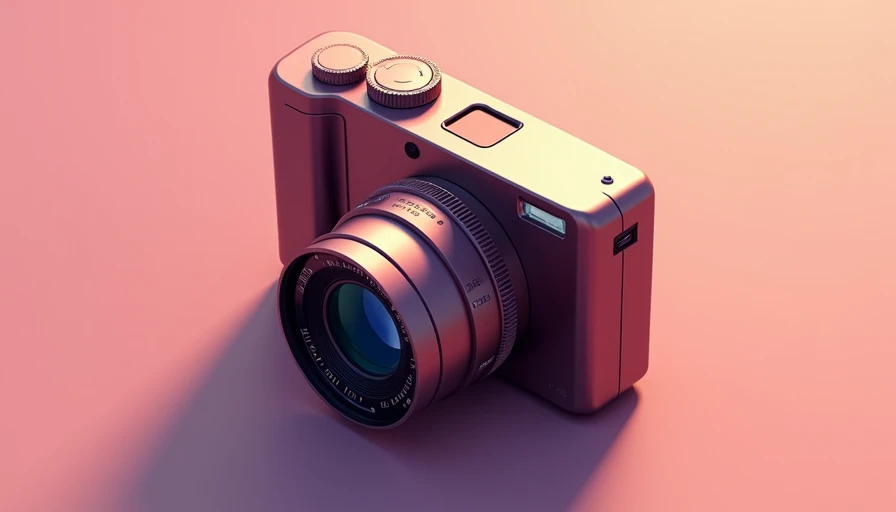
The cyber shot hx30v is an older Sony pocket camera that still makes a persuasive case for traveling light. It has a long 20x optical zoom, a compact body, built-in GPS, and straightforward controls. It will not match a current mirrorless camera for autofocus or low-light image quality, but that is not really the point. The appeal is having a flexible camera in a jacket pocket when a phone cannot reach the subject.
I have always liked cameras that solve a practical problem without demanding a new bag full of accessories. The cyber shot hx30v was designed for that exact role. Its 18.2-megapixel back-illuminated CMOS sensor and 25–500mm equivalent lens cover everything from wide street scenes to distant details. The question is whether those strengths matter more to you than its age.
What the HX30V is actually good at
The lens is the main reason to consider the cyber shot hx30v. A 20x zoom range is unusually useful in a body this small. At the wide end, 25mm equivalent is suitable for landscapes, interiors, group photos, and casual travel snapshots. At the long end, 500mm equivalent lets you frame a lighthouse, a stage performer, or a bird across a pond without walking closer.
That reach does not make the camera a wildlife specialist. The maximum aperture becomes relatively narrow as you zoom, so shutter speeds can fall in shade or late afternoon. Still, Sony’s optical SteadyShot image stabilization helps reduce blur caused by hand movement. It cannot freeze a moving bird, but it can make a static distant subject much sharper than an unstabilized shot.
The cyber shot hx30v also offers useful exposure control. Program, aperture-priority, and manual modes let you move beyond automatic snapshots. The controls are not as comfortable as those on a larger camera, but they are sufficient for learning how shutter speed, aperture, and ISO affect a photograph. That makes this model more than a disposable travel gadget.
Image quality in real use
The 1/2.3-inch sensor is the compromise behind the small body. In bright daylight, images can look crisp and colorful, especially at low ISO. Fine details in brickwork, leaves, and clothing hold together well enough for social media, small prints, and family albums. The JPEG processing has the typical Sony tendency toward punchy contrast and noticeable sharpening, which some people enjoy and others soften later.
Low light is a different story. As the ISO rises, noise reduction can erase small textures, creating smudged grass, hair, or distant windows. Indoor photographs under ordinary household lighting can look flat unless you use flash or brace the camera. A modern phone may produce a cleaner-looking night image through computational processing, even though the HX30V has the more versatile optical zoom.
The cyber shot hx30v records full HD video and includes useful stabilization for casual clips. It is a sensible camera for documenting a trip, school event, or day at the zoo. It is less suitable for polished video work because it lacks the modern autofocus behavior, microphone options, and high-resolution formats that serious creators now expect.
Handling, screen, and travel practicality
This camera feels best when treated as a small travel tool rather than a miniature professional body. The rear screen is large enough for composing and reviewing photos, though it is not articulated for low-angle work or selfies. The electronic controls are familiar once configured, and the zoom rocker is easy to operate while holding the camera one-handed.
Built-in GPS is an unusual feature today. When enabled, it can record location information with photographs, which is helpful when sorting images from a long trip. The tradeoff is battery consumption. GPS should be turned off when you do not need it, especially if the camera will sit in a bag for several days.
A used cyber shot hx30v deserves a careful physical inspection. Check that the lens extends smoothly, the zoom responds without grinding, the flash pops up correctly, and the battery compartment is clean. Look for scratches on the front lens element and haze inside the optics. A replacement battery is inexpensive, but a damaged zoom mechanism can cost more than the camera is worth.

Buying a used HX30V without overpaying
Prices vary considerably because this model is discontinued and often sold through secondhand marketplaces. A clean body with battery, charger, and working zoom generally deserves a modest used-camera price rather than a premium simply because it is a Sony. Missing accessories should lower the offer. The proprietary battery and charger are easy to find, but they still add to the real cost.
When comparing a cyber shot hx30v listing, ask for an original-resolution sample photo. A seller’s description saying excellent condition does not reveal whether the lens is decentered or the sensor has a persistent mark. Photographing a plain wall at a small aperture can expose uneven sharpness, while a close inspection of the LCD can reveal dead pixels.
The camera also uses an older memory-card format and has a smaller, less modern battery than current travel cameras. Those details are not deal breakers, but they are useful bargaining points. I would rather buy a fully tested example with a few cosmetic marks than a supposedly mint camera with no return option.
How it compares with newer choices
The cyber shot hx30v remains attractive when pocket size and optical reach are the priorities. A current premium compact such as the Sony RX100 VII offers a larger one-inch sensor and much stronger autofocus, but it usually costs several times more on the used market. Its zoom range is also shorter, so it does not replace the HX30V in every travel situation.
A recent smartphone is better for automatic HDR, portraits, night scenes, and sharing photos immediately. The HX30V is better when you need a real 20x optical zoom, physical zoom controls, or a camera that can be handed to someone without exposing your personal phone. An interchangeable-lens camera will produce better files, but the body and lens combination is heavier and more expensive.
That is why the cyber shot hx30v makes sense for a particular kind of photographer: someone who wants more reach than a phone, more simplicity than a mirrorless kit, and a low-cost way to practice composition. It is not a secret professional bargain. It is a practical older tool with clear limitations.
Recommended setup for better results
Start by setting image quality to the largest available JPEG size and keep ISO as low as the light allows. Use the widest end of the zoom indoors, where the lens gathers more light. In daylight, activate stabilization and use the long end for compressed backgrounds and distant details. If a subject is moving, select a faster shutter speed rather than expecting stabilization to stop the motion.
Turn on the grid display to keep horizons level, and use exposure compensation when a bright sky causes a person’s face to become too dark. For video, avoid constant zooming unless the movement is deliberate. Carry a spare battery, a small wrist strap, and a soft pouch; that simple kit protects the camera without defeating its pocketable design.
The cyber shot hx30v is worth buying when you find a tested, reasonably priced example and understand what it cannot do. Expect pleasing daylight photographs, impressive reach, useful GPS, and convenient travel handling. Expect less from high ISO, fast action, and modern connectivity. The best camera is the one you understand, and this one can still teach you quite a lot.