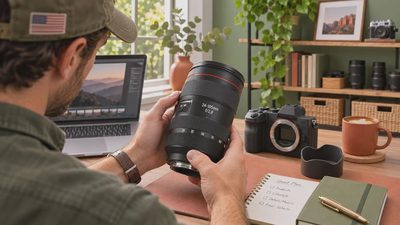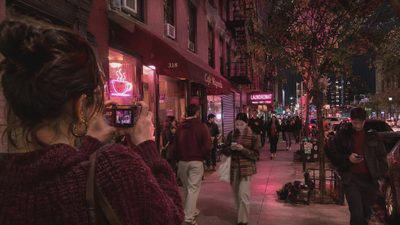
The Sony cybershot dsc wx500 is a small travel camera with an unusually long zoom, best suited to daylight trips when carrying a larger camera feels like too much. Its 30x lens can take you from a wide street scene to a distant architectural detail without changing lenses. The trade-off is a small sensor that has a harder time in dim light, especially at the long end of the zoom. I’d consider it for reach and portability, not as an automatic upgrade over a good phone.
What makes this camera appealing?
The cybershot dsc wx500 pairs an approximately 18-megapixel, 1/2.3-inch sensor with a 24–720mm equivalent zoom lens. Those focal lengths describe the field of view: 24mm is useful for landscapes and groups, while 720mm brings distant subjects much closer in the frame. The word “equivalent” lets you compare that view with a full-frame camera; it does not mean the lens physically becomes 720mm long.
That range makes the camera convenient for sightseeing, wildlife encountered at a distance, and casual family outings. The rear screen also tilts upward for self-portraits. There’s no electronic viewfinder, though, so you compose on the screen even in bright sun. If you strongly prefer holding a camera to your eye, that is worth considering before anything else.
For comparison, the Canon PowerShot SX740 HS is another pocket travel-zoom option for someone who values reach. The Panasonic Lumix ZS100 trades some zoom range for a larger sensor, which may appeal to a traveler who photographs indoors more often. A Sony RX100-series camera is worth exploring if compact image quality matters more than maximum reach; features and lenses vary substantially across that series. Compare used prices and condition rather than assuming any one of these is the obvious bargain.

Where the zoom helps, and where it hurts
The cybershot dsc wx500 is at its most useful when you have enough light to keep shutter speeds reasonably fast. Shutter speed is the length of time the camera gathers light for a photo. A faster speed helps freeze movement, but it also gives the sensor less light to work with.
At full zoom, small hand movements become much more visible in the frame. Optical stabilization helps compensate for camera shake, but it cannot freeze a moving bird or a person walking through your shot. Brace your elbows against your body, lean on a railing, and take a few frames. If your subject is moving, select a faster shutter speed or try a scene mode intended for action.
The lens also lets in less light at its longest setting than it does at the wide end. Indoors or around dusk, that can force the camera to raise ISO, a setting that brightens the image but can make grain and softened detail more noticeable. Zooming out, moving closer when practical, or waiting for better light can make a bigger difference than changing a menu setting.
Don’t expect the soft, blurred backgrounds associated with a large-sensor portrait camera and a bright lens. You can still separate a subject from its surroundings by zooming in, keeping the subject relatively close, and placing the background farther away. Just give yourself enough light and room to step back.
Image quality and everyday controls
In good light, the cybershot dsc wx500 has enough resolution for everyday prints, sharing, and modest cropping. Megapixels describe how many picture elements make up the image; they do not tell you everything about sharpness or low-light performance. At this sensor size, light and lens settings matter more than the headline pixel count suggests.
The camera records JPEG images rather than offering a raw photo option. JPEGs are processed in the camera and are convenient to share, while raw files generally leave more latitude for adjusting exposure and color afterward. If extensive editing is central to your photography, that limitation is important. For casual travel pictures, it may not matter much at all.
There are automatic settings as well as exposure modes that give you more control. I’d start with automatic or program mode, pay attention to where the camera focuses, and learn to adjust exposure compensation when a bright sky or dark interior fools the meter. Exposure compensation is simply a way to ask the camera for a brighter or darker image.
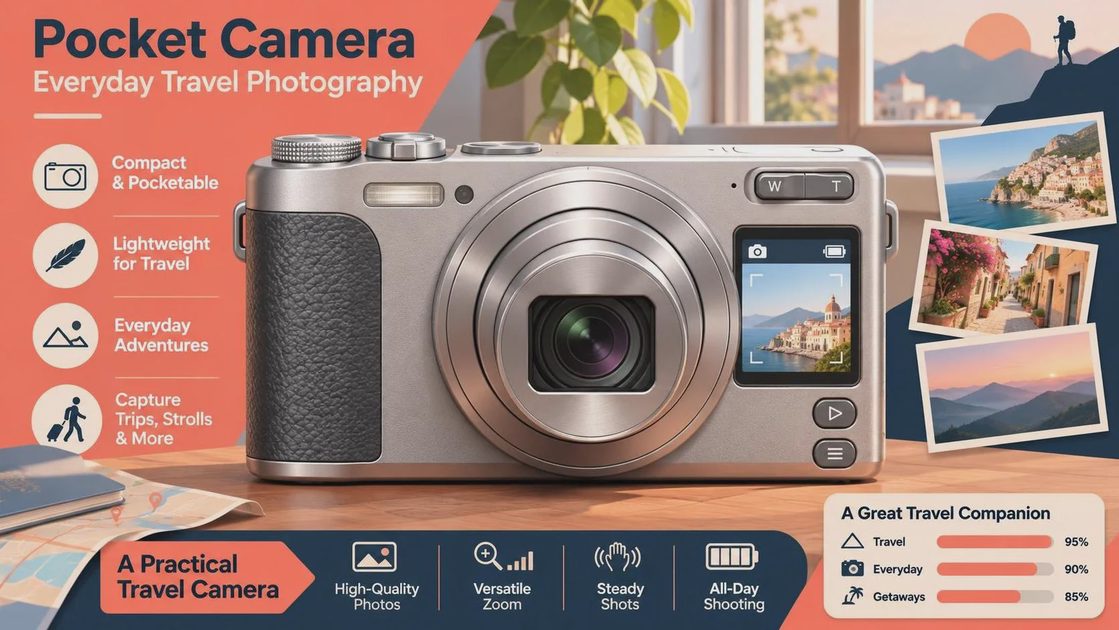
The cybershot dsc wx500 also records Full HD video. Its long zoom can be useful for distant details, but handheld footage at maximum magnification can look unsettled. It is a reasonable casual video tool, not the first camera I’d choose for a demanding production setup.
How to check a used cybershot dsc wx500
Condition matters more than a tidy product description. Ask the seller for photographs of the actual camera, including the lens, screen, battery compartment, and all sides of the body. A low price is less attractive if the lens mechanism sticks or the battery door will not close securely.
If you can inspect it in person, turn it on and let the lens extend. Zoom slowly through the entire range, then retract it. Listen for grinding or repeated attempts to move, and watch for error messages. Take pictures at both ends of the zoom, including a pale, evenly lit surface, then inspect the files for obvious dark spots or uneven softness. A little exterior wear is normal; damage that affects operation is a different matter.
Tilt the screen through its range, check that the buttons respond, and make sure the camera reads and writes to a compatible memory card. Try the flash if you expect to use it. Battery life is harder to judge in a short inspection, so ask about the battery’s age and budget for a replacement if needed. Confirm that a charging method is included or available.
Finally, check the seller’s return policy and compare the total cost with other compact cameras in similar condition. The cybershot dsc wx500 makes sense when you specifically want a long lens in a small package. If most of your pictures are taken indoors or at short distances, the phone you already carry—or a compact with a larger sensor—may serve you better. The best camera is the one you understand.