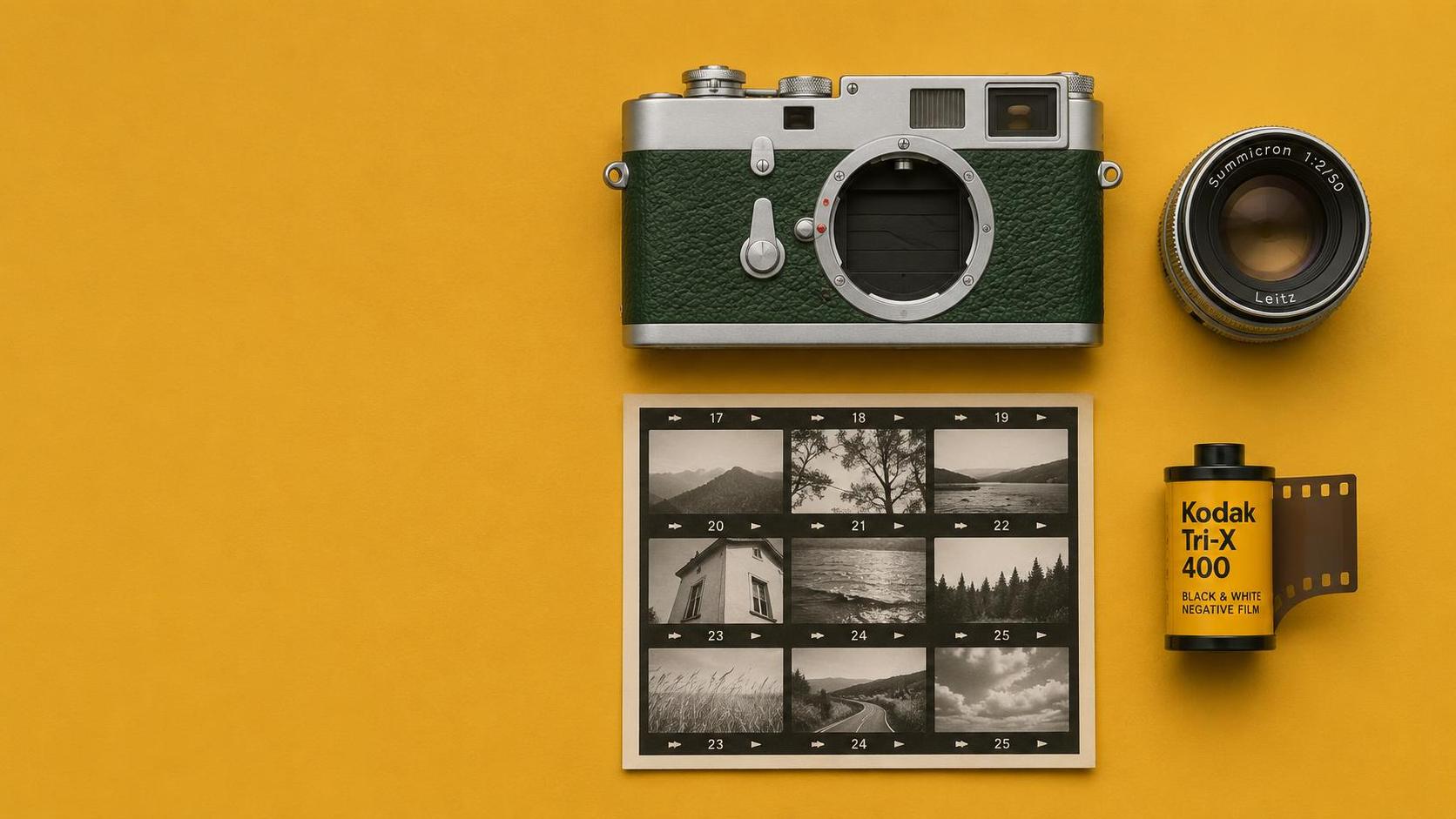
The d3100 digital camera is an old Nikon DSLR, but old does not automatically mean useless. Released in 2010, it still offers a large APS-C sensor, interchangeable lenses, a proper optical viewfinder, and enough image quality for prints, portraits, travel, and family photographs. I would not recommend it for every assignment, but I would recommend understanding it before dismissing it. The best camera is the one you understand, and the D3100 can teach the fundamentals unusually well.
What the Nikon D3100 actually gives you
The Nikon D3100 uses a 14.2-megapixel DX-format CMOS sensor. In plain English, that sensor is considerably larger than the ones found in most phones and compact cameras of its era, so it can gather more light and create a more natural background blur with the right lens. Fourteen megapixels is also enough for an 8-by-10-inch print with room to crop, provided the focus and exposure are sound.
Its optical viewfinder shows the scene through the lens using a mirror and prism. That means there is no electronic preview, but the display is clear, immediate, and easy to use in bright sun. The camera also has an 11-point autofocus system, a top shutter speed of 1/4000 second, and continuous shooting at roughly three frames per second. Those numbers are modest now, yet they cover portraits, street scenes, landscapes, and casual sports.
The D3100 records 1080p video and saves still images to standard SD cards. It does not have built-in Wi-Fi, a touchscreen, or modern subject-detection autofocus. Those omissions matter if you expect phone-like sharing or advanced video work. They matter much less if your goal is learning exposure and making good still photographs.
How the d3100 digital camera performs in real photographs
In daylight, the d3100 digital camera can produce files with pleasant color and enough detail for online galleries, photo books, and ordinary client work. I have always found that an older sensor becomes most convincing when it is paired with good light and a sharp lens. A basic 35mm f/1.8G lens, for example, can make the camera feel far more capable than its age suggests. That lens is useful indoors, on walks, and for environmental portraits.
Low-light performance is more limited. At ISO 800, results can still look quite usable, especially after modest noise reduction. At ISO 3200, shadow noise and lost fine detail become more obvious. The camera offers higher sensitivity settings, but I would treat those as emergency options rather than a normal working range. A tripod, a faster lens, or a nearby lamp will usually improve the picture more effectively than simply raising ISO.
Autofocus is adequate for a person walking toward you, but it is not comparable with a current mirrorless body tracking an eye across the frame. For a quiet portrait, select a single focus point and place it over the nearer eye. For a child running through a room, use continuous autofocus and accept that some frames will miss. That is a skill-building limitation, not a creative dead end.
Buying a used d3100 digital camera without regrets
A used d3100 digital camera often sells for roughly $100 to $250 for the body, depending on condition, accessories, and the seller. A kit including the 18-55mm lens may cost somewhat more. I would rather buy a clean body from a reputable used dealer than chase the lowest marketplace listing, because a return window has real value when you cannot inspect the camera in person.
Ask for the shutter count if it is available, but do not treat that number as a complete health report. Inspect the lens mount, hot shoe, battery door, card slot, and rubber grips. Look through the viewfinder for obvious marks, then take test photographs of a plain wall at a narrow aperture to reveal dust or sensor damage. Dust is usually cleanable; scratches, corrosion, or intermittent power are reasons to walk away.
Check that the charger is included and that the EN-EL14 battery does not swell or lose power immediately. Bring an inexpensive SD card and photograph at several shutter speeds. Review the files on a computer rather than trusting only the rear screen. A camera that looks perfect at the counter can still have a sticky control dial or inconsistent shutter release.
The lenses matter more than the body badge
The bundled 18-55mm zoom is a sensible starting point. Its wide end handles rooms and landscapes, while its short telephoto end works for casual portraits. It is not glamorous, but it teaches composition because you can see how changing focal length changes the relationship between subject and background.
For a second lens, I would consider Nikon's AF-S DX 35mm f/1.8G. On the D3100's DX sensor, it gives a natural field of view that is useful for everyday scenes. Its wide aperture lets in more light than the kit zoom and can soften a background. A used copy often costs less than a modern premium lens, making it one of the most practical upgrades for this body.
A 55-200mm zoom is another reasonable choice for outdoor portraits, details, and distant subjects. Avoid buying several lenses before learning the one you already have. Photograph the same street corner at 18mm, 35mm, and 55mm. That simple exercise will teach you more about perspective than a week of reading specifications.
d3100 digital camera versus a newer mirrorless model
A current mirrorless camera will usually win on autofocus, video, screen quality, burst speed, high-ISO performance, and wireless connectivity. Models such as the Sony a6400, Canon EOS R50, or Nikon Z50 are easier choices for active subjects and hybrid photo-video work. They also cost substantially more, especially after adding a lens and spare battery.
The d3100 digital camera wins in a different category: low-cost access to the photographic process. Its physical controls, optical finder, and limited automation encourage you to notice shutter speed, aperture, and light. You can learn why a face is blurry, why a background is distracting, or why an indoor image looks dim instead of simply tapping a replacement mode.
If you already own compatible Nikon F-mount lenses, the D3100 can be a useful backup. If you are starting from nothing and want serious video or fast wildlife autofocus, save for a newer system. The right decision depends less on the camera's age than on the photographs you actually intend to make.
A sensible setup for a beginner
Start with the 18-55mm lens, one fully charged battery, a reliable SD card, and a small camera bag. Set image quality to JPEG plus RAW if you have enough storage and want editing flexibility. Learn aperture priority first, then manual exposure when you understand what the meter is showing. Keep autofocus on single point for still subjects and review images at 100 percent occasionally to check focus.
Spend a week making deliberately ordinary photographs: a window-lit object, a moving person, a landscape at sunset, and a night scene from a tripod. Compare the results rather than chasing dramatic subjects. When you can predict how the d3100 digital camera will respond before pressing the shutter, you have gained something more valuable than a newer body.
My final advice is simple. Buy a clean example at a fair price, pair it with one useful lens, and put the remaining money toward time behind the camera. The D3100 will not match a modern flagship, and it does not need to. It remains a capable, inexpensive teacher—and sometimes that is exactly the camera a photographer needs.