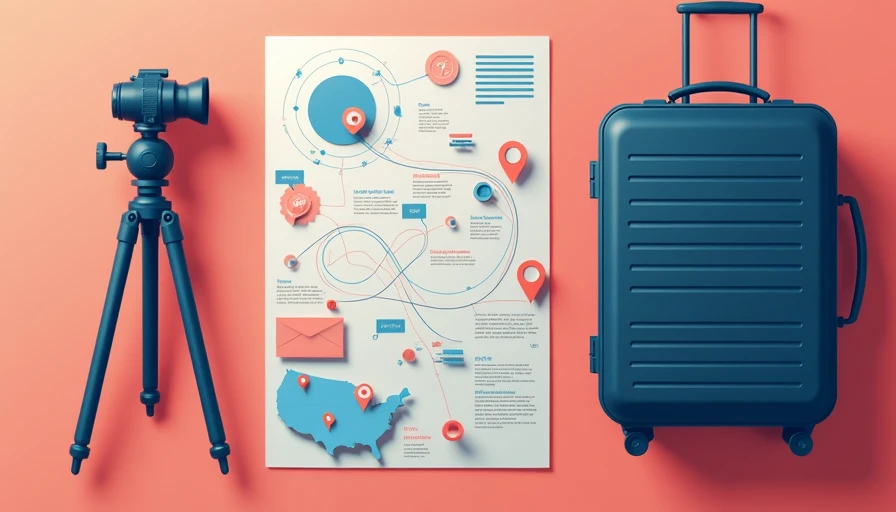
The peak design travel tripod is one of those pieces of gear that looks almost too carefully engineered to be practical. Folded, it is remarkably slim; opened, it gives a camera a proper working platform instead of merely keeping it upright. I have spent enough time testing tripods on real shoots to know that this distinction matters. A tripod is not useful because its specification sheet is impressive. It is useful when you actually carry it, set it up, and trust it when the light gets difficult.
Why this tripod attracts photographers
The central idea is simple: reduce the dead space between the tripod's folded legs and center column. Traditional travel tripods often fold around a central column with large gaps, creating a longer, bulkier package. Peak Design's design brings the legs closer together, so the folded shape fits more easily beside a camera cube, laptop, or jacket in a travel bag.
That compactness is the main reason to consider it. The peak design travel tripod is not magically lighter than every competing tripod, and it is not a full-size studio support. Its advantage is the relationship between packed size, working height, and setup speed. The aluminum version is generally the sensible choice for photographers watching cost, while the carbon fiber version saves some weight and costs considerably more. For many travelers, the difference is felt most when walking several miles rather than during a single setup.
The integrated ball head is also thoughtfully arranged. It sits low, which helps keep the camera's center of gravity closer to the legs. Controls are tucked into the head rather than spread across several knobs. That makes the system clean and quick, although photographers accustomed to a large pan-and-tilt head may need a short adjustment period.

Stability, height, and camera compatibility
A tripod's job is to resist movement, so stability deserves more attention than folded dimensions. With a mirrorless camera and a moderate zoom, the peak design travel tripod is capable of sharp long exposures, landscape work, architecture, and self-timer portraits. I would be comfortable using it with a Sony a7 IV, Canon EOS R6 Mark II, Nikon Z6 II, or a similar body paired with a normal zoom.
The situation changes with a heavy telephoto lens, a large professional DSLR, or strong wind on an exposed overlook. A compact travel tripod has less mass and a smaller footprint than a heavier model such as a Gitzo Traveler or a sturdy aluminum Manfrotto. That does not make it defective; it reflects the design brief. Extend the thicker leg sections first, spread the legs fully, and avoid raising the center column unless you need the extra reach. Those habits improve rigidity more than a dramatic brand comparison will.
The working height is adequate for many travelers, but not identical to standing beside a full-size tripod. If you are tall and regularly compose at eye level, measure the height of your camera and compare it with the tripod's maximum specification before ordering. A few inches can determine whether a long landscape session feels comfortable or slightly annoying.
The details that matter in daily use
The peak design travel tripod earns its reputation through small decisions. The legs deploy with a quick pull and lock with familiar twist mechanisms. The head's controls are close to the camera, so changing composition does not require searching around the support. The center column can be reversed for low-angle work, and a phone mount is stored inside the center column on some versions, which is a genuinely useful touch rather than a novelty.
The quick-release plate is designed to stay on the camera while remaining relatively unobtrusive. That is important for photographers who move between handheld and tripod shooting. Some users love the proprietary plate because it is fast and compact. Others prefer an Arca-Swiss plate from the start because it fits a wider range of clamps and cages. Before buying, look at your existing accessories. A tripod that forces you to replace a favorite cage or plate is less convenient than its marketing suggests.
One practical caution is that compact controls can feel cramped if you wear gloves or have limited hand strength. The same minimal layout that looks elegant on a desk can be less forgiving in freezing weather. This is not a reason to reject it, but it is a reason to handle one in person if winter landscape photography is your main use.
How it compares with cheaper travel tripods
A $100 to $200 travel tripod can hold a camera still, and sometimes that is all you need. Models from SmallRig, Sirui, Benro, and Manfrotto offer useful alternatives at different prices. They may include a more conventional ball head, a larger center column, or a heavier set of legs. In exchange, the folded package can occupy more room, and the controls may not feel as integrated.
The peak design travel tripod usually makes the most sense for someone who values packing efficiency and uses the tripod often enough to appreciate quick setup. If it will live in a closet and come out twice a year for holiday group photos, the price is harder to justify. A less expensive model can deliver the same basic result with a little more bulk.
Think in terms of friction. If a tripod is awkward to pack, you leave it at home. If you leave it at home, the sunset exposure, interior detail, or family portrait that needed support becomes a handheld compromise. Paying more for a tool you actually carry can be rational. Paying more for a tool whose clever design does not solve your particular problem is not.
Choosing aluminum or carbon fiber
The aluminum version is the value recommendation. It typically costs less, and its added weight can sometimes help it resist minor movement. For road trips, city travel, and general landscape work, that trade-off is reasonable. Carbon fiber is attractive when every ounce matters, especially if you already carry a heavy camera, several lenses, a water bottle, and a laptop.
Do not expect carbon fiber alone to transform your images. It will not improve autofocus, dynamic range, or lens sharpness. It can make you more willing to bring the tripod, and that behavioral benefit is real. If the carbon model stretches your budget by roughly $200 or more, consider whether that money would be better spent on a spare battery, a rain cover, or a lens you will use every week.
Who should buy it
The peak design travel tripod is a strong fit for a photographer who travels by plane, walks between locations, and wants a serious support system without carrying a long, awkward case. It is also appealing to creators who switch between a mirrorless camera and a phone, since the compact design and stored phone mount reduce the number of small accessories in a bag.
It is less compelling for studio photographers, wildlife shooters with long lenses, or anyone who prioritizes maximum rigidity over portability. Those photographers should look at a heavier support system with a larger head and wider leg platform. A full-size tripod may be less elegant but more appropriate.
My conclusion is straightforward: the peak design travel tripod is not a universal upgrade, but it is an unusually coherent travel tool. Its compact form addresses a real problem, its controls are quick once learned, and its limits are understandable. Buy it because you will carry it, not because a product video made portability look fashionable. The best camera is the one you understand, and the best tripod is the one that is with you when the light finally becomes worth holding still.