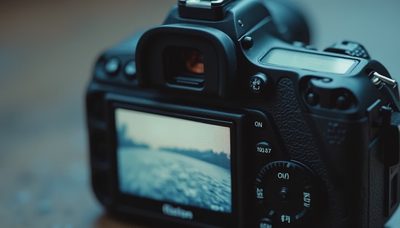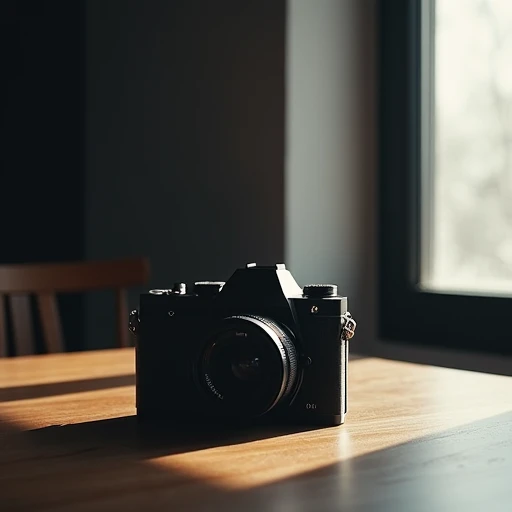
The stylist’s shoes cost more than the camera I was using.
I noticed it the way you notice small, absurd details on a job: while she was adjusting a hem and I was changing cards. The shoes were new, pale, and clearly expensive. The camera was a two-year-old APS-C body I had bought used. It was not a secret. The client knew what I was working with. The files still had to look clean, consistent, and expensive on a large monitor the next day.
This is what that day actually required, and how a modest camera handled it.
The job
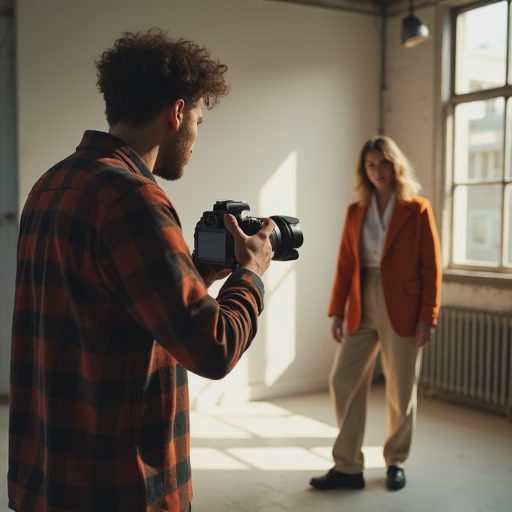
A small lookbook for a clothing label. One model, one stylist, one assistant, natural light plus a single soft source I brought, three locations inside a rented loft, and a schedule that left almost no room for technical experimentation. We needed full-length frames, clean details, consistent color, and enough resolution for web and lookbook printing. Nothing exotic. Just reliable photographs that made the clothes look intentional.
I packed the used APS-C body, two lenses I already understood (a standard zoom and a fast normal prime), two batteries, and the usual small grip of cards and a backup drive. No second body. No high-resolution full-frame option in the bag.
What the camera had to do
Stay out of the way.
That is the real requirement on most commercial days. Autofocus had to lock on the model’s eyes quickly when she moved between marks. The files had to hold up when we worked near windows and then moved deeper into the room. Skin tones needed to stay natural under mixed ambient and softbox light. Buffer and card write speed needed to keep up with the short bursts I use when a pose lands.
The camera did those things. Not perfectly. Not with the same margin a current flagship would have given me. But cleanly enough that the limitations never became the client’s problem.
Where I felt the difference
High-ISO files were usable but not luxurious. When we lost the window light and I had to raise ISO further than I prefer, the noise arrived earlier than it would have on a larger sensor. I solved it the ordinary way: I moved the soft source closer, accepted a slightly slower shutter when the model was still, and exposed carefully instead of underexposing to “protect highlights.” The files remained deliverable.
Depth of field was less shallow at the same apertures. On full-length frames that was often an advantage—more of the garment stayed in focus. On tighter portraits I simply worked with what the format gave me and placed the model with more attention to the background distance.
The body itself stayed comfortable. After six hours it still felt like a tool rather than a weight. That mattered more than I expected once we were moving between setups and the schedule tightened.
What did not matter
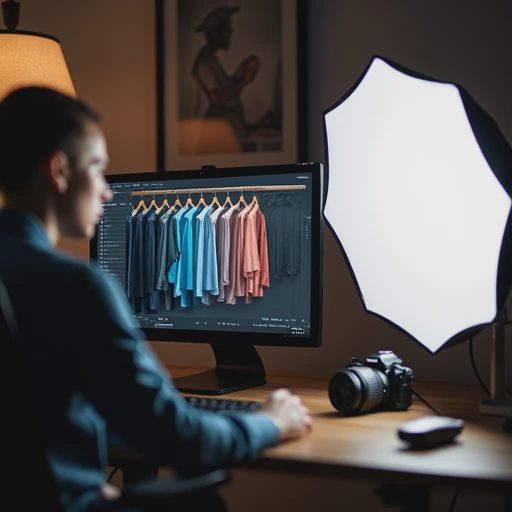
No one on set asked what camera I was using. The client looked at the images on the tethered monitor (I shot a selection tethered for review) and judged them by whether the clothes and the model looked the way they wanted. The conversation was about hem length, expression, and whether the light on the fabric was too flat. The sensor size never entered the discussion.
This is normal. Most clients are not evaluating your equipment list. They are evaluating the photographs and the experience of working with you.
The practical takeaway
A more expensive camera would have given me cleaner high-ISO files and a bit more flexibility in shallow depth of field. It would not have changed the quality of the light, the model’s presence, the styling, or my decisions about timing and framing. Those variables determined whether the photographs worked.
I have shot lookbooks on higher-end bodies. I will do so again when the job’s specific demands (very large final output, extremely low light, heavy cropping) make the extra capability useful. On this day the extra capability was not required. The modest camera, used deliberately, was enough.
If you are early in your working life, or simply deciding where to put limited money, this is worth remembering. Clients pay for the final images and for your ability to make the day run smoothly. They do not pay for the price tag on your camera. A body that costs less than the stylist’s shoes can still deliver the work if you understand what it does well and where you need to protect it.
The best camera remains the one you understand. Sometimes that camera is also the one that keeps the rest of the budget available for the things that actually show up in the final frames—time, light, and attention.