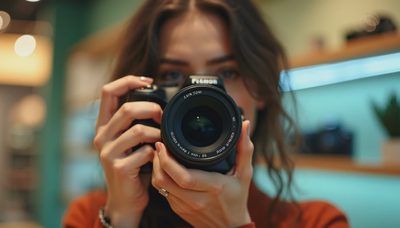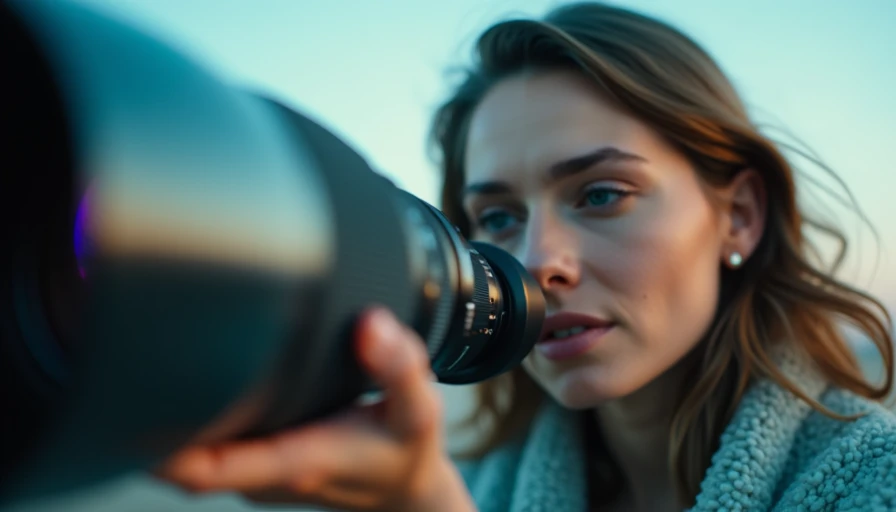
Sigma 150-600mm is the kind of lens that reminds you telephoto is less about bragging rights and more about being in the right place with enough reach. If you shoot birds at the park, youth soccer, airshows, or the moon over downtown, this zoom gives you a serious frame-filling range without jumping straight to a pro prime that costs more than a used car. I like lenses like this because they solve a real problem: your subject is too far away. The question is not whether it can do everything, but whether it does the far-away job well enough to earn space in your bag.
At 150mm, you are already in short telephoto territory, which is useful for tighter portraits of people, dogs, and larger wildlife. By 600mm, the world looks very different. A heron that was a speck becomes the whole frame, and a soccer player on the far side of the field stops looking like a dot. On an APS-C body, the field of view narrows even more, so the same lens behaves like an even longer zoom. That extra reach is one reason many photographers reach for it before they ever think about a 400mm prime.
The tradeoff is aperture. Most versions of this lens use a variable maximum aperture, usually starting around f/5 and ending around f/6.3 at the long end. In plain English, that means the lens lets in less light as you zoom in. Optical stabilization helps steady the view and improves keeper rate for static subjects, but stabilization does not freeze motion. For a running player, a bird in flight, or a kid in afternoon shade, you still need a fast shutter speed if you want crisp results.
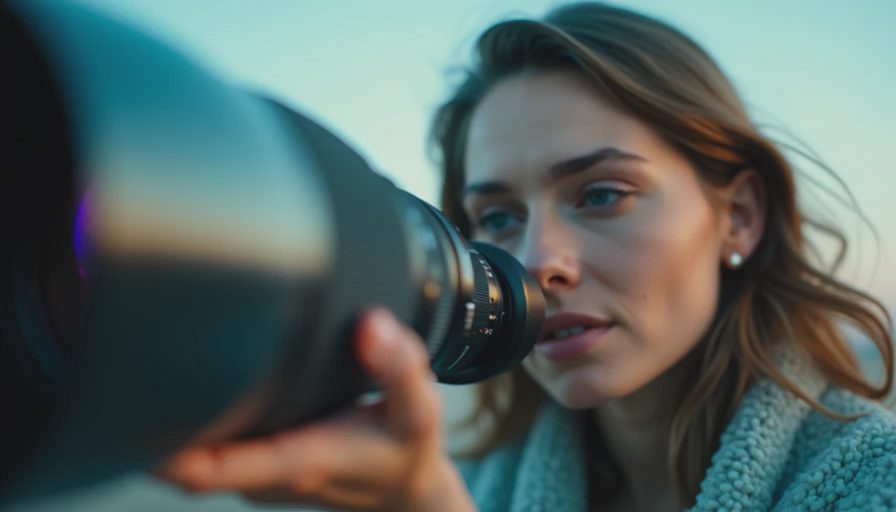
What the Sigma 150-600mm does well
The best thing about this lens family is that it gives you real reach without demanding pro-level money. In good light, the center of the frame is usually strong across most of the zoom range, and the image has enough contrast to make feathers, jersey numbers, and aircraft markings look clean instead of mushy. At 600mm, I usually expect a little more careful technique, but that is normal for a zoom this long. If you stop down a touch when light allows, the image often tightens up enough for large prints and web delivery.
There is also a practical side that gets overlooked in spec sheets. The zoom ring is smooth enough that you can track a subject without fighting the lens, and the included tripod collar matters more than people think. A long lens on a monopod is easier to pan, easier on your wrists, and less tiring during a long game or birding session. The Contemporary version is lighter and friendlier for travel. The Sports version is heavier, but it tends to feel more substantial in the hand and is the one I would choose if I expected rougher use.
If you are coming from a smaller telephoto, the first thing you will notice is perspective compression. Backgrounds look closer to the subject, which can be beautiful for portraits of animals or messy for crowded sidelines. That is not the lens making scenes look fake; it is simply the effect of a longer focal length. Once you understand that, you can use it on purpose. I have made some of my favorite frames with long glass because it lets me isolate exactly the piece of the scene that matters.
Where the Sigma 150-600mm starts to show its limits
No lens is free, and this one pays for its reach with size, weight, and some patience requirements. If you are shooting indoors, at dusk, or under dim gym lights, the variable aperture can make life harder than you want. Autofocus is usually good enough for casual wildlife and field sports, but it is not the same as a modern flagship sports lens with a brighter maximum aperture. You can still get the shot, but you need to be honest about the lighting and the subject speed.
At 600mm, air between you and the subject matters more than people expect. Heat shimmer on a summer road, humidity over water, or just a long distance can soften detail before the light ever hits the sensor. That is why some files look less sharp than the lens is actually capable of being. The problem is often the scene, not the glass. When I teach newer photographers, I tell them to look at the whole chain: subject motion, shutter speed, atmosphere, and then the lens itself.
If you are on Sony E and want a native super-tele zoom, Sony’s 200-600mm is a strong alternative and is often the cleaner choice for pure wildlife work. If you are on Canon EF or Nikon F, the Sigma can still make a lot of sense because used prices are far easier to swallow than a full system jump. I like the lens as a value play, not a status play. It is for getting close to the subject, not impressing other people at the camera store.
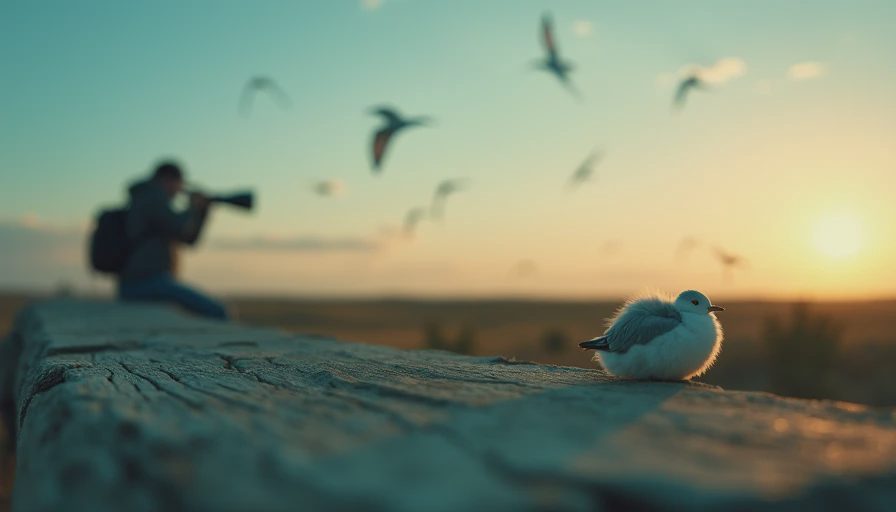
Buying the Sigma 150-600mm new or used
This is one of those lenses where a careful used purchase can save real money. Used copies often land in the roughly $700 to $1,100 range depending on mount, version, and condition, while current new copies usually sit in the four-figure zone. That spread matters if you are trying to build a wildlife kit without eating ramen for three months. When you shop used, check for zoom creep, loose tripod foot hardware, smooth autofocus, and any haze or cleaning marks on the front element.
I would also ask for a few sample files at 600mm. Not because you need laboratory perfection, but because you want to see whether the lens is decentered, whether focus is consistent, and whether image stabilization behaves as expected. A worn copy can still be fine for casual use, but you should know what you are buying. Pay attention to the mount too. On older DSLR versions, a little cosmetic wear is common, but wobble between the lens and body is not something I would ignore.
If you are choosing between the Contemporary and Sports versions, think about how you actually shoot. If you hike, travel, and handhold more often, lighter wins. If you spend longer sessions on a monopod or tripod and want the more rugged feel, the heavier body may be worth it. The newer mirrorless-native versions also change the equation for autofocus and handling, so I would match the lens to the body rather than chasing the headline focal length alone.
Who should actually buy the Sigma 150-600mm
If your weekends include birds, wildlife, motorsports, aircraft, or youth sports from the sidelines, this lens can pay for itself quickly in the number of usable frames you bring home. It is also a smart pick for travelers who want one long lens instead of packing a whole zoo of prime glass. On the other hand, if most of your shooting happens indoors, at family dinners, or on busy city streets, it will feel like too much lens to carry and not enough lens to use.
My simple rule is this: buy the reach you will actually point at a subject, not the reach that sounds impressive in a forum thread. The Sigma 150-600mm is not the perfect answer for every photographer, but it is a very practical one for a lot of real jobs. If you understand where it shines and where it asks for compromise, you will get far more from it than a person who buys a shorter lens and keeps wishing they had gone longer. The best camera is the one you understand.