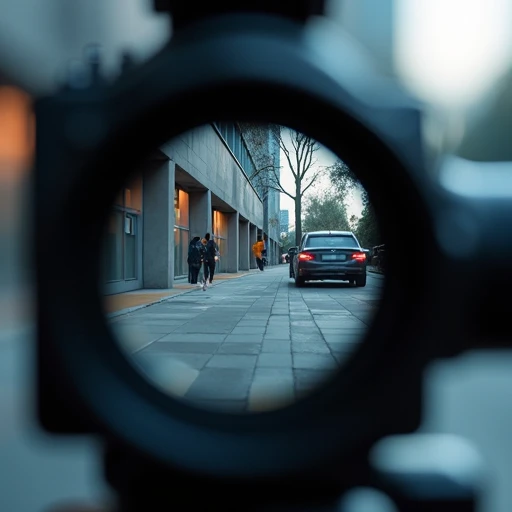
Before I start any paid job I turn one feature off.
Not because it is broken. Not because it is poorly designed. I turn it off because, under the conditions I actually work in, it creates more small problems than it solves. The feature is continuous subject tracking with the most aggressive AI detection settings enabled.
I want to explain why, from the perspective of someone who has both measured these systems on a test bench and then used them for ten-hour days on real sets.
What the feature is supposed to do
Modern mirrorless cameras can detect eyes, faces, animals, vehicles, and sometimes more. Once detection locks on, the camera will attempt to follow that subject across the frame, even if it moves quickly or leaves the center. In controlled demonstrations the results look impressive. The box stays glued to the eye. The hit rate appears high.
On a clean background with predictable motion and good light, it often works exactly as advertised.
What happens on an actual job
Real jobs rarely offer clean backgrounds and predictable motion.
On a lookbook the model turns, the stylist steps into the frame to adjust a hem, a reflector shifts, and the light changes as clouds move. On an editorial the subject walks through mixed practical lighting and open shade. At a wedding people hug, cry, step in front of one another, and move between bright doorways and dim interiors.
In those conditions the most aggressive tracking modes start making their own decisions. The camera may jump to a different face that momentarily looks more “detectable.” It may cling to an eye that is no longer the one I want in focus. It may hunt for a moment when the subject briefly turns away, then re-acquire on the wrong plane. Each of those small errors costs either a frame or a second of attention while I correct it.
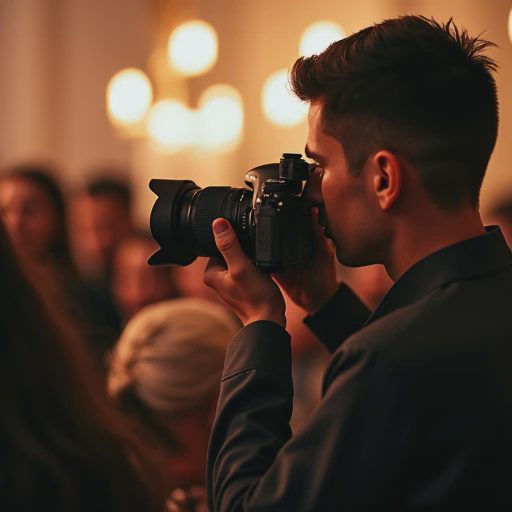
I have watched this behavior in testing and then lived with it on set. The system is not failing randomly. It is optimizing for a different priority than mine. It wants a high detection rate. I want the specific plane of focus I chose, at the moment I chose it, without argument.
What I do instead
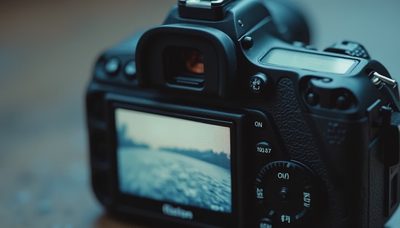
I leave face and eye detection available, but I turn off the most persistent continuous-tracking behaviors and the wider “keep tracking even if the subject leaves the frame” options. I keep the AF area mode in a setting I can override instantly with the joystick or a touch. I accept that I will sometimes have to re-acquire focus myself.
The result is slightly more manual involvement and far fewer surprises. When the camera and I disagree, I win immediately. On a long day that predictability matters more than the last percentage point of automated success rate.
Battery life also improves a little. Continuous high-level subject analysis consumes power. Turning the more aggressive modes down gives me a measurable buffer on jobs where I cannot stop to swap batteries at the ideal moment.
When I leave it on
There are situations where the full tracking system earns its keep: certain sports, fast-moving children at play, or any job where the subject’s motion is the primary difficulty and the background remains relatively clean. In those cases I enable it deliberately and accept the occasional wrong lock as the price of catching frames I would otherwise miss.
The key word is deliberately. The feature is a tool with a specific use case, not a default that should stay active because the menu makes it easy to leave on.
A practical way to test this yourself
On your next outing, shoot the same sequence twice. First with the most aggressive subject-tracking settings enabled. Then with those settings reduced or turned off, using a simpler AF area that you control directly. Compare not just the number of sharp frames, but how often you had to intervene, how often the camera chose something you did not want, and how the experience felt after twenty or thirty minutes.
Most people who try this discover that the fully automated mode saves effort only when the scene matches its assumptions. The rest of the time it quietly adds friction.
I still use advanced autofocus. I simply refuse to let it make decisions I have not approved in advance. The camera is there to record what I have already seen and chosen. When a feature starts choosing for me, I turn it down.
The best camera remains the one you understand. Understanding includes knowing which of its clever behaviors actually serve the work and which ones only look clever in the brochure.