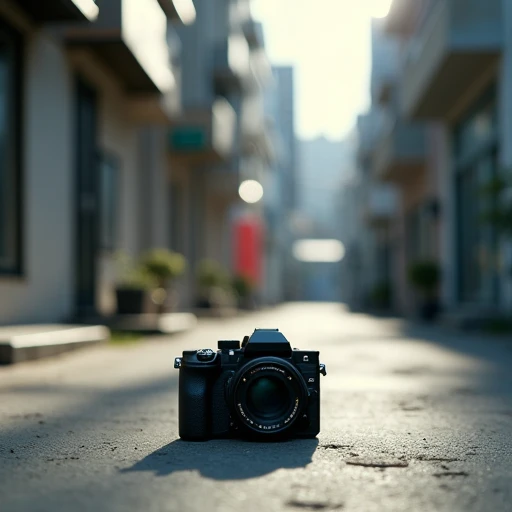
I went to Tokyo for eight days with one camera and one lens.
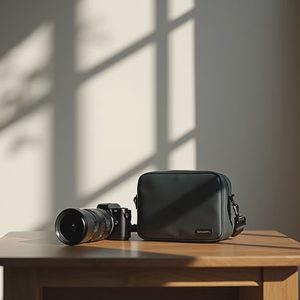
Not as a minimalist experiment or a social-media challenge. I simply decided, before I packed, that I would rather walk farther and look longer than carry a bag that made me calculate every movement. The lens was a 35mm equivalent prime. Nothing exotic. Just a focal length I already understood.
What I left at home: the zoom I usually reach for when I feel uncertain, the longer lens I tell myself I might need for “details,” and the spare body that mostly provides psychological comfort. What I brought back: a clearer sense of how much of my usual kit is insurance against indecision rather than actual requirement.
What the single lens forced me to do
With only one focal length you stop negotiating with the bag. You either walk closer or you accept the frame as it is. In a city as dense as Tokyo that constraint became useful almost immediately.
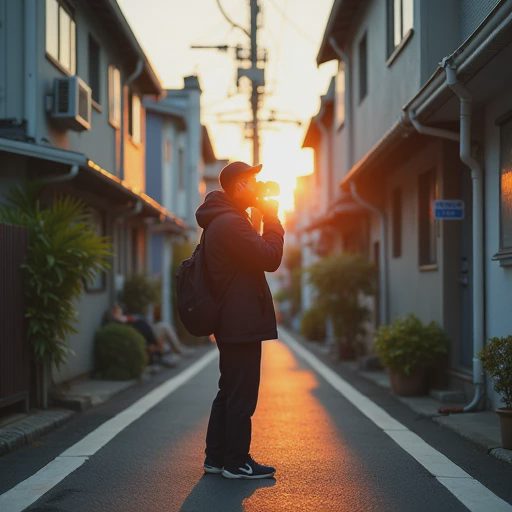
Narrow streets in Yanaka, the quiet residential lanes behind the main stations, the way light falls across a convenience-store window at different hours—I had to choose a position instead of zooming to approximate one. Some pictures I would have made with a zoom simply did not happen. Others happened because I was willing to wait or to move. The difference was not always better or worse. It was more deliberate.
I noticed how often I normally change focal length out of mild anxiety rather than clear intention. Having no option removed that particular habit. The camera stayed out of the way more than usual.
What I did not miss
I did not miss the weight. Eight days of walking, trains, and standing in short lines for coffee is easier when the bag is light. My shoulders and lower back were noticeably happier by the end of each day.
I did not miss the extra decision-making. When the light changed or a small scene appeared, there was nothing to choose. The lens was already on the camera. That small reduction in friction added up.
I also did not miss most of the frames I thought I would lose. The longer lens would have given me tighter details on signage or distant architecture. In practice I found other details at the distance the 35mm provided—textures at arm’s length, the way two people occupied a small patch of sidewalk, the repeated patterns of vending machines and utility poles. The city supplied more than enough at that single focal length.
What the limitation revealed
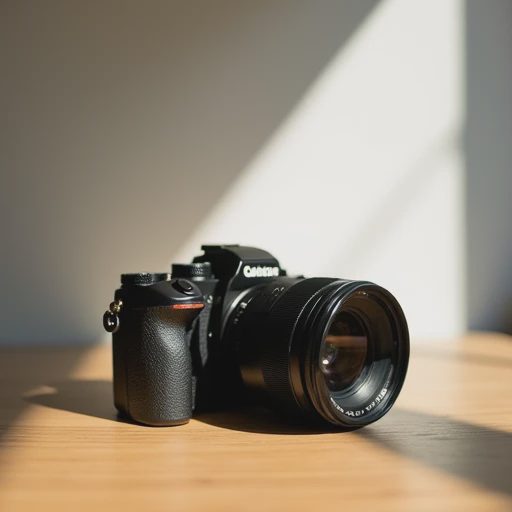
The exercise was not really about the lens. It was about how much of my usual preparation is designed to protect me from having to decide in the moment. Extra glass feels like competence. In reality it often just delays the moment of commitment.
Working with one lens for a week made the photographs more consistent in perspective. It also made the failures more obvious. When a picture did not work, I could not blame the wrong focal length. I had to look at light, timing, and whether I had actually seen the scene before I raised the camera.
That clarity is useful at home as well. Most of the work I do in Los Angeles does not require a wide range of focal lengths in a single hour. It requires attention. The Tokyo trip simply made the point harder to ignore.
A practical way to try it
You do not need to fly anywhere. Choose one lens you already own and trust. Use only that lens for a week of ordinary shooting—errands, walks, the kind of pictures you make without a client brief. Notice how often you reach for the bag out of habit. Notice what you start to see once the option to switch is gone.
At the end of the week look at the files and ask two questions:
Which pictures are stronger because I had to move or wait?
Which pictures did I simply not make, and do I actually regret them?
The answers are usually more instructive than any lens review.
I still own and use other focal lengths. I will continue to. But I no longer pack them by default. The best camera remains the one you understand. Sometimes understanding includes knowing how little you actually need to carry in order to keep looking.