The first thing most people do when they pick up a new camera is open the menu and start examining the specifications.
Megapixels, ISO range, autofocus points, buffer depth, video codecs. The numbers feel like knowledge. They are easy to compare and easy to argue about.
I used to do the same. Then I spent enough years measuring sensors and lenses, and enough years making pictures with them, to notice a quieter pattern: the photographs that worked were almost never the ones where the specifications had been decisive. They were the ones where the light had been understood first.
What “reading the light” actually means
It is not a poetic phrase. It is a practical sequence of observations you can make in any room or street in under a minute.
Where is the primary source?
How large is it relative to the subject?
What direction is it traveling?
How quickly does it fall off?
Is there a second source filling the shadows, and what color is it?
What will happen to all of this in twenty minutes?
These questions do not require a light meter or a histogram. They require the habit of looking before you reach for the camera. Once you can answer them, the camera’s job becomes simpler: record the decisions you have already made about exposure, position, and timing.

Why the specs come second
A high-resolution sensor cannot create shape that the light did not provide.
A fast lens cannot invent directionality that is not present.
Advanced subject detection cannot compensate for a subject placed in flat, lifeless illumination.
The specifications describe the camera’s capacity to record what is in front of it. They do not describe what is in front of it. When the light is considered, even a modest camera produces files that feel intentional. When the light is ignored, the most expensive camera produces files that feel empty, no matter how clean the noise profile is.
I have delivered client work from cameras that were no longer current and from cameras that had just been released. The difference the client noticed was never the sensor generation. It was whether the light on the subject had shape, whether the background fell away cleanly, and whether the moment had been chosen with care.
A small exercise that changes priorities
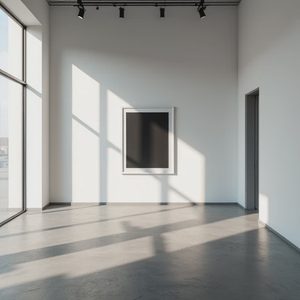
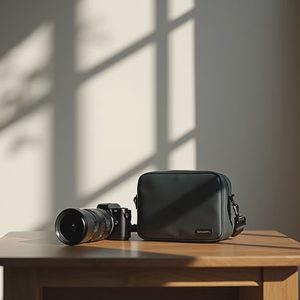
The next time you arrive at a location—whether it is a paid job, a personal walk, or simply the corner of your own living room—leave the camera in the bag for three full minutes. Walk the space. Stand where the subject might stand. Notice the windows, the practical lamps, the open doorways, the color of the bounce from nearby walls. Decide what the light is already doing well and what it is failing to do.
Only then take the camera out.
Most people discover that their first impulse (to raise the camera immediately and start adjusting settings) was premature. The more useful first act is to decide whether the existing light can be used, modified by simple movement, or needs to be replaced. That decision almost always improves the photograph more than any change in ISO or picture profile.
What this does to gear anxiety
When you treat light as the primary variable, the specification sheet loses much of its emotional power. You stop asking whether your camera is “good enough” in the abstract and start asking whether it can record the light you have already shaped. In the large majority of situations the answer is yes.
The remaining cases—extreme low light, very large print requirements, specialized motion work—are real and worth solving with specific tools. They are also far less common than the daily habit of blaming the camera for problems that began with unexamined illumination.
The habit that lasts longer than any body
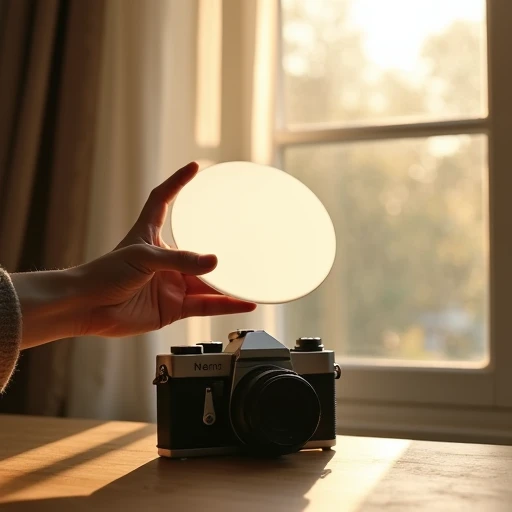
Cameras change. Menus are redesigned. New subject-detection modes appear. The behavior of light does not. A window still softens as its size increases relative to the subject. A bare bulb still creates hard shadows. Late-afternoon sun still travels in a predictable direction and warms as it drops.

Learning to read those behaviors is a form of understanding that transfers from one camera to the next without loss. It is also the part of photography that remains fully under your control regardless of budget.
I still read specification sheets. I still test equipment carefully. I simply refuse to let the numbers set the order of operations. Light first. Position and timing second. The camera third.
The best camera remains the one you understand.
Understanding begins by looking at the light before you look at the menu.