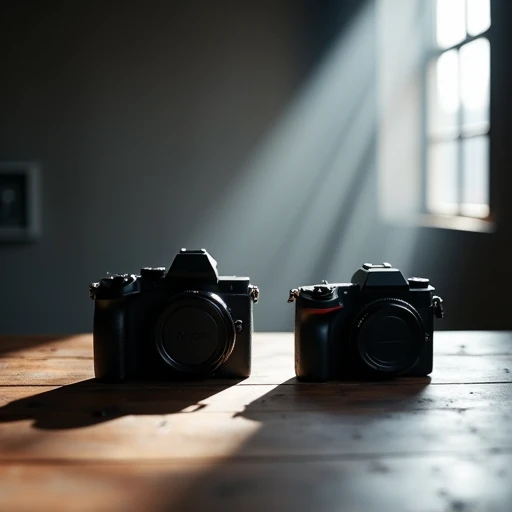
The question arrives in almost every beginner forum and group chat: “Should I get full frame or APS-C?”
It is the wrong question. Neither format is better in the abstract. Each one makes a different set of trade-offs. The useful question is which set of trade-offs matches the photographs you actually make and the way you actually work.
I measured both formats for years on the test bench and now use both on paid jobs. Here is the practical difference, without the usual tribal noise.
What the sensor size actually changes
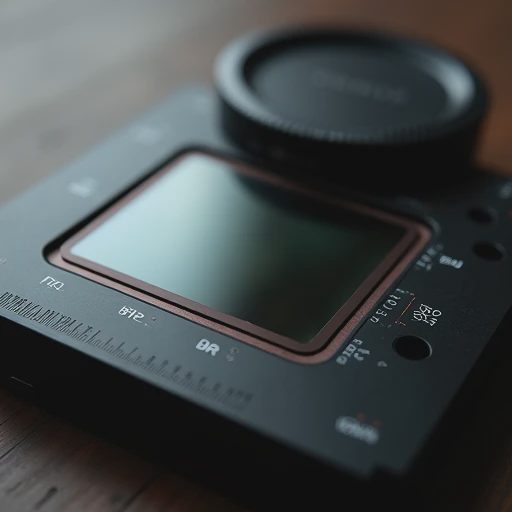
A full-frame sensor is roughly the size of a traditional 35mm film frame. An APS-C sensor is smaller—about two-thirds the linear size, depending on the exact brand.
Because the full-frame sensor is larger, each pixel can be larger for the same total megapixel count. Larger pixels generally collect more light, which improves performance when light is scarce. The larger sensor also makes it easier to achieve shallow depth of field at a given focal length and aperture. In short: full frame tends to give you cleaner high-ISO files and more background separation when you want it.
APS-C cameras, because the sensor is smaller, effectively multiply the focal length of any lens you mount (the common “crop factor” of roughly 1.5x or 1.6x). A 50mm lens behaves like a 75–80mm lens in field of view. This can be an advantage when you want more reach without buying longer glass. APS-C bodies and lenses are also frequently smaller, lighter, and less expensive.
Neither of these differences is magic. Both formats can make excellent photographs. The gaps show up at the extremes.
Where full frame tends to help
Low light that you cannot improve. If you regularly shoot events, receptions, or indoor work where flash is unwelcome and ISO has to climb, the cleaner files from a larger sensor are noticeable.
Shallow depth of field as a deliberate look. Full frame makes it easier to isolate a subject with a moderate aperture and a standard focal length.
Large prints or heavy cropping. More real estate on the sensor gives you more flexibility when the final output is demanding.

Where APS-C tends to help
Weight and size. A complete APS-C kit is easier to carry for a full day of walking or travel.
Cost. You can often get comparable build quality, autofocus performance, and lens options for less money.
Reach. Wildlife, certain sports, and some types of street work benefit from the crop factor without requiring longer, heavier lenses.
Depth of field when you want more of it. Landscapes, group photographs, and a lot of documentary work are easier when the format does not force everything into shallow focus.
The part most comparisons skip
Sensor size is only one variable. The quality of the lens, the competence of the autofocus system, the ergonomics of the body, and—most of all—the light you are given matter more on the majority of ordinary photographs.
I have delivered client work from both formats that the client could not tell apart. I have also seen full-frame files look ordinary because the light was flat and the lens was average, and APS-C files look excellent because the light was considered and the photographer knew the gear.
If you are deciding between two specific cameras, compare the actual files at the ISOs and apertures you use, the weight of the kit you would carry, the lenses you can afford, and how the camera feels in your hands after an hour. The format label is secondary.
A simple way to choose
Ask yourself three questions:
Do I regularly work in light that forces me to high ISO, and do I need those files to stay clean?
Is shallow depth of field a look I use on purpose, or do I more often need more things in focus?
How much does size, weight, and cost affect whether I will actually carry and use the camera?
If the answers point clearly toward low-light performance and subject isolation, full frame earns its keep. If the answers point toward portability, cost, and everyday versatility, APS-C is often the more rational choice.
Many working photographers use both. The decision is not permanent and it is not moral. It is practical.
The best camera is the one you understand. Understanding the real differences between formats is part of that. Declaring one “better” is not.