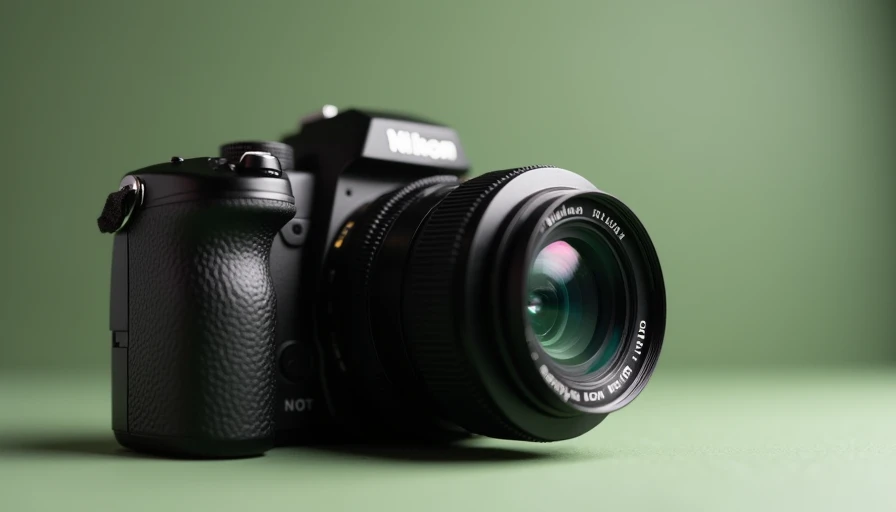
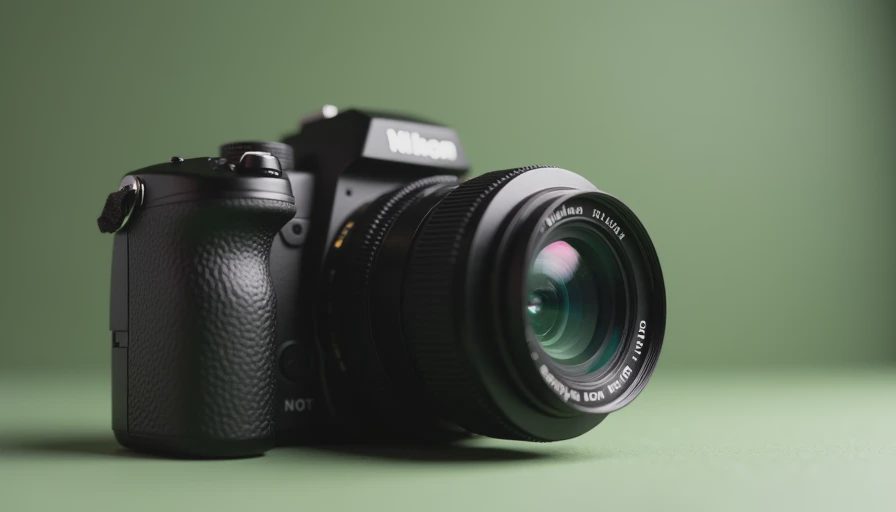
The search phrase nikon d3400 nikon usually comes from someone trying to identify, price, or understand Nikon’s compact entry-level DSLR. The name is awkward because “Nikon” appears on both sides of the model number, but the camera itself is straightforward. The D3400 is a small DSLR with a 24.2-megapixel sensor, an optical viewfinder, and beginner-friendly controls. It is not new, but it remains a useful learning tool when bought at a sensible price.
I have tested cameras on benches and used them in working situations, and the first thing I tell new photographers is simple: do not confuse age with uselessness. A camera can lack the newest menu system and still produce excellent photographs. The best camera is the one you understand, and the nikon d3400 nikon can be understood quickly.
What the D3400 actually offers
The D3400 uses an APS-C-sized sensor, which Nikon calls DX format. That sensor is substantially larger than the chip in a typical phone, especially in dim indoor scenes. Its 24.2-megapixel resolution gives you room to crop, straighten, and print without immediately running out of detail. For family portraits, travel, landscapes, pets, and school events, that is plenty of information.
The camera records JPEG files for easy sharing and RAW files for serious editing. A RAW file is an unprocessed record that gives you more flexibility with highlights, shadows, and white balance in software such as Adobe Lightroom, Capture One, or Nikon’s own tools. Beginners can start with JPEG and add RAW later. The nikon d3400 nikon is not demanding you become an editor on day one.
Its optical viewfinder is another practical advantage. Looking through the lens, rather than at a screen, makes it easier to follow a moving child, a cyclist, or a dog running across a park. The rear screen is useful for menus and basic framing, but this camera is designed around the viewfinder experience.
Where it performs well in real photographs
In daylight, the D3400 can make genuinely crisp images when paired with a decent lens and sensible technique. The standard 18-55mm kit lens covers a useful range: 18mm is wide enough for a room or landscape, while 55mm works for a casual portrait. At the wide end, keep people near the center if you want to avoid stretched-looking faces.
Low-light performance is respectable for its class, but expectations matter. The camera can use higher ISO settings than an older compact camera, yet a bright lens still helps. A 35mm f/1.8G DX lens is an especially good companion. It is often available for roughly $100 to $180 used, depending on condition and accessories, and its wider aperture lets in much more light than the kit zoom. That makes indoor photos less dependent on the pop-up flash.
Autofocus is suitable for ordinary movement, though this is not a sports specialist. For a child walking toward you, select a single focus point and keep it over the face or upper body. For fast action, newer mirrorless cameras track subjects more confidently. Still, the nikon d3400 nikon has enough responsiveness for learning timing and focus technique rather than simply blaming the equipment.
Handling, battery life, and everyday limitations
The body is light enough for a day of travel, and its grip feels reassuring in smaller or average-sized hands. Physical buttons give you access to exposure compensation, flash, and shooting modes without burying every decision in a touchscreen menu. The Guide Mode can explain settings in plain language, which is useful when aperture, shutter speed, and ISO still feel like separate languages.
Battery life is one of the camera’s quiet strengths. A charged battery can cover a substantial day of casual shooting, although heavy flash use, cold weather, and constant screen review reduce that figure. Carrying one spare battery is inexpensive insurance for travel or an event.
The limitations are equally clear. The D3400 does not have built-in Wi-Fi in the way many newer cameras do; it uses Nikon’s SnapBridge system through Bluetooth for compatible transfers. Video features are basic compared with current mirrorless models. The screen does not flip forward, and there is no in-body image stabilization. These are inconveniences, not automatic deal-breakers. For still photography, the nikon d3400 nikon remains more capable than its low used prices might suggest.
Which lens should you buy?
If the camera comes with the 18-55mm lens, use it for a week before buying anything else. That period teaches you which focal lengths you actually use. Many beginners discover that they enjoy portraits and indoor details, making the inexpensive Nikon 35mm f/1.8G DX a strong next purchase. Its field of view feels natural on the D3400, and its wide aperture creates softer backgrounds when you focus carefully.
For distant wildlife or outdoor sports, the Nikon 55-200mm or 70-300mm options provide more reach. The 55-200mm is smaller and easier to carry, while a 70-300mm lens can offer a longer working distance. Used prices often fall somewhere between $100 and $300, depending on the specific version and condition. Do not buy a telephoto because its number sounds impressive; buy one because you regularly need to fill the frame from far away.
A secondhand nikon d3400 nikon kit should be inspected for a clean sensor, smooth zoom movement, intact battery contacts, and a working flash. Ask for a test photo at a low ISO and a photo of a plain bright wall. Dust spots usually clean up, but scratches on the front element, sticky controls, or a damaged lens mount deserve caution.
Is it still worth buying?
The answer depends on the price and your purpose. A clean body with the kit lens can make sense around the lower used-market range, particularly if you want an inexpensive first interchangeable-lens camera. At noticeably higher prices, compare it with newer used Nikon DSLRs such as the D3500 or with entry-level mirrorless options from Canon and Sony. The nikon d3400 nikon should win because it fits your budget and learning goals, not because a listing uses enthusiastic language.
Before purchasing, test the shutter, autofocus, memory-card slot, viewfinder, screen, and all command dials. Take several exposures at different shutter speeds. Check that the images save correctly and that the lens focuses at both its near and far distances. A reputable used dealer may cost more than a private listing, but a return window can be worth $30 to $75 in peace of mind.
A sensible first setup
Start with the D3400, the 18-55mm kit lens, one spare battery, a 32GB or 64GB SD card, and a small shoulder bag. Set the mode dial to Aperture Priority, use auto ISO, and choose a single autofocus point. Practice changing aperture while photographing the same subject at f/3.5, f/5.6, and f/8. Then review how background blur, sharpness, and shutter speed change.
After that, photograph the same scene in morning light, open shade, and an indoor room. You will learn more from those comparisons than from another hour of reading specifications. The nikon d3400 nikon can teach exposure, composition, focal length, and focus without putting expensive equipment between you and the subject.
I would not choose it for demanding professional video, fast wildlife tracking, or a long-term investment in the newest autofocus system. I would choose it for a patient beginner who wants real controls and clean image quality at a modest cost. Learn the camera, add one lens only when a limitation becomes obvious, and let your photographs—not upgrade anxiety—decide what comes next.