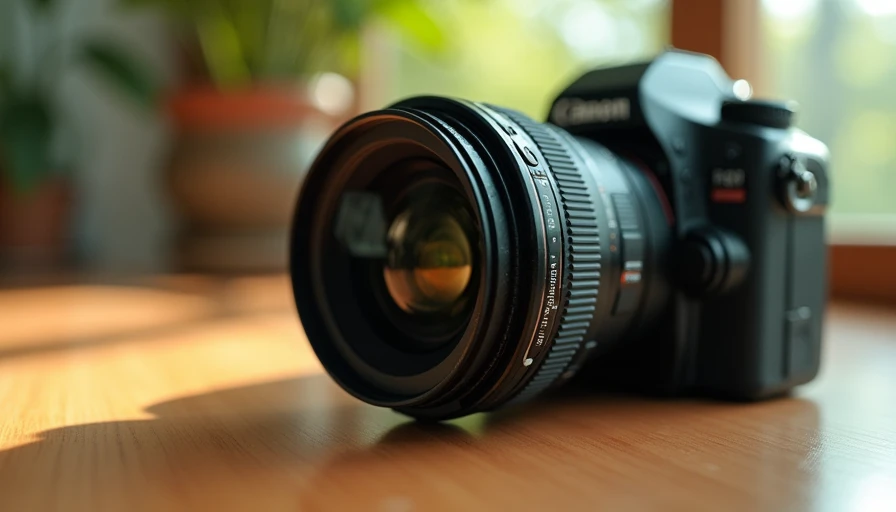
If you're looking at the Sigma 18-50, the question is usually not whether it looks impressive on paper. It is whether it solves a real problem: carrying one lens that is bright enough for indoor shooting, small enough to stay on the camera, and cheap enough that you do not feel like you need to baby it. That is where this lens makes sense. I have used versions of this setup on jobs where I wanted fast framing changes without dragging a full bag, and the appeal is still the same. The best camera is the one you understand, and the same is true for lenses.
The short version is that this is an APS-C standard zoom with a constant f/2.8 aperture. APS-C means a smaller sensor size than full frame, which matters because lenses can be lighter and less expensive while still giving you a very useful field of view. Constant f/2.8 means the lens stays at the same brightness as you zoom, so you are not losing light at the long end the way you do with most kit zooms. That does not make it magic. It does make it practical for travel, family photos, indoor events, and everyday work when you want one lens that covers a lot without feeling like a brick.
Why the focal range works in real life
The 18-50 range is simple, and that is part of the appeal. At the wide end, 18mm gives you enough room for interiors, environmental portraits, street scenes, and group shots. At 50mm, you get a tighter view that flatters faces more naturally and helps separate a subject from the background. You are not jumping from ultra-wide drama to long-telephoto compression. You are staying in the zone that most people actually use.
That matters because the middle of the zoom range is where a lot of real photography happens. On a weekend trip, I want one lens that can handle a coffee shop table, a storefront, then a quick portrait without forcing a lens swap. On a client shoot, I want to move from full-body frames to tighter crops without making the subject wait. Sigma 18-50 fits that working rhythm well, especially if you are still learning how focal length changes the look of a photo.
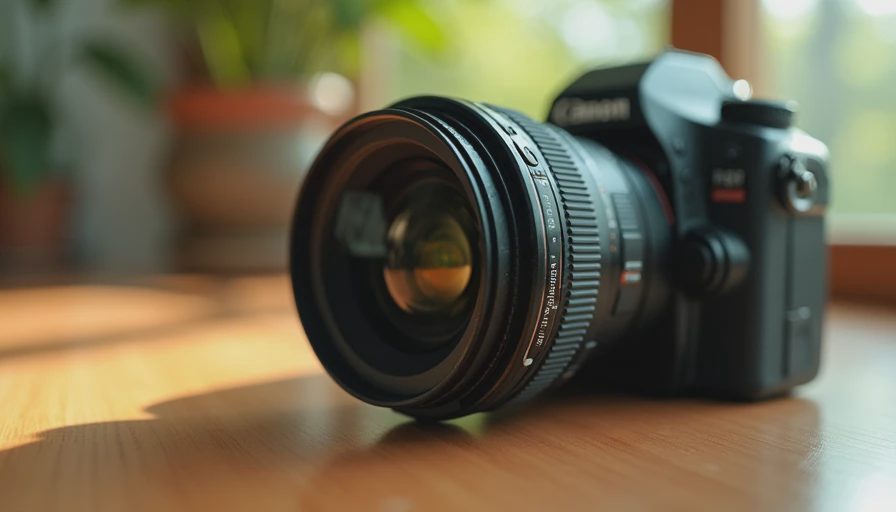
The other benefit is size. This is not a huge lens, and on many mirrorless bodies it feels balanced instead of front-heavy. That sounds like a small detail until you compare it with a bigger constant-aperture zoom and realize you are less likely to leave the camera in the bag. Gear that gets carried is gear that gets used.
Where it beats a kit zoom
A kit zoom is fine for plenty of people, but the Sigma 18-50 gives you two practical upgrades right away: more light and better consistency. Most kit zooms open to f/3.5 at the wide end and get darker as you zoom in. That means higher ISO in dim rooms, slower shutter speeds, and less background blur when you want a cleaner portrait. The brighter aperture here is not a luxury spec. It helps you keep ISO down and makes handheld indoor shooting less annoying.
Price is part of the story too. New copies often land around the mid-$500 range, and used copies commonly show up in the low $400s. That puts it in a sweet spot: more serious than a cheap starter lens, but far below many pro-grade alternatives. For example, the Sony 16-55mm f/2.8 G and Fuji 16-55mm f/2.8 are excellent lenses, but they cost much more. Tamron's 17-70mm f/2.8 gives you more reach, though it is larger. If you want compact first and foremost, Sigma 18-50 is the one that keeps its place in the bag.
It is also a good buy if you are building a system slowly. You can pair it with a small prime later, but you do not need to rush into a whole lens set just to cover your everyday range. For a lot of shooters, that keeps the money in the account and the learning curve manageable.
What you give up to get the small size
Every compact zoom has tradeoffs, and this one is no exception. The biggest is that there is no optical stabilization built into the lens. Optical stabilization means the lens itself helps reduce blur from your hand movement. If your camera body has in-body stabilization, that helps. If it does not, you will rely more on good shutter speed and steady technique. For stills, that is easy enough to work around. For video, you will notice the difference more quickly.
You also give up the longer telephoto reach that a 55mm, 70mm, or 135mm zoom offers. Fifty millimeters on APS-C is useful, but it is not a portrait monster and it is not a wildlife lens. If your work is mostly outdoor sports, birds, or distant candids, this is not the tool. It is a normal zoom that lives in the everyday range, and that is exactly why it works so well for so many people.
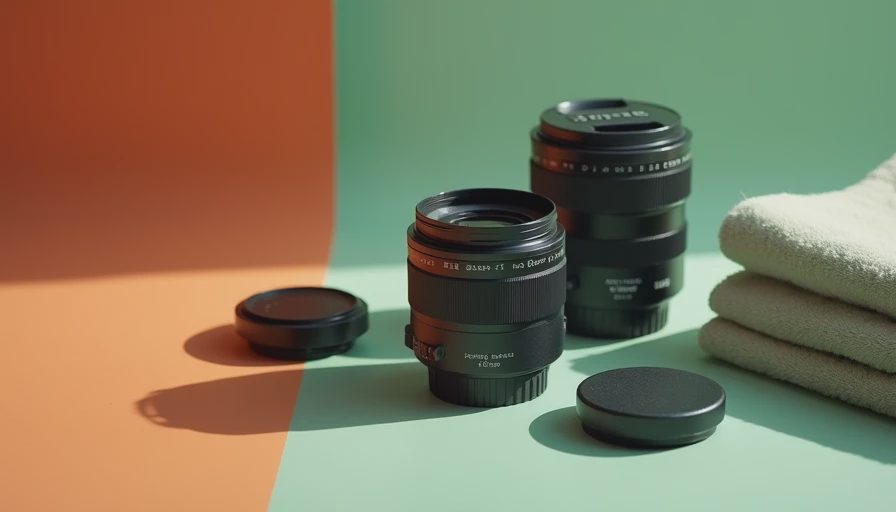
The build is sensible rather than luxurious. That is not an insult. In hand, it feels like a well-made working lens, not a trophy. Autofocus is quick enough for family, travel, and most casual action, and the focus behavior is predictable, which matters more than people think. I would rather have a lens that locks on consistently than one that sounds impressive in a forum thread.
Who should buy it first
Sigma 18-50 makes the most sense for a photographer who wants one good APS-C zoom instead of a whole stable of slower starter lenses. If you shoot a mirrorless body from Sony, Fujifilm, or Canon in the compatible mount, and you care about size as much as image quality, it is easy to recommend. It is also a strong choice for someone who mostly shoots people, travel, food, everyday scenes, or small events and wants a lens that can stay on the camera all day.
It is less compelling if you already own a fast standard zoom with more reach, or if your style depends on shallow depth of field at portrait distances and telephoto compression. In those cases, a different zoom or a fast prime may fit better. But if you are trying to reduce decision fatigue and carry less gear, Sigma 18-50 is one of the simplest answers in the APS-C market. It gives you enough range, enough speed, and enough image quality to stop thinking about the lens and start thinking about the picture.
If you are shopping now, compare the street price with the used market, look at whether your body has stabilization, and decide how much reach you really need. For a lot of photographers, the answer is surprisingly straightforward: Sigma 18-50 covers more real work than most people expect, without asking you to pay for more lens than you will use.