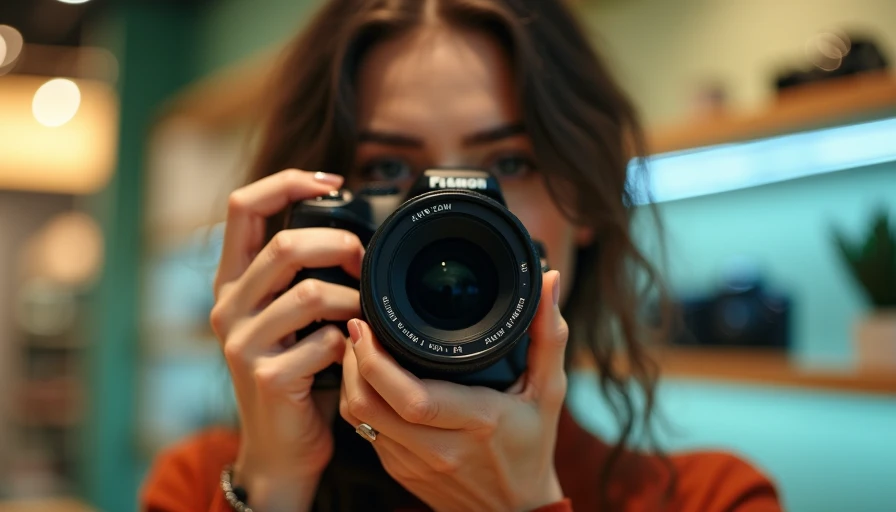
The sigma 18-50mm f2.8 is the kind of lens I recommend when someone wants one compact zoom that can do real work without making an APS-C body feel oversized. I have used it on Sony and Fujifilm bodies, and the appeal is simple: useful range, a constant f2.8 aperture, and a size that stays comfortable in a shoulder bag all day. It is not trying to be the fanciest lens on the table. It is trying to be the one you actually carry, which is usually the more important test. For a lot of photographers, that matters more than adding another bright prime to the shelf.
Why the sigma 18-50mm f2.8 feels so balanced on APS-C
On paper, the range looks modest. In practice, it covers a lot of the work most people do in a normal week. On an APS-C camera, 18-50mm gives you a view that starts around a wide 27mm equivalent and ends near a short telephoto. That means you can frame a room, a table, a portrait, or a street scene without constantly swapping lenses. The constant f2.8 matters because the exposure stays the same as you zoom, which keeps your shutter speed and ISO choices more predictable.
What sold me was not just the spec sheet. It was the way the lens behaves like a tool rather than a trophy. At roughly 290 grams, it feels planted but never heavy. The 55mm filter thread keeps front-end cost low, and the short barrel makes the whole setup look and handle like a camera, not a brick. On the bench, that kind of balance usually tells me a lens will spend more time in use and less time waiting in a drawer.
On the job, the range earns its keep quickly
This is the sort of lens that makes sense when your day changes shape. I have seen it work for environmental portraits, travel notes, café details, indoor family photos, and simple video clips where you want one lens and a small bag. At 18mm, you can catch a storefront or a full table without backing into a wall. At 50mm, you get enough compression for a cleaner portrait and a nicer background blur than most kit zooms can manage.
The other thing it does well is reduce decision fatigue. A beginner does not need to wonder whether a 23mm or 35mm prime would have been better for a walk around town. A more experienced shooter does not need to build a three-lens kit for a weekend trip when one zoom gets most of the frames. I have watched people spend more time packing than photographing. This lens cuts through that habit and gets them back to taking pictures.
The tradeoffs worth paying attention to
There are three tradeoffs I think about before I recommend the sigma 18-50mm f2.8 to anyone. First, it does not have optical stabilization, so on a body without in-body stabilization you will still need to watch your shutter speed in dim light. Second, it is not weather sealed, which means I would not treat it like a rain-soaked workhorse. Third, it is an APS-C lens, so it is not the right buy if you already know you are moving to full frame soon.
None of that makes it weak. It just means the lens is honest about its lane. If you shoot indoors, stabilization in the body helps, and if your camera has it, this lens benefits from it immediately. If you work in clean, controlled spaces, the lack of sealing is easy to live with. If you want a small lens that rewards thoughtful technique instead of hiding every mistake, the sigma 18-50mm f2.8 fits that brief very well.
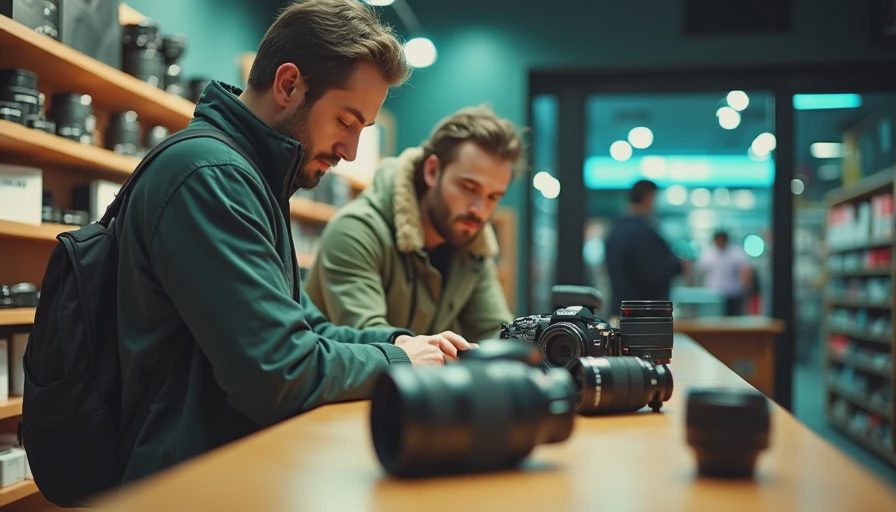
Who should buy it and how I would shop for it
If you use a Sony E, Fujifilm X, or Canon RF-S body and want one everyday zoom, this is one of the first lenses I would price-check. New copies often land around the $500 mark, and sales or used listings can shave off another $75 to $150 depending on condition and mount. That puts it in a sweet spot where it costs more than a budget kit lens, but usually less than building a small prime kit one lens at a time.
I would especially point a newer photographer here if they feel stuck between convenience and image quality. This lens gives enough sharpness, enough speed, and enough flexibility to cover portraits, travel, casual events, and behind-the-scenes work without much drama. It also pairs nicely with bodies like the Sony a6400 or a6700, the Fujifilm X-S20, or Canon APS-C cameras that already handle low light well. If you want one lens to teach you more about your APS-C body, the sigma 18-50mm f2.8 is an easy place to start. The best camera is the one you understand.
A quick buying checklist before you choose the sigma 18-50mm f2.8
Before you place an order, match the lens to your camera and your shooting habits. Make sure your body uses the right mount and that you are buying the APS-C version, because this lens is built to stay small and light on a crop-sensor setup. If your camera does not have in-body stabilization, plan to keep your shutter speed a little higher indoors or lean on better light when you can. If you shoot video, think about whether compact size matters more than stabilization, since this lens keeps the rig simple but does not add optical stabilization on its own.
I would also think about the next two years, not just today. If you expect to stay with APS-C, the sigma 18-50mm f2.8 is the kind of purchase that pays off every time you leave the house with just one lens. If you are already planning a full-frame switch, rent first or save the money for that move instead. For the right shooter, the value is in how often it gets used.