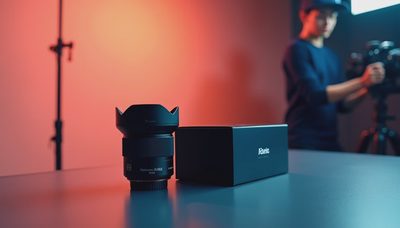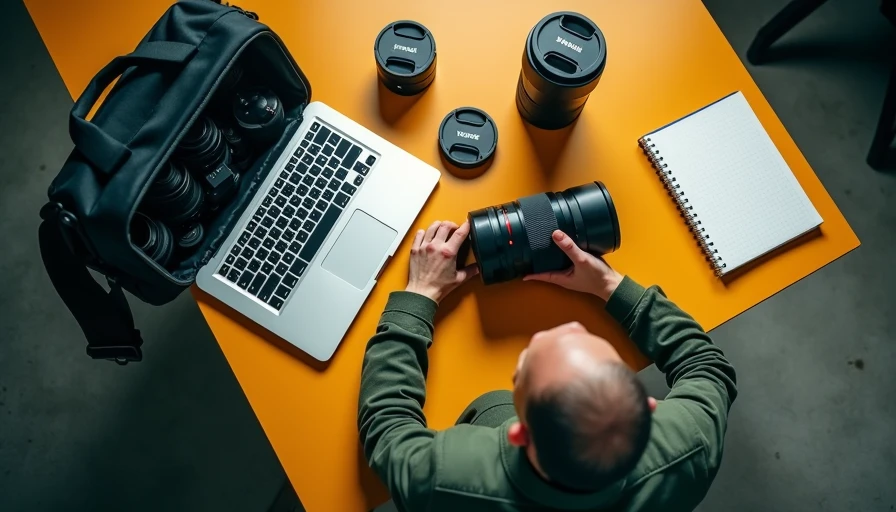
If you are weighing the sony 24-70 gm ii, the first thing to know is simple: this is not a lens built to impress spec-sheet surfers. It is built to make a working day easier. Sony took the standard pro zoom formula and trimmed the weight, tightened the focus behavior, and cleaned up the handling in a way you can feel the first time you sling a camera over your shoulder. On a long shoot, that matters more than a dramatic headline number. The best camera is the one you understand, and the same is true for a lens.
why the sony 24-70 gm ii feels so much smaller than the original
The original 24-70mm GM was already good optically, but it was a chunky piece of glass at 886 grams. The newer version drops to about 695 grams, and that difference is not theoretical. It changes how the camera sits in a bag, how fast you bring it to your eye, and how tired your wrist feels after an hour of walking. In plain English, Sony removed a lot of bulk without turning the lens into a toy. The barrel still feels professional, the controls are firm, and the overall balance is much better on bodies like the a7 IV or a7R V.
That lighter build also changes how often you actually bring it with you. I have watched photographers carry heavier lenses out of the hotel room and then leave them in the car by lunchtime. A zoom that is easier to live with gets used more often, and that is worth money. The sony 24-70 gm ii costs around $2,200 new, so it is still firmly in pro territory, but the weight reduction makes it easier to justify than the older version if you shoot all day or travel with one body and one lens.

how the optics and autofocus show up in actual files
On my a7 IV, the sony 24-70 gm ii focuses the way a good tool should: quickly, quietly, and without making you think about it. Sony uses XD linear motors here, and the practical result is strong subject acquisition for portraits, events, and everyday work. If you are shooting a person moving toward camera, the lens keeps up well. If you are shooting video, the quieter operation helps, and the lens is designed to keep focus breathing low, which matters when you rack focus between subjects.
Optically, this is one of those lenses that looks boring on paper and satisfying in real photos. Sharpness is strong at f/2.8, contrast is high, and the corners are much better than many zooms in this class. I would not buy it because of a lab graph alone. I would buy it because faces look crisp, detail stays organized in busy scenes, and the files hold together when you crop. That is the kind of performance that saves time in post, especially if you shoot editorial, weddings, or content where the frame has to work the first time.
where the sony 24-70 gm ii earns its keep
This lens makes the most sense when your day jumps between subjects. One minute you are at 24mm for a room shot, the next you are at 50mm for a candid, and then you are at 70mm for a tighter portrait. That flexibility is the whole point of a 24-70. With the sony 24-70 gm ii, the zoom range feels useful rather than compromised. The close-focusing behavior is also better than many people expect from a standard zoom, so you can get more creative with food, products, rings, shoes, or detail shots without swapping lenses every ten minutes.

For travel, the lens is easier to justify if you hate carrying a bag full of options. For weddings and events, it is the safe choice when you need one lens that can cover a reception room, a table shot, and a quick portrait without drama. For commercial work, I like it when a client wants consistency across a set and I do not want to keep changing focal lengths. It is not a specialty lens, and that is exactly why it gets so much use. It solves a lot of normal problems well.
who should buy it, and who should save money elsewhere
Buy this lens if you already know you live in the 24 to 70mm range and you want the cleanest, lightest, most confident version Sony makes. If you are upgrading from the original GM, the weight drop alone can feel like a quality-of-life improvement. If you are comparing it with something like the Tamron 28-75mm G2, ask yourself whether you want the extra premium feel, the wider 24mm end, and the more polished autofocus. If you do not need those things, the cheaper lens may be the smarter buy.
I would also think carefully before buying it as a first lens if your budget is tight. A used copy often lands somewhere around the mid-$1,500s to under $1,900 depending on condition, which is still a lot of money. But if you shoot clients, sell prints, or want one lens that can handle most assignments, this is an easy lens to understand and trust. That is the real value. The sony 24-70 gm ii is not about hype; it is about making your camera feel ready for work every time you pick it up.