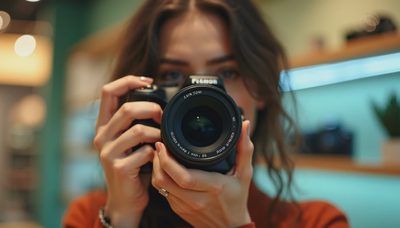
You do not need a $3,000 camera and a bag full of glass to make strong photographs.
You need a reliable body, one or two capable lenses, and a clear sense of what you actually photograph.
I am going to outline a realistic setup that stays near $800 (used or carefully chosen new) and still handles the large majority of everyday work—travel, family, street, simple portraits, and even light professional jobs. This is not the “best” setup. It is a setup that removes most of the usual limitations without requiring you to chase the latest model.
The core idea
Most photographs fail because of light, timing, or decisions—not because the sensor has 24 megapixels instead of 45, or because the lens is an f/4 zoom instead of an f/1.4 prime. A modest, well-understood kit that you can carry and operate confidently will outperform an expensive kit you only half understand.
The goal is simple: cover the focal lengths you use most, keep the files clean enough for normal use, and leave enough money and attention for practice.
A practical $800-ish combination
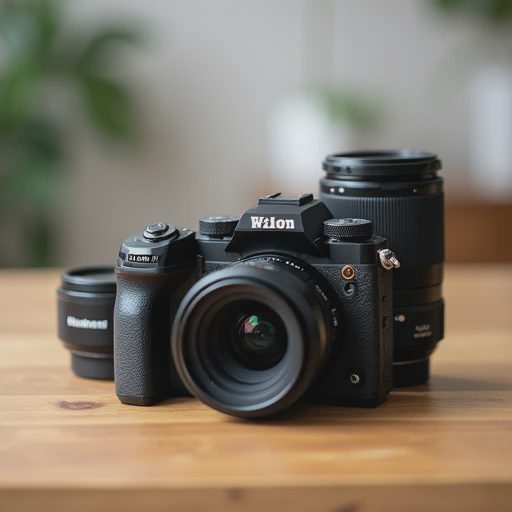
Prices fluctuate, especially on the used market, but the following type of kit regularly lands near or under $800 when bought with care:
Camera body:
A recent APS-C mirrorless body from the last several years (used or refurbished).
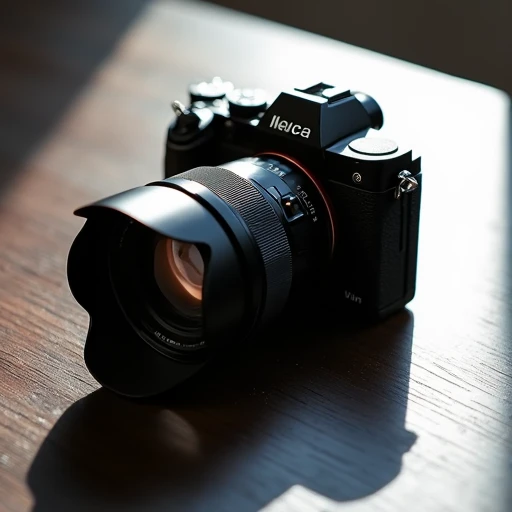
Look for reliable autofocus, decent high-ISO performance, and a viewfinder you can live with. You do not need the newest model. You need one that still receives support and has proven itself on real jobs.
Lens 1 (the workhorse):
A standard zoom in the 18-55mm or 16-50mm range, preferably with a constant or near-constant aperture around f/2.8–f/4.
This single lens covers the majority of walking-around, travel, and general photography. Most people do most of their shooting inside this range whether they realize it or not.
Lens 2 (optional but useful):
A simple fast prime—35mm or 50mm equivalent, f/1.8 or close.
This gives you low-light ability and shallower depth of field when you want it, without adding much weight or cost.
Extras that actually matter:
Two batteries, a couple of good cards, and a plain strap or small bag. Skip the expensive filters and the three extra lenses “just in case.”
That combination will handle:
Daylight and available-light indoor work
Travel and street photography
Casual portraits and family work
Simple event coverage
Online use and normal-sized prints
It will not replace a high-end full-frame kit for large exhibition prints or extremely low light at high frame rates. For 90% of what most people actually shoot, it is enough.
Why this works better than the usual advice
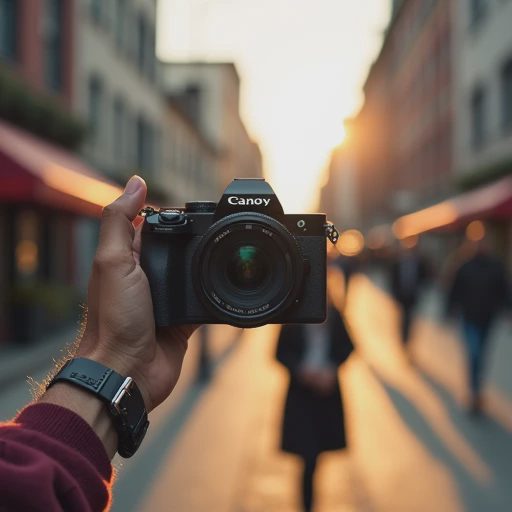
Many beginner kits either go too cheap (poor autofocus, slow lenses, frustrating ergonomics) or jump straight to full-frame systems that cost more than necessary and add weight. The middle path—solid APS-C body plus one good zoom and one fast prime—gives you capability without excess.
I have watched people spend three times this amount and still feel limited because they never learned the gear they bought. I have also watched people do excellent client work with kits in this range because they knew exactly what the camera and lenses would do in difficult light.
How to decide if you need more
After you have used a setup like this for several months, ask only these questions:
Are the files falling apart at the ISOs I actually need?
Am I regularly missing shots because the autofocus cannot keep up?
Do I need longer reach or wider coverage often enough that it affects the work?
Am I printing large enough that resolution becomes a visible limit?
If the answers remain no, stay put. Put the money into time, travel, or a single better lens later. If a clear, repeated limitation appears, then upgrade that specific part—not the entire system.
One final practical note
Buy used from reputable sources when you can. A two- or three-year-old body in good condition will do the same work as a new one for most purposes and leave you room in the budget for the second lens. Learn the menu, set up the buttons the way you like, and then stop thinking about the camera.
The best camera is the one you understand.
An $800 kit you know thoroughly will take you further than a $3,000 kit you are still afraid of.