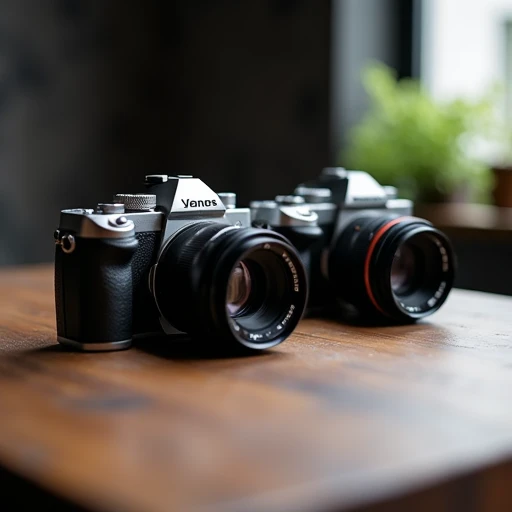
Buying a camera or lens used is one of the most practical ways to get capable equipment without overspending. It is also the decision that makes many people most anxious. Stories of hidden shutter counts, dust on sensors, and sellers who disappear circulate easily. Most of those stories are either outdated or incomplete.
I have bought and used a lot of gear second-hand. I have also tested enough cameras and lenses to know what actually fails and what simply shows normal signs of use. Here is a calm way to decide between used and new, and how to buy used without regret.
When used is the rational choice
Used gear makes sense when:
The model has been on the market long enough for common problems to be known.
You can verify the critical parts (shutter count on bodies, aperture blades and focus on lenses, overall cosmetic and mechanical condition).
The price difference is large enough to matter to your budget.
You are comfortable with the idea that cosmetic wear does not equal functional failure.
In these situations a well-chosen used body or lens will do the same work as a new one for most photographers. The money you keep can go toward a second lens, better support gear, or simply staying out of debt.
When new is the safer choice
New is often wiser when:
You need the latest autofocus system or video features that older models simply do not have.
The camera is so new that used examples are scarce or priced close to retail.
You want the full manufacturer warranty and the simplest possible return process.
You are buying a complex lens (especially certain zooms or fast primes) where sample variation or prior abuse is harder to detect remotely.
There is no moral advantage to either path. There is only fit for your actual needs and risk tolerance.
What actually matters when inspecting used gear
Camera bodies
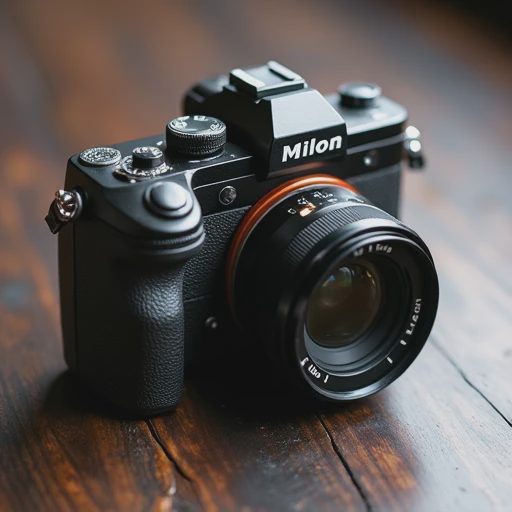
Shutter count: useful, but not the only number. A body with 50,000 actuations that has been well cared for is often a better buy than one with 8,000 actuations that has been neglected. Know the rated lifespan for the model and treat it as a guideline, not a cliff.
Sensor: look for deep scratches or persistent dust that does not come off with a proper cleaning. Minor dust is normal and cleanable.
Ports, buttons, and dials: they should operate smoothly and without intermittence.
Viewfinder and rear screen: check for damage, dead pixels, or haze.
Battery and charger: confirm they are included and functional.
Lenses
Aperture blades: should be dry, clean, and free of oil.
Focus and zoom rings: smooth, without grinding or excessive play.
Glass: check for fungus, separation, heavy coating damage, or scratches in the center. Small dust inside is extremely common and rarely affects images.
Mount: should be clean and undamaged so the lens communicates properly with the camera.
Image stabilization (if present): listen and feel for normal operation.
Cosmetic wear on the exterior—paint wear, small dings, worn rubber grips—is normal and usually irrelevant to performance.
How to buy without drama
Purchase from sources that offer some form of return period or buyer protection whenever possible. Reputable used dealers, certain manufacturer refurbished programs, and established platforms with clear return policies reduce risk dramatically. Private sales can be fine if you can inspect in person or if the seller provides detailed, well-lit photographs and honest answers, but the margin for error is smaller.
Ask for the shutter count, original purchase date if known, and a short description of how the item was used. Clear, specific answers are a good sign. Vague or defensive answers are not.
Once the gear arrives, test it promptly and thoroughly. Shoot at a range of apertures and focus distances. Check the sensor. Run the autofocus through its paces. If something is wrong, use the return window without hesitation.
The real risk most people overestimate
Catastrophic hidden failure is less common than internet stories suggest. The more ordinary risk is simply buying something that is cosmetically rougher than you expected or that has more shutter actuations than ideal. Both are manageable if you inspect carefully and price the item accordingly.
I still use multiple pieces of equipment that I bought used. Some show obvious external wear. All of them continue to make clean, professional files. The previous owners’ care (or lack of it) is visible in the details if you know where to look, and most functional problems announce themselves quickly once you start shooting.
A simple decision framework
If the used example is significantly cheaper, comes from a protected source, and passes a careful check of the points above, it is usually the better financial decision. If the savings are small, the model is very new, or you need maximum peace of mind and the latest features, buy new.
Either way, the goal is the same: get a tool you understand and then go make photographs with it. The new-versus-used distinction matters far less than whether the camera or lens actually leaves the bag.
The best camera remains the one you understand. That camera can arrive in a pristine box or in a well-worn one. The pictures do not know the difference.