Walk into any camera conversation online and you’ll hear the same question within the first minute: “How many megapixels does it have?”
It sounds scientific. It feels decisive. And for most of the photographs people actually make, it is one of the least useful numbers on the entire specification sheet.
I’m going to explain why, in plain language, and then show you the measurement that tends to matter more.
What a megapixel actually is
A megapixel is simply one million pixels. A 24-megapixel sensor has roughly 24 million tiny light-collecting sites arranged across its surface. A 45-megapixel sensor has about 45 million. That is the entire technical definition.
More pixels let you crop more aggressively or print larger while still looking sharp from a normal viewing distance. That is real. It is also the only reliable advantage higher megapixel counts give you.
Everything else people attach to the number—better detail, cleaner images, more professional results—is either overstated or outright wrong.
The quiet cost of more pixels
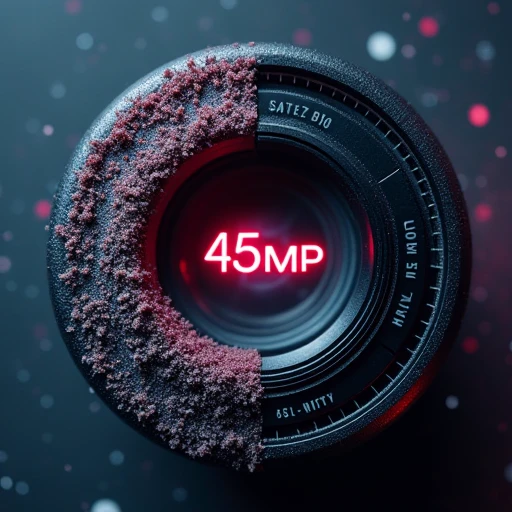
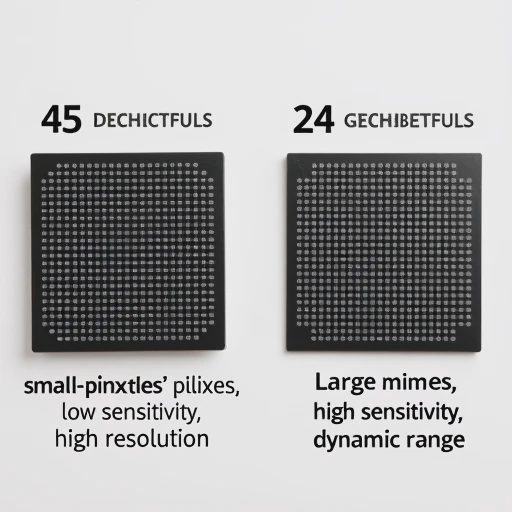
When manufacturers put more pixels on the same size sensor, each individual pixel has to get smaller. Smaller pixels collect less light. Less light means more noise when the light gets low, and more pressure on the lens to resolve the finer detail those tiny pixels are trying to record.
In other words, a jump from 24 to 45 megapixels on the same sensor format does not automatically give you a better image. It often gives you a more demanding image. The lens has to be sharper. Your technique has to be cleaner. And when the light drops, the files can actually look worse than those from a lower-resolution camera with larger pixels.
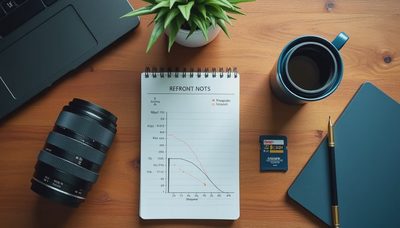
I watched this trade-off play out for years on the test bench. We would measure resolution charts under perfect light and the higher-megapixel sensors would win. Then we would take the same cameras into real lighting conditions and the advantage frequently disappeared—or reversed.
The number that predicts more
If I could keep only one specification when evaluating a camera for everyday photography, it would not be megapixels. It would be the size of the sensor itself, combined with the size of the individual pixels on that sensor.
A larger sensor with reasonably sized pixels generally gives you cleaner files in low light, more control over depth of field, and more forgiving behavior when the exposure is not perfect. That combination shows up in real photographs far more often than the ability to crop a 45-megapixel file down to 24 megapixels.
This is why a well-used APS-C camera from a few years ago can still produce files that look excellent on screen and in print, while a brand-new high-megapixel body in the hands of someone chasing resolution can look busy and noisy under the same conditions.
What actually improves your photographs
Light.
Lens quality.
Focus accuracy.
How steady you hold the camera.
Whether you understand the exposure you’re making.
None of those improve automatically when the megapixel count goes up. Some of them get harder.
If you are deciding between two cameras and one has significantly more megapixels, ask a different set of questions first:
How big is the sensor?
How large are the individual pixels?
How does the camera behave at the ISOs I actually use?
Is the lens I plan to put on it sharp enough to take advantage of the extra resolution?
Do I regularly need to crop heavily or make very large prints?
If the honest answers do not point clearly toward the higher-megapixel option, you are probably safe ignoring the number.

A practical way to think about it
Treat megapixels the way you treat horsepower in a car. More can be useful in specific situations. Most of the time, the rest of the engineering—and how you drive—matters more.
The best camera is still the one you understand. Understanding starts with knowing which numbers are worth your attention and which ones are mostly noise.