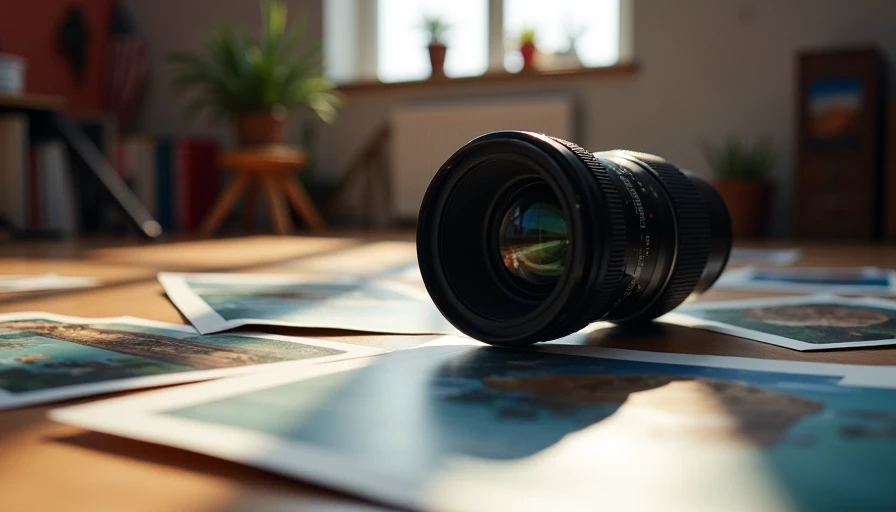
The Sigma 10-18mm is one of those lenses that looks straightforward on a spec sheet and becomes more interesting once you use it. Designed for APS-C mirrorless cameras, it offers an ultra-wide field of view, a constant f/2.8 aperture, and a body small enough to leave mounted while traveling. I have spent enough time testing lenses on benches and using them on actual assignments to know that those three facts matter more than a dramatic sharpness chart. The real question is whether this zoom fits the way you photograph.
Sigma’s full name is the 10-18mm F2.8 DC DN Contemporary. The focal-length range covers wide landscapes, interiors, architecture, group photos, and environmental portraits. On a Sony a6700, Fujifilm X-S20, or similar APS-C body, 10mm feels genuinely expansive, while 18mm is useful for a more natural composition. It is not a general-purpose walk-around zoom, but it can become the lens that makes cramped spaces and big skies possible.
What the Sigma 10-18mm is actually built for
The Sigma 10-18mm is an APS-C lens, which means it is designed around smaller sensors rather than full-frame cameras. On Sony E, Fujifilm X, Canon RF, and other supported mounts, the angle of view is similar to roughly 15-27mm on full frame, depending on the camera system’s crop factor. That comparison is useful because many photographers understand full-frame focal lengths more easily than sensor terminology.
The f/2.8 aperture stays available across the entire zoom range. In plain English, the lens can gather more light than a typical variable-aperture kit zoom, and it can create a little more background separation at close distances. It will not turn an ultra-wide shot into a heavily blurred portrait, but it helps in museums, evening streets, receptions, and interiors where raising ISO too far would soften fine detail.
The lens is also notably compact. Sigma lists the weight at about 260 grams for some versions, with small differences between mounts. That is light enough to pair comfortably with a travel body, and the short physical length makes it less intrusive on a gimbal or small camera bag.
How it handles in real photographs
At 10mm, composition becomes the main technical challenge. Wide lenses do not magically make a room look beautiful; they show more of everything, including crooked furniture, bright windows, and empty floor. The Sigma 10-18mm rewards careful positioning. Keep vertical lines close to the center or correct them later, and avoid placing faces near the corners unless you want noticeable stretching.
For landscapes, 10mm works best when you give the foreground a job. A rock, trail, fence, or patch of grass can lead the eye into the frame. Pointing the lens at a distant horizon without foreground interest often produces a photograph that feels spacious but uncommitted. At 18mm, the scene becomes calmer and easier to organize, which is why I use the long end more often than beginners expect.
Autofocus is generally quiet and quick on current mirrorless bodies, making the lens suitable for video and candid work. That does not mean every camera will focus identically. Your body, subject contrast, and lighting all influence performance. For still subjects, autofocus is uncomplicated; for moving subjects at 10mm, depth of field is generous, but framing and timing still matter more than the lens’s focusing motor.
Sharpness, distortion, and image corrections
The Sigma 10-18mm is capable of very good center sharpness, especially when stopped down slightly to f/4 or f/5.6. Corners can be less consistent at 10mm and wide apertures, which is normal for a small ultra-wide zoom. For a travel image shown at normal size, that difference is rarely a crisis. For an architectural file intended for a large print, careful technique and moderate stopping down become more valuable.
Like most modern wide zooms, the Sigma 10-18mm relies partly on software corrections for distortion and vignetting. Your camera may apply a profile automatically, while raw-processing programs such as Adobe Lightroom or Capture One can use lens profiles during editing. This is not a hidden flaw; it is a common engineering tradeoff that keeps the lens smaller and lighter. If you photograph straight walls, leave corrections enabled and inspect the edges before delivering a file.
Flare is another consideration. Shooting directly toward the sun can produce veiling flare or small artifacts, even with a hood. Sometimes that glow is useful, but for clean contrast, shade the front element with your hand without letting the hand enter the frame. The supplied hood is worth carrying because it offers basic protection as well as some control over stray light.
Where this lens earns its place
The Sigma 10-18mm makes the most sense for travel photographers, real-estate beginners, hikers, vloggers, and anyone who regularly works in tight rooms. It is especially useful when you want a light kit: an APS-C camera, this zoom, and a normal lens such as a 23mm or 30mm prime can cover a surprising range of subjects.
I would also consider it for small weddings and events as a secondary lens. At 10mm, you can show a whole dance floor or a decorated venue. At 18mm, you can make an environmental portrait without stepping into the subject. It is not my first choice for close-up people photography because wide-angle perspective exaggerates distance, but used thoughtfully it adds context that a standard zoom cannot provide.
For video, the constant aperture is helpful when zooming during a shot, and the compact design works well on lightweight stabilizers. Still, check your camera’s crop and stabilization behavior. Some bodies crop footage in certain video modes, reducing the benefit of the widest setting.
Who should skip it
The Sigma 10-18mm is not automatically the right purchase for every APS-C owner. If most of your photographs are portraits, pets, sports, or distant details, a telephoto zoom will contribute more. A 16-50mm kit lens may also be the better single-lens choice if you need normal and short-telephoto framing in one package.
Full-frame owners should be careful, too. This is a crop-sensor design, so compatibility depends on the mount and camera mode. On a full-frame body, you may see heavy darkening or need to use a crop mode that reduces resolution. Buy it for the sensor format it was designed to serve, not because the focal-length label looks attractive beside a full-frame lens.
The Sigma 10-18mm also does not replace a fast prime when low-light subject isolation is your priority. Its f/2.8 aperture is useful, but ultra-wide perspective naturally keeps more of a scene recognizable. That is a creative characteristic, not a defect.
Buying advice and practical setup
Prices change, but the lens has commonly sold around the $599 range new, with used copies often offering a meaningful discount. Compare the exact mount, warranty, and included accessories. A used lens with clean glass and a smooth zoom ring can be a sensible buy, but test the corners at 10mm and inspect autofocus before the return period ends.
When you first receive the Sigma 10-18mm, make three simple test frames. Photograph a brick wall or building at 10mm, then repeat at 18mm. Shoot at f/2.8 and f/5.6, keeping the camera level. This reveals corner behavior, possible decentering, and how much distortion correction your editing software applies. Then take it outside and make a real photograph; testing should lead to understanding, not permanent chart photography.
My short recommendation is straightforward: choose the Sigma 10-18mm if you want a small, bright ultra-wide zoom for APS-C travel, interiors, landscapes, or video. Choose something else if you need a single do-everything lens or mainly photograph subjects far away. The best camera is the one you understand, and the best lens is the one that solves a problem you actually encounter.