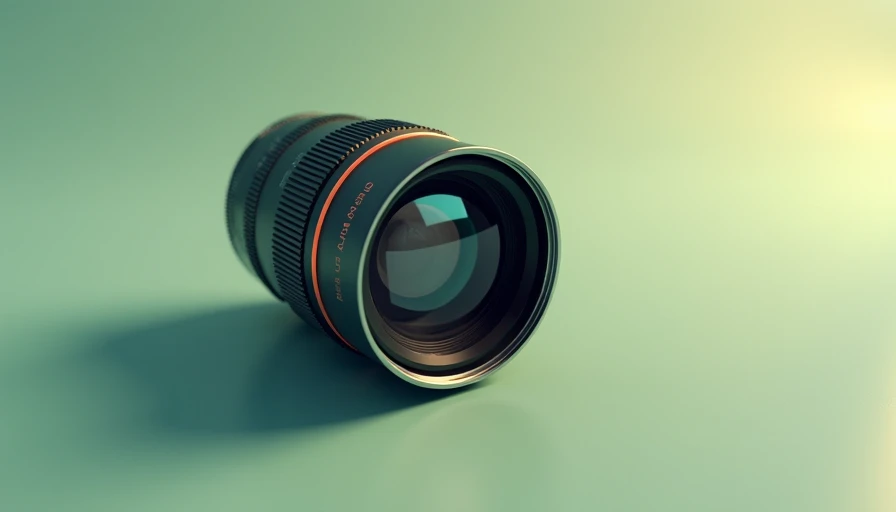
If you shoot APS-C mirrorless, sigma 18-50mm is one of those lenses that looks modest on paper and very sensible in a camera bag. It is a constant f/2.8 zoom for crop-sensor bodies, which means you get the same bright aperture all the way through the range instead of watching the lens get darker as you zoom. That matters more than people think. It helps in indoor light, it keeps backgrounds softer than a kit zoom, and it gives you a more predictable exposure when you are moving quickly. I like lenses like this because they solve real problems without asking you to carry a brick.
What the sigma 18-50mm gets right
On an APS-C camera, the sigma 18-50mm covers a useful range: wide enough for street scenes, office interiors, and group shots, then long enough for half-body portraits and casual detail work. The full-frame equivalent is roughly 27-75mm, so you are living in the classic everyday zoom zone. That is why the lens feels easy to recommend to a beginner who wants one lens to learn on, and also to an enthusiast who wants a lighter travel setup.
The other big win is size. This lens is small and light enough that it does not turn a mirrorless body into a hang-around-your-neck penalty. Around 290 grams is the kind of number you can actually feel after a long day. Sigma also kept the filter size practical, so adding a protector or a variable ND does not get expensive. In real use, the lens disappears in a good way. You reach for the camera more because it feels manageable.
What does that buy you in the frame? A little more subject separation than a slow kit zoom, and more flexibility when the light drops. I have used lenses like this on location work where I needed to move fast, shoot wide, then tighten the frame without changing lenses. That convenience is not glamorous, but it is what keeps a job moving.
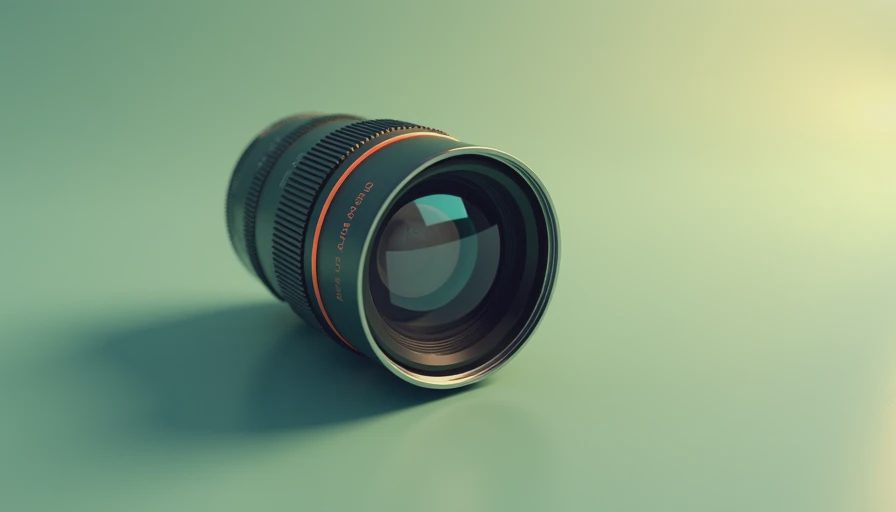
One thing to understand is that the sigma 18-50mm is not trying to be a professional all-purpose zoom for every mount. It is built for crop-sensor mirrorless systems, and that is the point. If you are using a Sony a6000-series body, a Fujifilm X camera, a Canon RF-S body, or an L-Mount APS-C setup, the design makes sense because the lens is tuned for a smaller image circle. That is how Sigma kept the lens compact without making the optics feel compromised.
The lens also earns points because it gives you a real fast-aperture experience without forcing you into the price tier of the larger f/2.8 zooms. A new copy often lands around the mid-$400 range, while used prices can drift lower depending on mount and condition. Compare that with many brand-name 16-55mm f/2.8 options that sit much higher, and the value proposition becomes obvious. You are not buying luxury metal and weather sealing here; you are buying a tool that gets out of the way.
Where it fits better than a kit lens
This is the part where a lot of shoppers overthink the decision. The sigma 18-50mm is most useful when your current lens is a slow kit zoom that feels fine outdoors and disappointing inside. A typical 16-50 or 18-55 kit lens can be perfectly good in daylight, but once the light gets dim, that variable aperture starts pushing your ISO up or your shutter speed down. That is when the constant f/2.8 aperture starts paying rent.
I would also choose this lens over a heavier pro zoom if your camera is meant to be carried, not photographed on a bench. There are excellent 16-55mm class zooms from Fuji and others, and they often have stronger build quality, weather sealing, or slightly different framing. But they also ask more from your shoulder and your budget. If you want an everyday lens that you will keep mounted because it feels effortless, sigma 18-50mm lands in a very useful middle ground.
In the field, that middle ground matters. For family photos in a living room, the extra stop or two over a kit lens can mean the difference between a clean 1/125 second and a blurry mess. For casual portraits, it helps keep the background from looking flat. For video, the small size and constant aperture are easy to work with, especially if you are building a compact body-and-lens combo for a cage or gimbal.
What to check before you buy
There are a few practical things to know before you click purchase. First, the lens does not have optical stabilization. If your camera has in-body stabilization, that softens the blow. If it does not, you will want to pay attention to shutter speed, especially near 50mm and in dim light. Second, this is not a wide-angle specialist. At 18mm, it is useful, but it will not replace a dedicated ultrawide if you shoot architecture, interiors, or dramatic landscapes.
Third, mount compatibility matters. Sigma sells the lens in several mirrorless versions, and the exact body you own determines whether it is a perfect fit. That sounds obvious, yet it is the mistake I see most often with first-time buyers. The lens should match the mount and the sensor format, not just the brand name on the camera.
If you are buying used, inspect the usual things: smooth zoom and focus action, clean glass, no haze or fungus, and no obvious impact marks around the barrel. Lenses like this often get sold because someone upgraded, not because the lens failed. That is good news for a buyer, because a clean used copy can be a smart way to save money without giving up much.

Who should skip it, and who should not
You should probably skip sigma 18-50mm if you need built-in stabilization because you often shoot handheld in very low light and your camera body does not have IBIS. You should also look elsewhere if you already own a lens that covers this range and gives you the rendering you want. Gear is only useful when it fills a real gap.
But if you are building a small, honest APS-C kit, this lens is easy to understand and easier to use. It is light enough to carry, bright enough to matter, and simple enough that you do not have to study a chart every time you leave the house. For a lot of photographers, that is the sweet spot. sigma 18-50mm is not the flashiest lens in the drawer, but it is the one that makes going out to shoot feel less like a production and more like a habit.
That is why I keep coming back to the same idea: the best camera is the one you understand. A lens like this helps because it is straightforward, predictable, and useful in the situations most of us actually photograph.