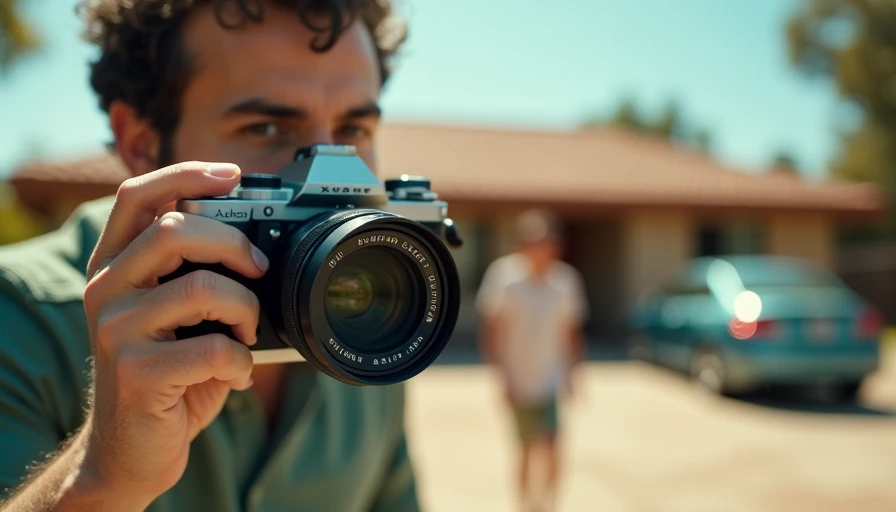
The olympus pen pen f is one of those cameras that rewards patience. It does not try to win with the largest sensor, fastest card slot, or longest specification sheet. Instead, it offers a compact body, direct controls, a built-in electronic viewfinder, and a shooting experience that encourages you to slow down. If you are considering one today, the important question is not whether it is new. It is whether its particular balance of size, image quality, and handling suits the way you actually photograph.
What the camera is
Released in 2016, the Olympus PEN-F uses a 20-megapixel Micro Four Thirds sensor. Micro Four Thirds is a mirrorless camera system with a sensor smaller than APS-C or full frame, but it has a large and mature lens catalog. You can pair the body with a tiny 17mm f/1.8 lens for street photography, a 45mm f/1.8 for portraits, or a zoom such as the 12-40mm f/2.8 PRO when you need flexibility.
The body is shaped like a rangefinder-style camera, meaning the viewfinder sits toward the left rather than directly above the lens. That layout keeps your face from covering the screen and feels natural when photographing people from a short distance. The olympus pen pen f also has a tilting rear touchscreen, a mode dial, exposure compensation dial, and a front Creative Dial for changing color and monochrome profiles.
The control layout is more meaningful than a list of buttons. Shutter speed, exposure compensation, and shooting mode are close to your fingers, so you can change the exposure while looking at the scene instead of diving into menus. The best camera is the one you understand, and this body makes that understanding relatively easy to build.
Image quality in real use
In good light, the olympus pen pen f produces detailed files with pleasant color and enough resolution for prints, portfolios, and ordinary commercial work. Its 20-megapixel sensor gives you room to crop, although it does not offer the same high-ISO flexibility as a current full-frame camera. I would happily use it outdoors, in museums, at family gatherings, and for travel work where keeping the kit small matters more than extreme shadow recovery.
The five-axis in-body image stabilization is one of its strongest practical features. Image stabilization helps reduce blur caused by your hand moving during a longer exposure. It cannot freeze a running child or a dancer, but it can help you make a sharp photograph at slower shutter speeds when your subject is still. That distinction matters more than impressive-sounding stabilization numbers.
The camera's color controls are unusually enjoyable. The front dial lets you work with a monochrome profile, color profile, or other processing options before you press the shutter. These settings do not replace a raw file, and I would still shoot raw when the scene matters. They do, however, make the camera feel more like a creative instrument than a small box that simply records exposures.
Autofocus, video, and handling limits
Autofocus is dependable for everyday subjects, especially when you use single-point focus or face detection in reasonable light. The olympus pen pen f is not the camera I would choose for fast sports, erratic birds, or demanding video autofocus. Its contrast-detection focusing system can feel less confident than the phase-detection systems found in newer cameras, particularly when a subject moves toward you.
Video is available, but this model is primarily a stills camera. If your work depends on high-end 4K footage, headphone monitoring, or modern subject tracking, look at a newer OM System or Panasonic body instead. That is not a criticism of the PEN-F so much as a reminder to buy for the job in front of you.
There is also no weather sealing. A light walk through mist is one thing; a full day in steady rain is another. I would use a small rain cover, keep a microfiber cloth in the bag, and avoid treating the camera as an outdoor tank. Its metal construction feels reassuring, but solid build quality is not the same as sealing against water and dust.
Buying a used olympus pen pen f
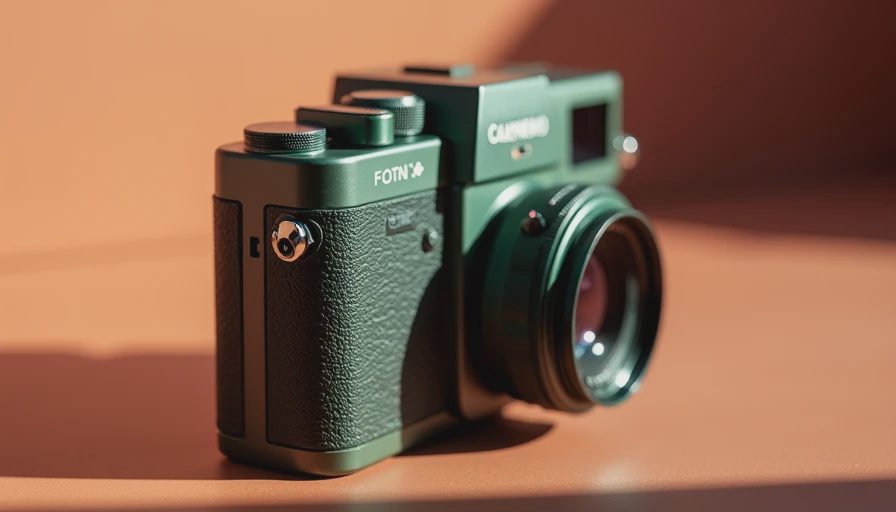
Because the camera is discontinued, condition matters more than the box or the original accessories. A used body often falls somewhere around $600 to $900 depending on condition, color, included accessories, and current demand. Prices change, so compare several listings rather than accepting the first attractive-looking example.
When inspecting one, check that the electronic viewfinder switches on cleanly and does not show persistent lines or discoloration. Test every dial, including the exposure compensation control and Creative Dial. Take a few photographs at different shutter speeds, then inspect the files for uneven sensor marks or unusual lines. A little dust is normal and can often be removed; repeated lines or dead pixels deserve a closer conversation with the seller.
Inspect the battery door, hot shoe, screen hinge, and tripod socket. Look for dents around the lens mount, since a hard impact can affect alignment even when the camera powers up. Ask how many batteries are included and whether the charger is genuine or compatible. The olympus pen pen f uses a small battery, so carrying one spare is sensible for a full day of travel.
Which lenses make sense?
A compact prime lens preserves the reason to buy this camera. The Olympus 17mm f/1.8 gives a field of view similar to a 34mm lens on full frame, making it useful for streets, interiors, and environmental portraits. The 25mm f/1.8 is a general-purpose choice with a more natural perspective, while the 45mm f/1.8 is a light, inexpensive portrait lens with attractive background separation.
For one-lens travel, the 12-45mm f/4 PRO is small and optically strong, though its slower aperture is less helpful indoors. The 12-40mm f/2.8 PRO gathers more light and focuses closely, but it makes the kit noticeably larger. With the olympus pen pen f, I would rather choose one lens that fits your actual walks than collect a shelf of glass you rarely carry.
Who should buy it?
The olympus pen pen f makes sense for a photographer who values tactile controls, a compact travel kit, pleasing JPEG color, and a camera that invites deliberate shooting. It is especially appealing if you enjoy street photography, portraits, family documentation, or personal projects where the process matters as much as the final file.
It is less suitable for serious video, rough weather, fast action, or photographers who routinely push files several stops in post-processing. A newer camera will usually give you better autofocus and battery technology. That does not make the older body obsolete. It simply means you should identify the limitation before spending your money.
My advice is simple: handle a used olympus pen pen f before buying if you can, test the controls, and pair it with one small lens first. If the camera disappears in your hands and makes you want to walk out and photograph, that is a more useful sign than any upgrade chart. Gear should reduce friction, not create another research project.