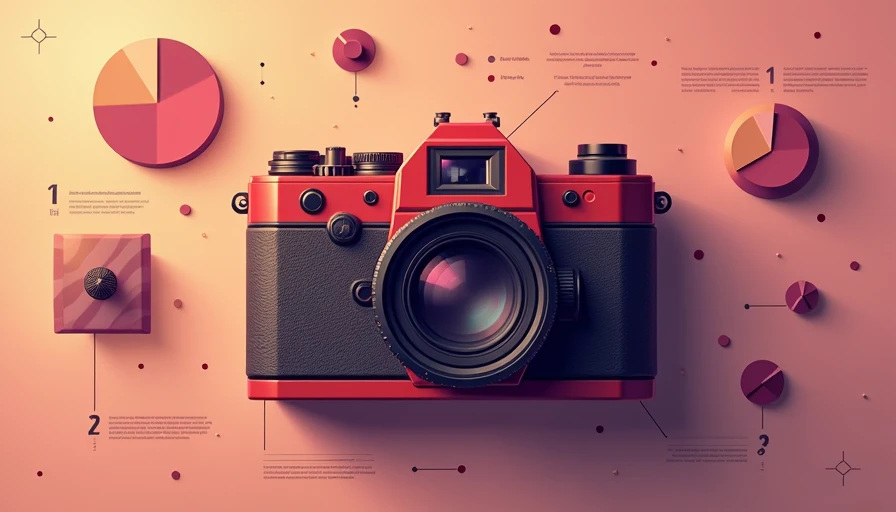
The pentax 17 is an unusual camera in a market full of increasingly similar digital bodies. It shoots 35mm film vertically, uses a fixed lens, and asks you to choose a focus zone rather than letting autofocus make every decision. That sounds restrictive until you spend an afternoon walking with it. Then the design starts to feel less like a list of omissions and more like a deliberate invitation to pay attention.
Ricoh Imaging introduced the pentax 17 as a modern half-frame film camera, and its appeal is easy to understand. Each standard 36-exposure roll produces roughly 72 vertical photographs. Film costs and processing still add up, but doubling the number of frames changes how casually you can shoot. You can photograph a storefront, a cup of coffee, or a friend laughing without feeling that every frame needs to justify itself.
What makes the Pentax 17 different
A half-frame camera exposes two images on each conventional 35mm frame. The pentax 17 therefore creates images that are taller than they are wide when held normally. The camera's 25mm lens gives a field of view similar to a roughly 37mm lens on a full-frame digital camera, so it sits between a classic 35mm documentary lens and a slightly wider everyday lens.
That perspective is useful for travel, street work, and casual portraits. You can include enough surroundings to explain where a person is, but you do not need to stand across the room to make a recognizable face. The vertical format also suits phone viewing and small prints. I found myself composing with doorways, lamp posts, and building edges more deliberately because the frame naturally encourages a portrait orientation.
The pentax 17 has a fixed-focus lens, built-in flash, optical viewfinder, and a straightforward film advance lever. Its exposure system handles much of the shutter and aperture decision-making, while the photographer still chooses the film speed and focus distance. This is not a camera for controlling every variable. It is a camera for making a few important choices and then looking at the scene.
Using the lens and focus zones
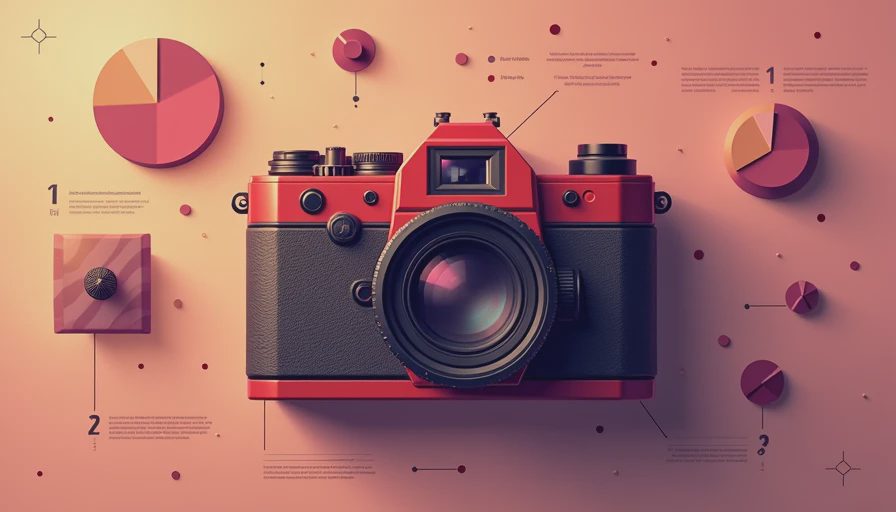
The lens is the heart of the pentax 17 experience. It does not zoom, and there is no autofocus system searching for a face or nearby object. Instead, icons represent approximate distances, including close subjects, medium distances, and farther scenes. You select the zone with a control around the lens, then compose through the viewfinder.
This approach is simple, but it rewards honest estimation. For a portrait at arm's length, choose the close setting. For a person across a café table, use a middle distance. For a street scene or landscape, select the far setting. The camera will not rescue an incorrect choice, but that limitation is also what makes the result feel connected to your decisions.
The 25mm lens is not designed to produce the dramatic background blur associated with a fast 50mm digital lens. In bright conditions, its moderate maximum aperture gives you enough separation for a portrait, but the pentax 17 is better at showing a person in a place than isolating them against creamy blur. That is a strength if you enjoy environmental storytelling and a limitation if shallow depth of field is your main reason for shooting film.
Exposure, flash, and everyday handling
The pentax 17 uses automatic exposure, which means it meters the available light and selects settings within its operating range. You still need to notice harsh backlight, very dark rooms, and scenes with bright windows. Automatic exposure is helpful, not magical. In ordinary daylight and open shade, it lets you concentrate on timing and framing.
The built-in flash is useful for close subjects in dim interiors, evening snapshots, and direct-fill effects outdoors. It is not a substitute for a large off-camera light, and its range is limited by the small size of the camera. I would treat it as a creative tool rather than an emergency feature. A flash-lit portrait against a dark bar wall can look intentional; a subject standing too far away will simply look underexposed.
In hand, the body feels more substantial than a disposable camera but less demanding than a professional SLR. The controls are approachable, although the small viewfinder and zone markings require a little practice. The pentax 17 is also quiet enough for ordinary street use, though the mechanical advance and shutter still remind you that you are operating a film camera rather than a phone.

Who should buy the Pentax 17
The pentax 17 makes sense for a photographer who wants film's slower rhythm without carrying a vintage camera of uncertain condition. It is especially appealing to beginners who want physical controls but do not want to learn aperture, shutter speed, metering, and interchangeable lenses all at once. It also suits experienced digital photographers looking for a small second camera with a distinct point of view.
It is less convincing for someone who already owns a reliable compact film camera, needs autofocus for fast-moving subjects, or wants interchangeable lenses. A used Olympus XA, Canonet, or compact SLR can offer different handling and sometimes more control, though condition and repair history become part of the purchase. The pentax 17's advantage is being new, supported, and designed around a coherent experience rather than assembled from decades-old parts.
Before buying, budget for film and development. A roll, processing, and scans can easily turn an inexpensive-looking afternoon into a meaningful expense. That is not a reason to avoid the camera. It is a reason to decide what you actually want to photograph. If you make 72 frames of a single weekend and keep 12 photographs you love, the camera has done something valuable.
Pentax 17 versus a digital compact
A small digital camera gives you instant review, reusable storage, and no per-frame development cost. The pentax 17 gives you delayed feedback, visible grain, and a stronger separation between making a photograph and evaluating it. Neither workflow is morally better. They encourage different behavior.
With a digital compact, I often make several nearly identical frames and choose later. With the pentax 17, I pay more attention before pressing the shutter. The half-frame format softens the financial pressure, but it does not remove the need to notice light. That combination makes the camera feel playful without being careless.
If you want clean files, fast autofocus, and dependable results at night, buy a digital compact or interchangeable-lens camera. If you want a physical routine, vertical compositions, and the surprise of seeing your choices after development, the pentax 17 offers a clear reason to exist. Its value is not hidden in a spectacular specification. It is in the way the restrictions shape your attention.
Final thoughts on the Pentax 17
The pentax 17 is not a replacement for every film camera, and it does not need to be. Its fixed lens, zone focus, automatic exposure, vertical half-frame format, and built-in flash form a specific package. Learn those choices and the camera becomes quick, friendly, and surprisingly expressive.
My advice is to begin with one roll of affordable color negative film and photograph ordinary things: a morning walk, a market, a friend at lunch, or the light in your own hallway. Mark the focus zone you used if you are still learning, then study the results after scanning. You will quickly see where your estimates and exposure choices worked.
The best camera is the one you understand. The pentax 17 rewards that understanding not with endless options, but with a small set of decisions you can make confidently. For a beginner or a digital photographer wanting a more deliberate side path, that is a compelling reason to carry it.