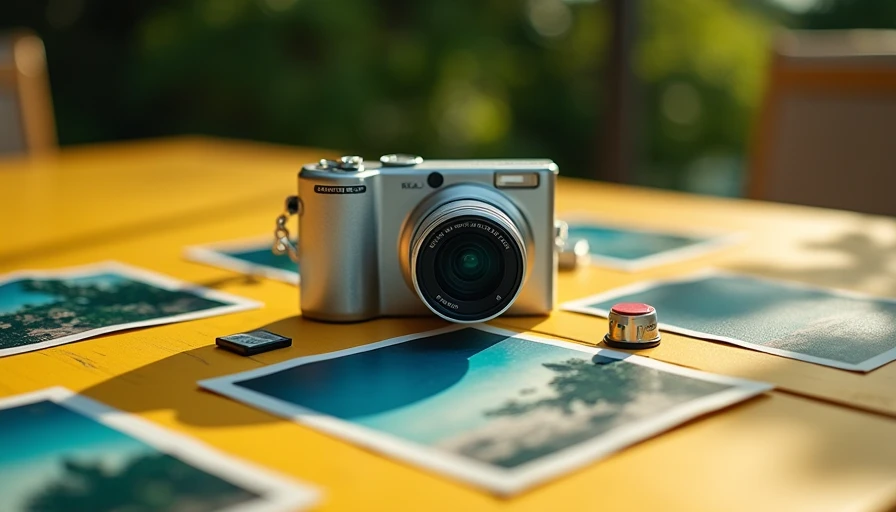
The casio exilim zoom ex-z700 digital camera belongs to an era when a pocket camera was genuinely pocket-sized, simple to operate, and designed to be carried everywhere. Released in the mid-2000s, it is not a modern replacement for a Sony RX100, Canon PowerShot G7 X, or current smartphone. It is a compact 7.2-megapixel camera with a particular look, a tactile shooting experience, and the appeal of a device that does one job without notifications. The best camera is the one you understand, and this little Casio is easy to understand.
What the EX-Z700 actually offers
The casio exilim zoom ex-z700 digital camera uses a 7.2-megapixel CCD sensor and a 3x optical zoom lens. In practical terms, that gives you enough resolution for small prints, online galleries, and casual crops, while the zoom range is useful for travel snapshots, portraits, and street scenes. Optical zoom changes the lens magnification; it is much more useful than digital zoom, which simply enlarges pixels and usually makes detail look soft.
The lens covers a modest wide-to-short-telephoto range, approximately equivalent to 38–114mm on a 35mm camera. The wide end is fine for one or two people and ordinary room interiors, but it is not especially wide by current standards. You will often need to step backward for a group photo. At the telephoto end, faces become more flattering and distant details are easier to frame, although camera shake becomes more noticeable.
A 2.7-inch LCD handles framing and playback. There is no viewfinder, so bright sunlight can make composition harder. The camera is slim, light, and built around automatic exposure modes rather than extensive manual control. That limitation is also its charm: you select a mode, compose, press the shutter, and keep moving.

Image quality in real use
The casio exilim zoom ex-z700 digital camera performs best in daylight. Outdoors, the CCD sensor can produce files with crisp color and a slightly distinctive compact-camera character. Foliage, painted walls, signage, and bright clothing can look lively without requiring extensive editing. At low ISO settings, a well-lit subject can still make a pleasant 4-by-6-inch print.
Indoors, expectations need to be realistic. Small sensors collect less light than the larger sensors used in interchangeable-lens cameras, so noise and smearing appear sooner when the light falls. The built-in flash helps with a nearby subject, but it creates the direct, unmistakable snapshot look associated with old point-and-shoot cameras. That is not automatically a flaw. For a party, a motel room, or a late-night walk, the hard flash can be part of the visual language.
The camera also has limited control over depth of field. You will not get the heavily blurred backgrounds common from a fast mirrorless lens. Instead, much of the scene stays recognizable, which suits travel diaries and documentary-style photographs. If you want creamy background separation, this is the wrong tool; if you want the whole moment legible, it can be surprisingly satisfying.
Battery, storage, and age-related concerns
A used casio exilim zoom ex-z700 digital camera should be evaluated as an older electronic device, not simply as a cheap camera. Battery condition matters first. The original rechargeable lithium-ion battery may hold less charge after years in storage, and replacement batteries can vary in quality. A fresh compatible battery is usually inexpensive, but confirm that the charger or charging cradle is included before buying.
Storage is another practical issue. This generation commonly used removable flash media rather than modern UHS-II SD cards, so verify the exact card type supported by the individual listing. A seller who includes a working card saves you an extra search. Also check whether the camera has its proprietary USB cable; replacement cables are less universal than standard USB-C leads.
Test every physical control. The power button should respond immediately, the lens should extend without grinding, and the zoom rocker should move smoothly. Inspect the battery compartment for corrosion, especially if the camera has been stored in a humid place. Open and close the card and port covers gently. Brittle plastic tabs are harder to replace than a scratched exterior.

A simple buying inspection
When a casio exilim zoom ex-z700 digital camera arrives, begin with a fully charged battery and a memory card. Take a photograph at the wide end, then zoom in and take another. Review both files at maximum playback magnification. Look for a dark spot that stays in the same position, which could indicate dust or sensor damage, and watch for horizontal lines, colored bands, or sections of the image that fail to record.
Try the flash, self-timer, macro setting, playback controls, and movie mode. Make a short video and listen for unusual mechanical noise from the lens. Connect the camera to a computer if possible, then copy a file to confirm that the card and cable work. Check the LCD for dead areas or severe discoloration. A few surface marks are normal on a camera this old; missing pixels, battery swelling, or a lens that will not retract are much more serious.
Ask for a clear photo of the serial label and the battery compartment, but do not treat a tidy exterior as proof of perfect operation. A camera can look nearly new and still have a tired battery or failing zoom motor. Buyer protection on a reputable marketplace is worth paying a little more for than an untested bargain.
How it compares with a phone and modern compact
The casio exilim zoom ex-z700 digital camera will not beat a current phone in computational HDR, night mode, autofocus tracking, or convenience. A modern phone also makes sharing immediate. The Casio wins in a different way: it creates a separate photographic object, has real optical zoom, and keeps the experience away from a bright multitasking screen.
Against a modern premium compact, the tradeoff is clearer. A Sony RX100 VII or Canon PowerShot G5 X Mark II offers a larger sensor, faster lens, stronger autofocus, and much better low-light performance, but those cameras cost considerably more on the used market. The EX-Z700 is inexpensive enough to carry without anxiety. It is a good choice for a beach walk, a school project, a vacation backup, or anyone who wants early-digital color without investing in a collector-grade model.
Do not buy it expecting professional reliability or contemporary speed. Buy it because the limitations encourage attention to light, distance, and timing. Those lessons remain useful with any camera.
Who should buy it?
The casio exilim zoom ex-z700 digital camera makes sense for a beginner who wants physical controls and straightforward files, a photographer exploring early-digital aesthetics, or a traveler who enjoys using an older tool. It can also be a thoughtful gift for someone who prefers simple devices to complicated menus. Its small size makes it easier to bring along than a mirrorless kit, which matters more than a specification sheet admits.
Skip it when you need dependable low-light work, fast moving-subject autofocus, wireless transfer, or large exhibition prints. In those situations, even an older interchangeable-lens camera will provide more room to grow. Before purchasing, compare the total cost of the camera, battery, charger, and storage card. A $35 body can become a $70 setup quickly, while a tested bundle at $60 may be the better value.
My recommendation is modest but positive: buy a tested example, favor a returnable listing, and treat it as a creative compact rather than a modern performance camera. Learn how its flash behaves, notice where its lens looks strongest, and work within its limits. That is where the casio exilim zoom ex-z700 digital camera becomes interesting—not as a substitute for today's best gear, but as a small, honest camera with a look of its own.