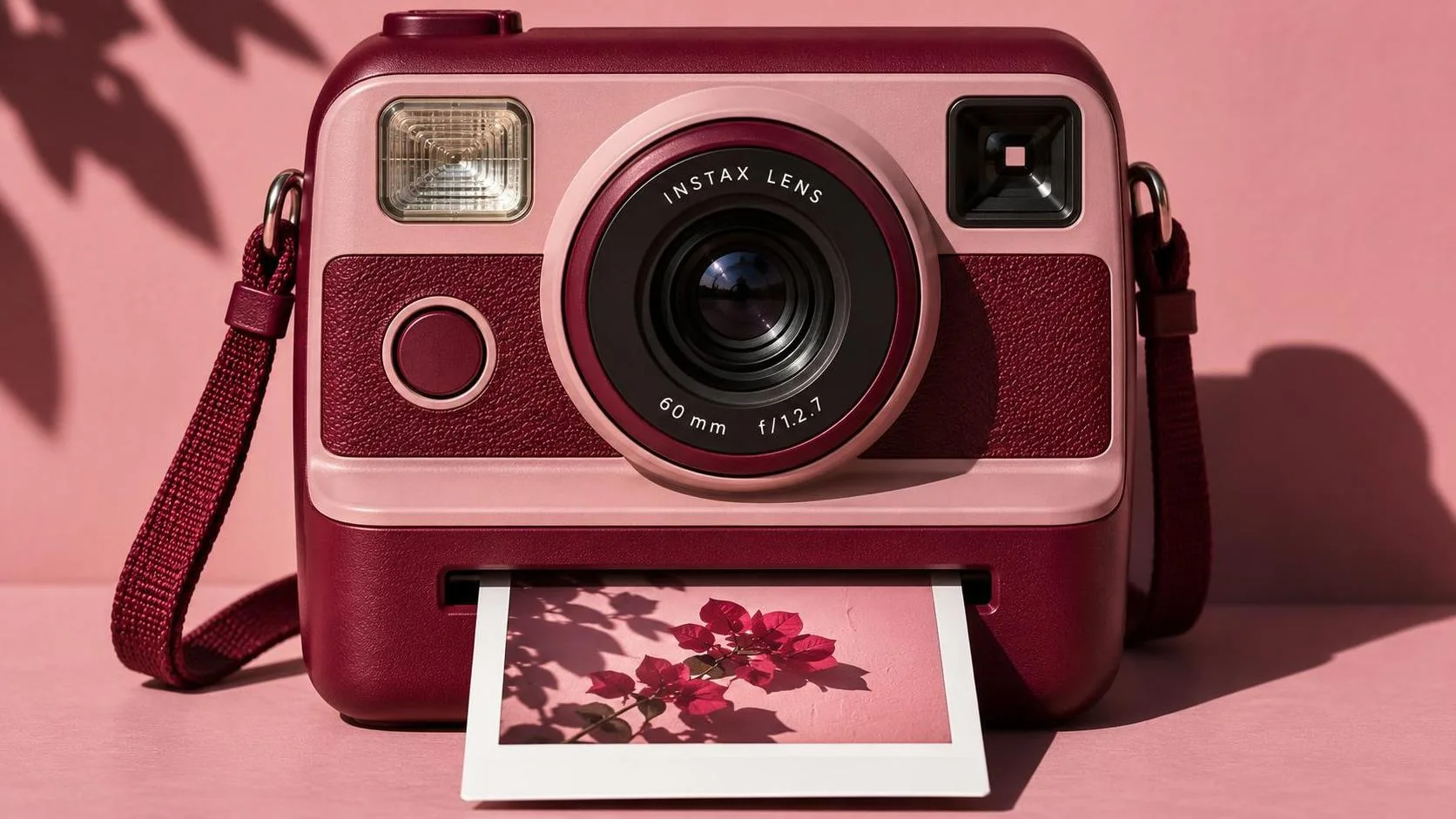
The polaroid flip instant camera is the sort of object that makes people stop talking about megapixels. It is a folding instant camera with a large, distinctive body, a built-in flash, and a simple promise: press the shutter, wait a little, and hold a physical photograph. That promise is more important than its specifications. If you are comparing one with a modern mirrorless body or a smartphone, you are not choosing the same kind of tool.
I have spent enough time testing cameras to separate useful engineering from attractive marketing. With this camera, the useful question is not whether it produces the sharpest possible image. It does not. The useful question is whether its handling, film format, and imperfect rendering fit the way you actually want to photograph.
What the camera is designed to do
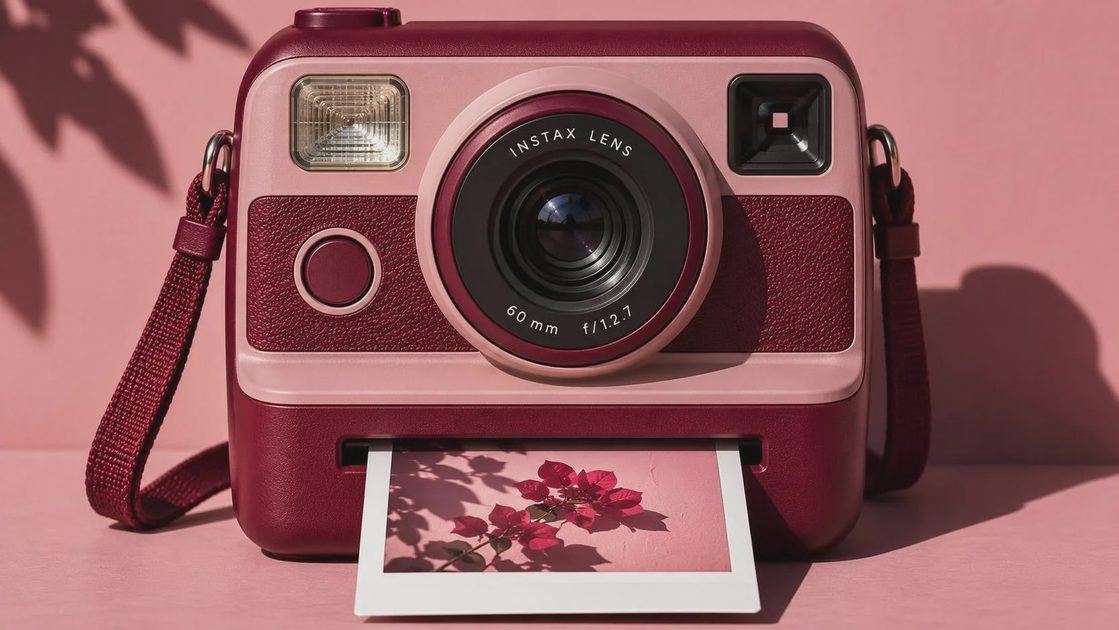
The polaroid flip instant camera uses a folding design to make a large instant camera easier to carry and protect when it is closed. Opening the front activates the camera, while closing it helps shield the lens and makes the body less awkward in a bag. That folding action is part of the experience, not merely decoration. It gives you a small pause before taking a picture, which is often enough to make you consider the frame instead of firing continuously.
Its large viewfinder helps you compose without relying on a rear screen. The built-in flash is useful indoors, at evening gatherings, and in rooms where natural light is weak. Instant film is sensitive to temperature and exposure, so the camera will not behave like a phone that quietly corrects every problem. Bright windows, deep shadows, and subjects standing too close to the flash can all produce surprises.
The camera is best understood as a social and observational device. It rewards portraits, travel moments, dinner-table photographs, and small visual records that you can hand to somebody immediately. It is less suitable for sports, carefully controlled product work, or any situation where you need a duplicate digital file and predictable color.
Film, exposure, and the cost of each frame
The biggest ownership decision is not the camera body. It is the film. Polaroid i-Type film is generally the economical choice when using a compatible camera with a built-in rechargeable battery, while Polaroid 600 film includes a battery in each pack for older 600-series cameras. Confirm compatibility before ordering, because the wrong film can turn an inexpensive-looking purchase into a frustrating one.
A pack commonly contains eight exposures, and prices often land around $15 to $20 depending on the retailer, color or black-and-white stock, and any sale. That puts each frame at roughly $2 before shipping. The number is high compared with digital photography, but it changes how you shoot. You begin asking whether a photo deserves one of eight exposures rather than taking forty nearly identical frames.
Film also needs sensible storage. Keep unopened packs cool and dry, allow refrigerated film to return to room temperature before loading, and avoid leaving loaded film in a hot car. During development, protect the photograph from bright light and give it time to finish. The result can shift slightly from frame to frame, which is part of the medium's character but also a reason not to use it for irreplaceable documentation.
How it handles in real photographs
In use, the polaroid flip instant camera feels deliberate rather than fast. The body is substantial, and the folding front gives your hands a clear sequence: open, frame, focus attention on the subject, and press the shutter. That rhythm works beautifully at a picnic or a small party. People tend to look at the camera, then at the developing image, which creates a natural reason to keep talking.
The wide lens is forgiving for groups and environmental portraits, but it can exaggerate faces at the edges if you stand too close. I would step back and leave a little space around the subject rather than filling the frame immediately. In dim light, use the flash and keep your subject within a reasonable distance. Flash photographs can look direct and slightly theatrical, which is often exactly the charm people want from an instant print.
Do not expect the camera to rescue poor composition. The lens is fixed, so you cannot zoom into a distant detail or switch to a longer focal length for flattering compression. Move your feet. Look for uncluttered backgrounds. Check where bright lamps and windows sit in the frame. Those habits will improve your results more than buying another accessory.
Polaroid flip instant camera versus a digital camera
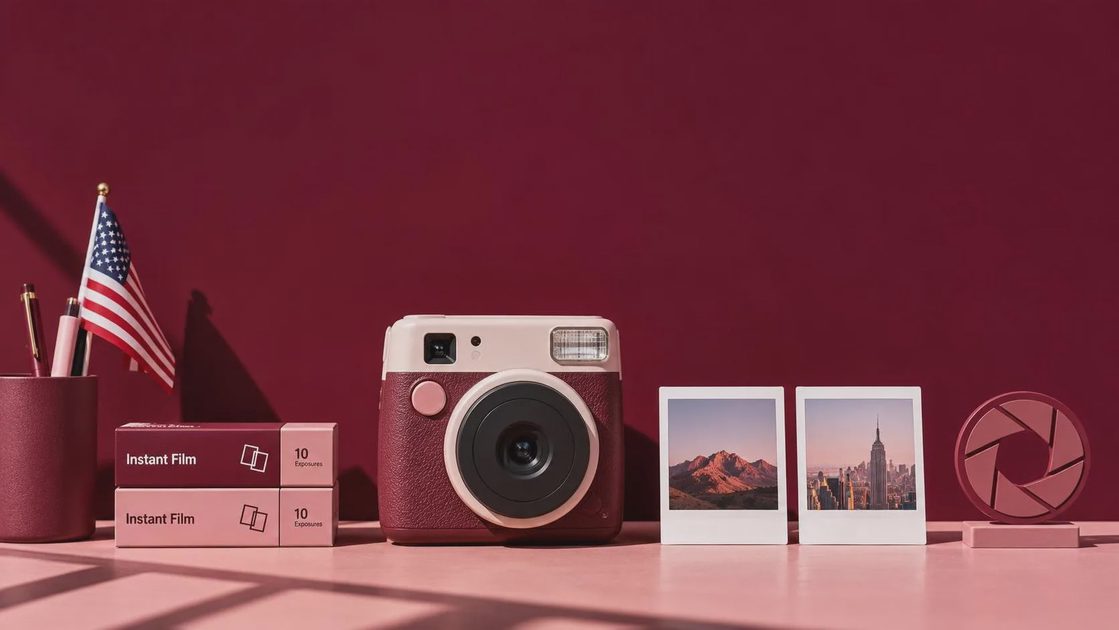
A phone wins on convenience, storage, autofocus assistance, and sharing. An entry-level digital camera wins on repeatability, image quality, and the ability to edit exposure later. The polaroid flip instant camera wins on presence. It creates an object that exists outside the screen, and it gives the subject something to hold within minutes.
That difference matters at gatherings. A phone image can disappear into a group chat, while an instant print may end up on a refrigerator or inside a wallet. You also become more intentional because film has a real cost. For a beginner, that constraint can teach exposure and composition in a surprisingly direct way: a bright background can wash out a face, a nearby flash can flatten a scene, and a small change in position can improve the entire frame.
The tradeoff is that every mistake is permanent. There is no histogram, instant replay, or undo button. If you need a dependable archive, use a digital camera or phone alongside the instant camera rather than treating the print as your only record.
Who should buy it
This camera makes sense for someone who values physical photographs, enjoys a slower pace, and accepts variation as part of the result. It is particularly appealing for travel journals, informal portraits, creative workshops, weddings where guests can make a memory wall, and photographers who want to break a habit of endlessly reviewing screens.
It is a weaker choice if your main priority is low running cost, compact pocket size, rapid focusing, or clean images in difficult light. The camera body is not truly tiny once film is loaded, and carrying several packs can become expensive. A small digital camera will be easier for hiking, while a phone is usually better for spontaneous documentation in rain or crowded spaces.
Before buying, budget for at least two film packs, not just the camera. Practice with ordinary scenes rather than saving the first pack for an important event. Learn how far the flash reaches, how long prints take to develop, and how much space you need around a group. A little familiarity prevents the common disappointment of wasting the first few exposures.
A sensible buying checklist
Look for a return policy, confirm the exact film type, and inspect whether the folding mechanism closes firmly. If buying used, ask about battery charging, flash operation, rollers, lens condition, and signs of leaking film chemistry. The camera should open and close smoothly without excessive looseness. Test a pack before trusting it at a wedding, trip, or family gathering.
Accessories should stay simple. A protective case, spare film, and a small album are more useful than a collection of novelty filters. Keep the camera accessible, because a device buried under three lenses will not be used. The best camera is the one you understand, and this one becomes more enjoyable once you accept its limits instead of fighting them.
The polaroid flip instant camera is not a replacement for a mirrorless camera or a phone. It is a different agreement with photography: fewer frames, more patience, and a tangible result. If that sounds appealing, it can become a wonderfully memorable companion. If you need efficiency and control, spend the film budget on digital storage or a better lens instead.