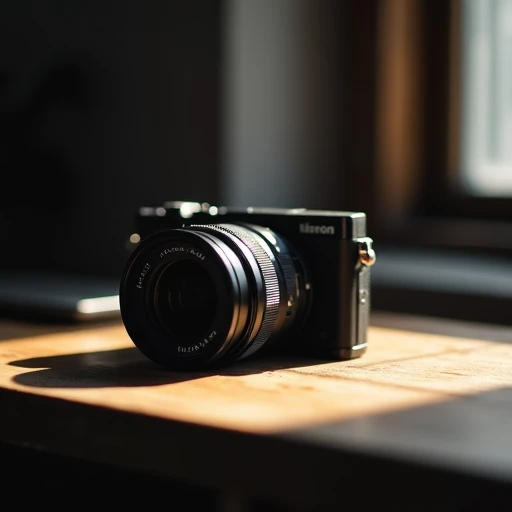
A lot of people buy a high-resolution camera and then decide the sensor is too demanding.
The files look soft. The noise shows up earlier than expected. Small focusing errors become obvious. So they conclude that 45 megapixels was a mistake.
In most cases the sensor is not the problem. The light is.
I want to unpack why higher megapixel counts expose weaknesses that were already there, and what actually fixes the photographs.
What higher resolution really does
A 45-megapixel sensor records finer detail than a 24-megapixel sensor when everything else is equal. That is the entire advantage. It does not create detail that was never present in the light reaching the lens. It simply samples the existing image more densely.
If the light is soft, directional, and sufficient, the extra resolution can show elegant texture and clean edges. If the light is flat, dim, or poorly placed, the extra resolution shows the softness, the noise, and the lack of shape more clearly than a lower-resolution sensor would have.
In other words, the 45-megapixel file is a more honest report of the conditions you gave it. Many people mistake that honesty for a flaw in the camera.
Where the complaints usually come from
Softness
People pixel-peep and see less micro-contrast than they expected. Most of the time the lens is being asked to resolve detail it was not optimized for at the aperture they chose, or there is slight camera movement, or the focus plane is not exactly where they thought. A lower-resolution sensor often hides these small errors. The higher-resolution sensor does not.
Noise
Smaller pixels (the usual result of packing more of them onto the same sensor size) collect less light each. In dim conditions the files degrade sooner. This is real. It is also not unique to 45-megapixel cameras—any sensor will show noise when the light is insufficient. The higher-resolution file simply makes the noise harder to ignore when you zoom in.
Dynamic range worries
Some photographers believe high-megapixel sensors have less dynamic range. In controlled tests the difference is usually small. What changes is how visible the compromises become when you underexpose to protect highlights and then push the shadows. Again, the sensor is reporting the light you gave it more precisely.
The variable that matters more
Light quality and quantity determine more about the final file than the megapixel count does.
Hard, directional light with clean shadows and sufficient intensity will make a 24-megapixel camera look crisp and a 45-megapixel camera look detailed. Flat, weak, or poorly placed light will make both look ordinary—the higher-resolution file just shows the ordinariness at a larger size.
I have watched this repeatedly on jobs. The same 45-megapixel body that feels “too sharp and unforgiving” in flat office light produces elegant files the moment we move the subject near a large window or add a single well-placed source. The camera did not change. The light did.

Practical ways to make high resolution work for you
Expose carefully. Higher-resolution sensors reward precise exposure more than they forgive heavy under-exposure.
Use lenses that can actually resolve the detail. A modest kit zoom pushed wide open will often be the limiting factor, not the sensor.
Stabilize when it matters. Small amounts of camera movement become visible sooner.
Stop treating 100% magnification on a large monitor as the primary way to judge a file. Most photographs are viewed much smaller.
Improve the light before you blame the camera. Move the subject, wait for better ambient light, or add one simple source.
None of these steps require selling the camera.
When high resolution is genuinely the wrong tool
If you shoot in very low light without the option to add illumination, if you need to hand-hold at slow shutter speeds frequently, or if your final output is almost always small-screen viewing, a more moderate megapixel count can be more practical. That is a legitimate choice. It is still not evidence that 45 megapixels is inherently flawed.
The sensor is a recording device. It records the light you provide and the optical image the lens delivers. When the results disappoint, the first place to look is usually the light, then the lens and technique, and only after that the specification sheet.
The best camera is the one you understand. Understanding a high-resolution sensor includes knowing that it will not hide the conditions you give it. That is a feature, not a defect.