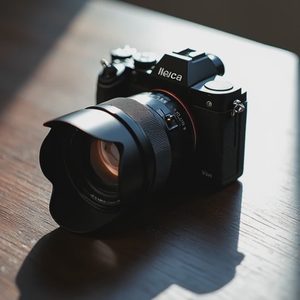
sony 24-70 gm ii review: what it does better than the original
sony 24-70 gm ii review for real-world shooters: lighter than the original, fast to focus, sharp wide open, and pricey but hard to beat on Sony E-mount.
Category
Patient, no-pressure buying guidance broken down by budget and real use cases — teaching you when to buy and when to wait.
sony 24-70 gm ii review for real-world shooters: lighter than the original, fast to focus, sharp wide open, and pricey but hard to beat on Sony E-mount.
Sigma 150-600mm buying guide for wildlife, sports, and travel shooters, with clear notes on sharpness, autofocus, handling, and used prices in 2025.
Buying used camera gear is a practical way to save money, yet it often causes anxiety over hidden flaws or worn components. This article cuts through common myths by explaining what actually matters when inspecting used bodies and lenses, from shutter counts to glass condition. It provides a straightforward framework to evaluate risks, navigate purchases safely, and recognize that cosmetic wear rarely affects performance. Ultimately, it reassures photographers that smart used buying leads to reliable tools without overspending.
In this personal Buyer’s Bench piece, Ingrid Sterling recounts two camera purchases that taught her more about decision-making than about image quality. One high-resolution full-frame body looked perfect on paper but added weight, friction, and second-guessing on long jobs; she eventually sold it. The other, a lighter, slightly older used camera, remains her daily workhorse because it disappears in use. The essay argues that real limitations—not specification sheets—should drive upgrades, and that the best camera is the one that stays out of the way while you work.
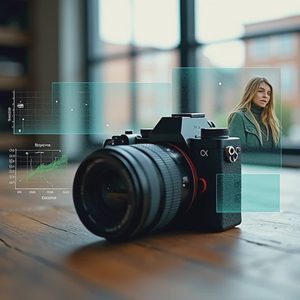
A high-impact, artistic cover photo for an article titled "Why I Write About Cameras." The central element is a modern professional camera (mirrorless, black finish) sitting on a reclaimed wooden table. The camera is angled slightly, with its lens cap off. Behind and around the camera, the air is filled with translucent, semi-transparent overlays of diagrams and photographs. On one side, there are subtle graphs of dynamic range and MTF charts, rendered in a soft, blue-green hue. On the other side, there are ghosted, double-exposure-style images of real-world scenes: a street portrait and a landscape shot, with warmer tones. The entire composition is layered and complex but harmonious, symbolizing the fusion of engineering rigor and artistic application. The overall lighting is natural window light, giving it a premium, magazine-feature quality. No text overlay needed on the image itself.
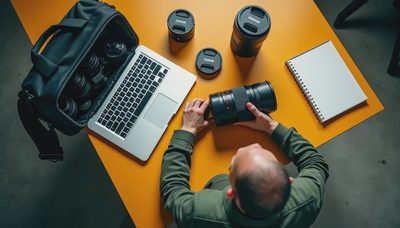
This article addresses the common urge to upgrade camera equipment, arguing that most photographers do not actually need a new body. Instead, they need a deeper understanding of their current gear and lighting. The author outlines specific, measurable scenarios where an upgrade is justified—such as severe low-light limitations or ergonomic failures. Ultimately, the guide encourages photographers to focus on skill and deliberate practice over consumerism and specification sheets.
This article presents a practical, budget-friendly $800 camera setup that handles 90% of everyday photography needs, including travel, street, and casual portraits. Rather than chasing expensive, top-tier full-frame gear, it advocates for a reliable used APS-C mirrorless body paired with a versatile zoom and a fast prime lens. The guide emphasizes that understanding your current equipment and lighting matters far more than endless upgrades, helping photographers achieve professional results without overspending.
This article cuts through the endless debate between full-frame and APS-C camera formats, arguing that neither is universally superior. Instead, each sensor size involves specific trade-offs regarding low-light performance, depth of field, weight, size, and cost. By examining real-world professional requirements rather than abstract technical specs, the author encourages photographers to choose the format that aligns with their actual shooting habits and practical needs.